Why Disney Preemptively Caved to China to Protect Toy Story 5 Box Office

The relationship between Hollywood and the international box office has always been a high-stakes tightrope walk, but no media conglomerate understands the fragility of that rope better than The Walt Disney Company. In the hyper-competitive entertainment landscape of 2026, a single geopolitical misstep can cost a studio hundreds of millions of dollars in theatrical revenue before a movie even hits screens.

This harsh reality took center stage recently following a quiet yet explosive controversy involving Pixar’s Chief Creative Officer, Pete Docter, and Tibet’s exiled spiritual leader, the Dalai Lama.
With the highly anticipated global release of Toy Story 5 just days away, reports surfaced that Disney directly intervened in a Hollywood cultural delegation’s trip to India. The goal? To prevent a meeting that could have completely derailed the film’s theatrical release in mainland China. While early internet rumors hinted at an official ultimatum or aggressive threats from Beijing distributors, the truth is far more telling about the state of modern cinema: Disney never received an explicit warning. Instead, the House of Mouse acted out of pure, preemptive panic—terrified of angering the Chinese government at a time when Pixar simply cannot afford to lose a goldmine.
The Indian Delegation and the Sudden Flight Home
The controversy began during an official Hollywood creative delegation trip to India. The group featured high-profile industry names, including Wonder Woman director Patty Jenkins and veteran writer-producer David S. Goyer. Also among the ranks was Pete Docter—the creative visionary behind Pixar masterpieces like Up, Inside Out, and Soul.

Part of the casual itinerary included a private meet-and-greet with the Dalai Lama. While such a meeting sounds like a benign cultural exchange to Western audiences, it represents an absolute political red line for the Chinese Communist Party (CCP). Beijing views the Dalai Lama as a dangerous separatist, and the Chinese government routinely penalizes global brands, celebrities, and media corporations that grant him an official audience.
When corporate leadership back in Burbank realized where Docter was and what was on the schedule, the internal alarms went off. Docter was apparently unaware of—or underestimated—the extreme political sensitivities surrounding the spiritual leader.

Contrary to early, sensationalized internet reports, no phone calls or threatening letters had crossed the Pacific from Chinese film officials. In fact, a Disney source confirmed that Beijing authorities weren’t even aware the trip was happening. But the mere possibility of China finding out was enough to send Disney executives into an absolute tailspin.
Executives quickly “educated” the Pixar CCO on the geopolitical stakes. To eliminate any risk of a future blacklisting, Docter and his wife abruptly skipped the scheduled sit-down, split from the rest of the Hollywood delegation, and caught the first flight back to the United States.
The Ghost of Kundun: Why Disney Is Wired to Fear China
To understand why Disney panicked so intensely over a meeting that hadn’t even occurred yet, you have to look back at the company’s tumultuous history with China. Disney’s corporate memory is long, and the company is still haunted by a 1997 disaster that nearly ruined its international ambitions.
“I’m old enough to remember Kundun, the 1997 Martin Scorsese movie about the Dalai Lama, which got Disney all but banned in China.” — Industry Insider
Back in 1997, Disney distributed Scorsese’s biographical film Kundun, which directly depicted the Chinese takeover of Tibet. The Chinese government retaliated fiercely, banning all Disney films, pulling Disney cartoons from television networks, and halting all future business negotiations.
The corporate fallout was devastating. It took years of diplomatic maneuvering and a highly publicized, groveling apology from then-CEO Michael Eisner—who went on record calling the creation of Kundun a “stupid mistake”—to mend the relationship. That apology eventually smoothed the waters, opening the door for the construction of the multi-billion-dollar Shanghai Disneyland Resort.
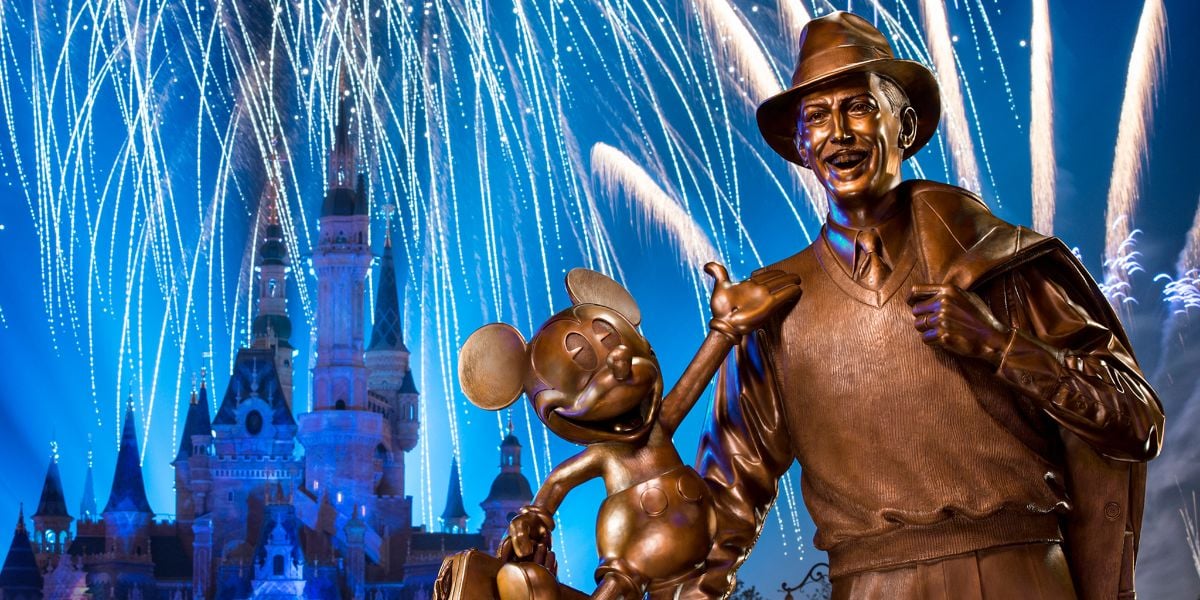
With billions now permanently invested in Chinese tourism and entertainment infrastructure, Disney’s modern executive suite has developed an advanced case of hyper-vigilance. They don’t need an explicit warning from a distributor to fall in line; their own internal radar tells them exactly when to bow out.
The Financial Reality: The Monster Shadow of Zootopia 2
The historic, record-breaking performance of another recent Disney sequel further amplifies the urgency to protect Toy Story 5. Just a few months ago, Zootopia 2 wrapped up an absolute juggernaut theatrical run in China, completely rewriting the history books for foreign animation.
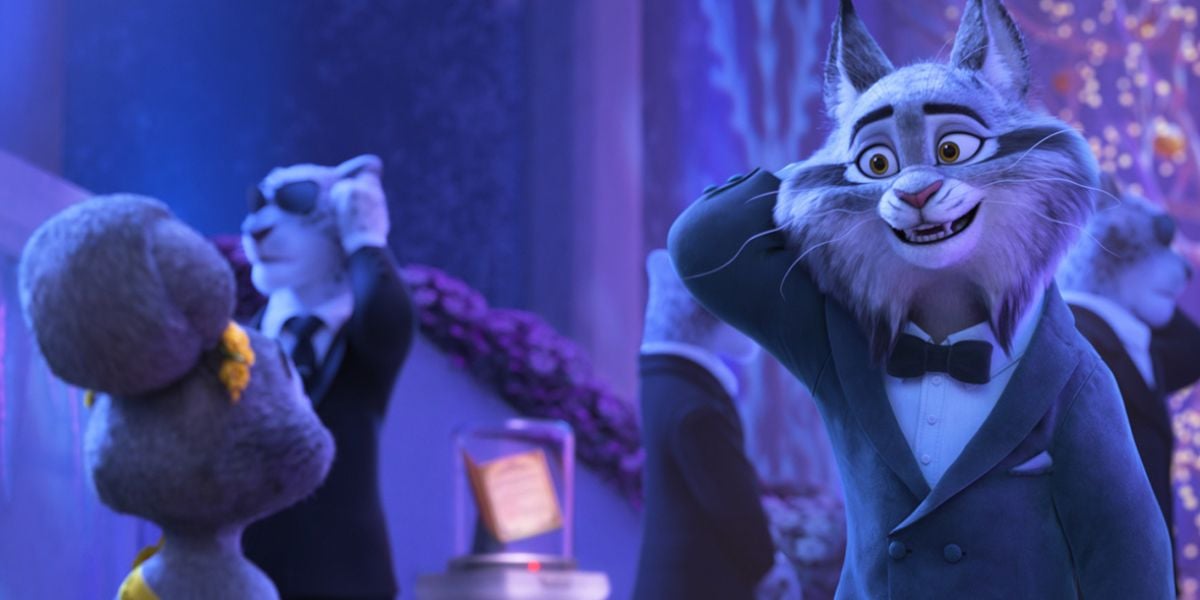
The unprecedented success of Zootopia 2 proved to Disney shareholders that China is not a declining market for Hollywood animation—it is a goldmine. Producing a flagship Pixar sequel like Toy Story 5 is an astronomically expensive endeavor, with production and marketing budgets regularly eclipsing $300 million. To ensure profitability, these movies require a flawless international rollout.
If Toy Story 5 can replicate even a fraction of Zootopia 2’s massive Chinese footprint, it guarantees a financial home run for Pixar. Conversely, losing access to China due to a self-inflicted political controversy would immediately put the film in a dangerous financial hole before the first ticket is sold.
Preemptive Compliance: The New Normal in Modern Hollywood
Pete Docter’s quick exit from India illustrates a sobering reality of the modern entertainment ecosystem: explicit censorship from foreign governments is no longer the primary barrier for creative companies. Instead, it is preemptive compliance fueled by corporate anxiety.
By pulling its top Pixar executive away from the Dalai Lama before any complaints were ever made, Disney chose to self-censor to preserve its lucrative relationship with Chinese moviegoers. While critics on social media have labeled the move an act of corporate cowardice, for Disney, it was simply basic math.
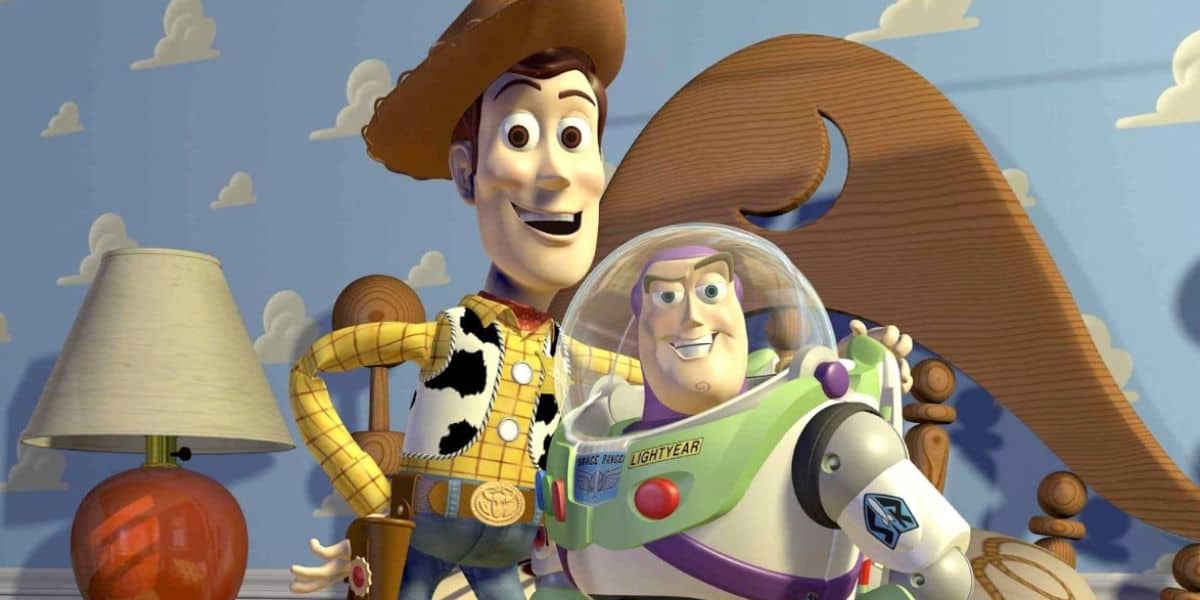
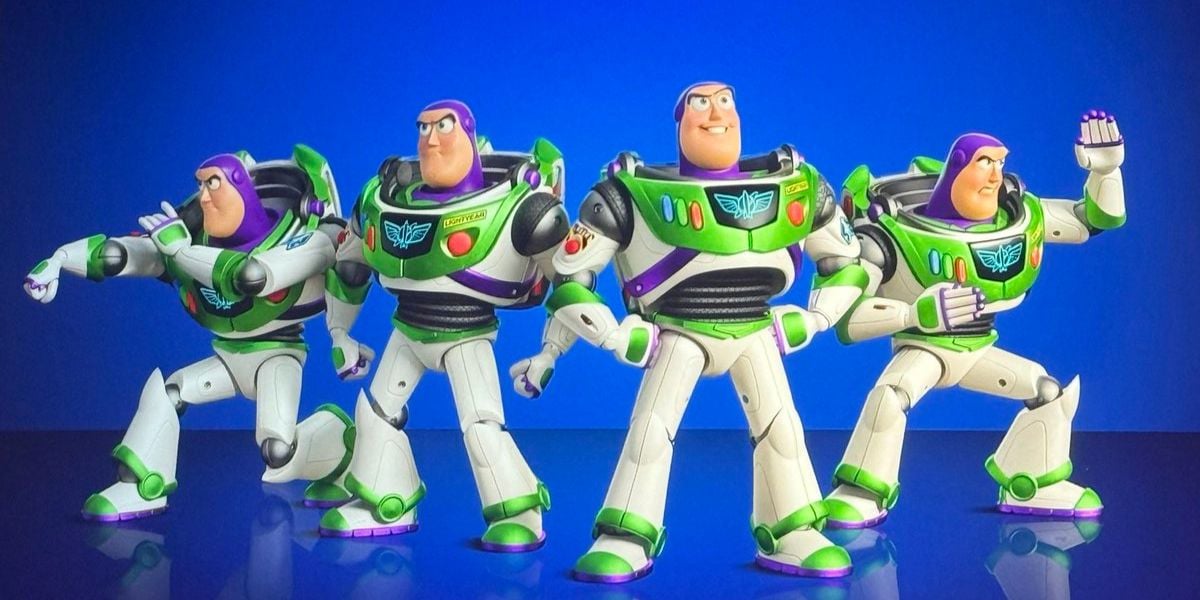
As Toy Story 5 prepares for its theatrical debut on June 19, 2026, its path to the Chinese market is completely clear. Woody, Buzz Lightyear, and the rest of the gang will safely march onto Chinese movie screens, completely clear of the geopolitical crosshairs—all because Disney’s internal fear of the dragon was enough to keep the magic alive at the box office.