Wildlife management remains a constant reality at Walt Disney World.
The resort may be known for theme parks, hotels, and attractions, but it also sits within the natural landscape of Central Florida. Lakes, canals, ponds, and wetlands across the region are home to large populations of native wildlife, including alligators.
According to the Florida Fish and Wildlife Conservation Commission, roughly 1.3 million alligators live throughout Florida. Encounters with the reptiles are common across the state, from residential neighborhoods to major tourist destinations.
Walt Disney World has long worked with state wildlife officials to manage alligator activity on its property.
Records show that in the eight years leading up to 2016, state-contracted trappers removed an average of 23 alligators from Disney World each year through Florida’s nuisance alligator program.

That figure increased significantly following a fatal incident at the resort in 2016.
Disney Expanded Alligator Management After 2016
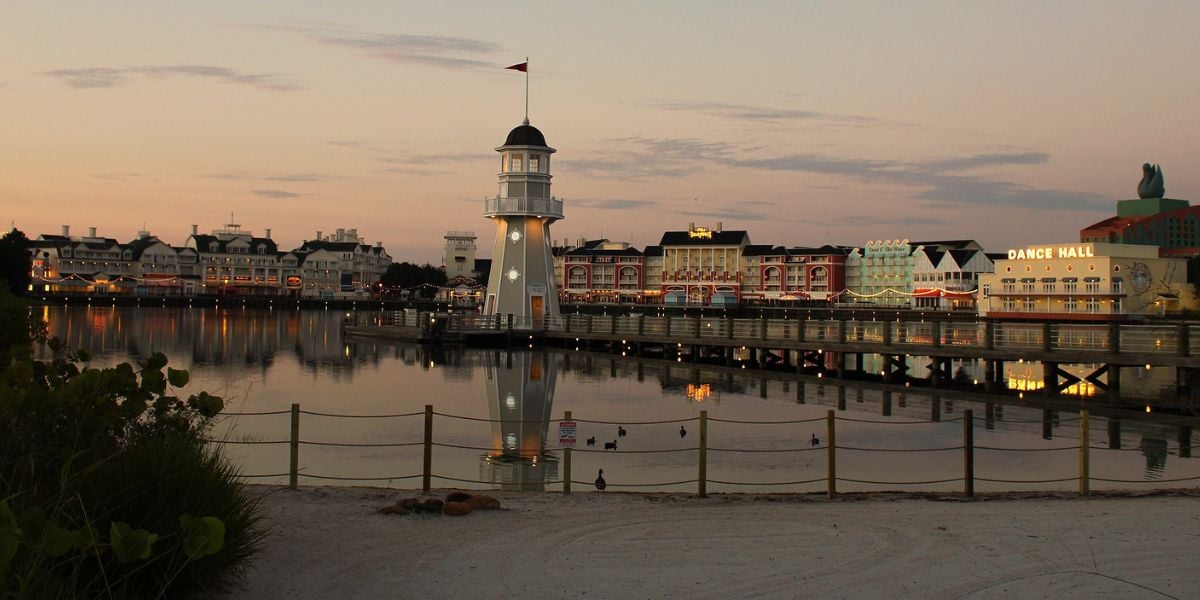
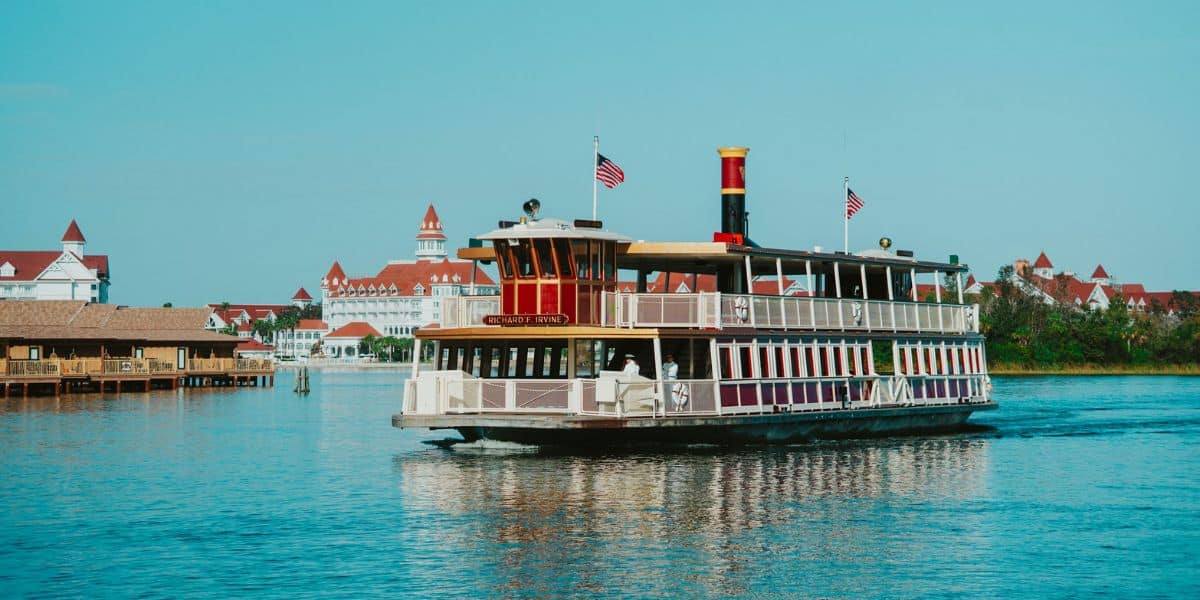
In June 2016, 2-year-old Lane Graves was fatally attacked by an alligator while playing in “ankle deep or less in the water” along the shore of Seven Seas Lagoon near Disney’s Grand Floridian Resort & Spa.
The incident prompted a series of changes across Walt Disney World.
Disney installed additional warning signs around waterways and added fencing and physical barriers in areas where guests could come into contact with bodies of water. The company also expanded procedures related to wildlife sightings and guest safety.
The Graves family later established a foundation in Lane’s memory focused on pediatric organ donation and supporting families with critically ill children.
According to figures reported by News 6, 83 alligators were removed from Walt Disney World property in 2016.
Another 414 alligators have been removed from Disney property in the decade since.
Those removals are conducted through the Florida Fish and Wildlife Conservation Commission’s Statewide Nuisance Alligator Program, which allows wildlife officials to remove alligators considered threats to people, pets, or property.

Smaller alligators may also be removed if they are found in locations where interactions with guests are more likely.
Disney says it continues to work closely with state wildlife officials.
“In keeping with our strong commitment to safety, we continue to reinforce procedures related to reporting sightings and interactions with wildlife, and work closely with Florida Fish and Wildlife Conservation Commission to remove or relocate certain wildlife from our property in accordance with state regulations,” a Walt Disney World spokesperson told News 6 in 2021.
Guests still occasionally report spotting alligators around the resort.

Sightings have previously been reported near Disney’s Wilderness Lodge, beneath a bridge at Disney’s Beach Club Resort, and around waterways throughout the property.
Wildlife Encounters Continue Across Florida
Disney’s alligator removals reflect a broader effort taking place throughout Florida.
More than 8,700 alligators considered threats to people, pets, or property were removed statewide through Florida’s nuisance alligator program in 2024 alone.
Licensed trappers receive a $50 stipend for each alligator captured. Many are also permitted to generate additional revenue from the animal’s meat and hide.

Wildlife officials generally do not relocate nuisance alligators. Experts say the reptiles often attempt to return to their original territory, while many potential relocation sites already have established alligator populations.
Instead, some animals are transferred to zoos and wildlife exhibits.
Others, including alligators recently removed from Walt Disney World property, are sent to licensed alligator farms and private hunting preserves.
The removals have not significantly affected Florida’s overall alligator population.
Once listed as an endangered species, the American alligator has recovered through decades of conservation efforts and is now considered one of Florida’s major wildlife success stories.

Alligators are not the only animals that occasionally find their way onto Disney property.
In September 2023, a female Florida black bear entered Magic Kingdom, prompting Disney to temporarily close parts of Frontierland, Liberty Square, and Adventureland while wildlife officials responded.
The bear was safely captured and relocated to Ocala National Forest. Wildlife officials said the animal was likely searching for food during a season when bears become more active.
A black bear has also been spotted at Disney’s Fort Wilderness Resort & Campground.
Guests have reported encounters with raccoons, opossums, and other native Florida wildlife over the years as well.
Snakes are also relatively common. In 2025, a guest also snapped a picture of a snake slithering through Magic Kingdom ahead of the Disney Starlight Parade.
Have you ever spotted unexpected wildlife at Disney World?