A wave of internal restructuring at The Walt Disney Company is drawing scrutiny from both fans and talent, as sweeping layoffs ripple through divisions closely tied to Marvel Studios—and at least one prominent Marvel actor is now speaking out forcefully against the changes.

For more than a decade, Marvel Studios has stood as a defining force in blockbuster filmmaking, building a reputation on interconnected storytelling, large-scale spectacle, and a cohesive visual style. That formula helped transform the Marvel Cinematic Universe into one of the most successful franchises in entertainment history. Now, a series of cost-cutting decisions under Disney’s leadership is raising concerns about whether that consistency can continue.
Under CEO Josh D’Amaro, Disney has reportedly cut around 1,000 jobs across multiple departments in recent weeks. The move reflects a broader recalibration strategy as the company reassesses its spending after years of aggressive expansion, particularly during the streaming boom tied to Disney+. While layoffs are not unusual for a corporation of this size, the scale and specific departments affected have drawn attention—especially within Marvel’s creative ranks.
One of the most notable changes involves Marvel’s visual development team, which has reportedly been eliminated entirely. This group has long played a central role in shaping the MCU’s aesthetic identity, designing everything from costumes to environments that define each project’s look and tone.

Reports suggest that roughly eight percent of Marvel’s workforce was impacted, including several veteran artists whose work helped establish the franchise’s visual language over the past decade. The loss of such a specialized team has sparked concern among fans and industry observers, who see it as a potential blow to the studio’s creative infrastructure.
The layoffs arrive after a period of significant growth for Marvel. Following the record-breaking success of Avengers: Endgame in 2019, the studio expanded rapidly, producing a steady stream of theatrical releases alongside a growing slate of Disney+ series.
For a time, the strategy appeared unstoppable. However, recent years have brought mixed results, with some projects failing to match the critical and commercial success of earlier entries. At the same time, conversations around “superhero fatigue” have gained traction, as audiences become more selective about which stories they engage with.
In response, Disney has scaled back Marvel’s output, aiming to release fewer projects each year while allowing more time for development. The shift is designed to refocus the brand on quality and restore the sense of anticipation that once accompanied each new installment.

Yet the decision to reduce staff while pursuing higher-quality storytelling has raised questions. Critics argue that cutting experienced creative teams may undermine the very goal Disney is trying to achieve.
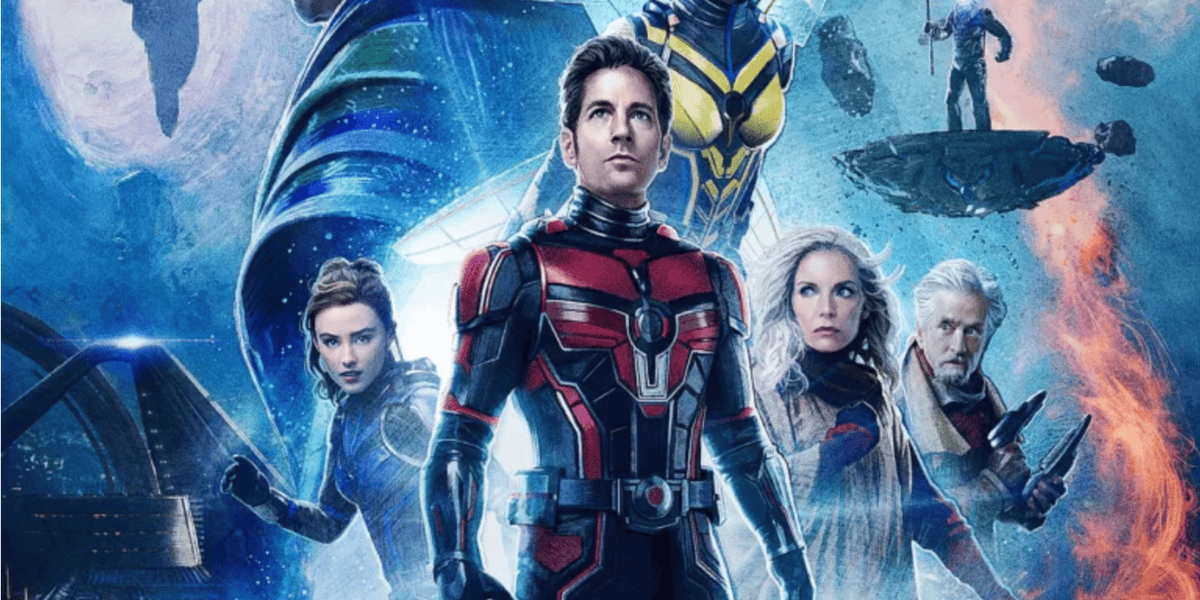
Among those voicing concern is Evangeline Lilly, known for her role as the Wasp in the Ant-Man films. In a social media post, Lilly—who previously announced her retirement from acting—shared that she had reached out to longtime Marvel artist Andy Park, who confirmed he had been affected by the layoffs.
Park has been instrumental in shaping the look of multiple MCU characters, including The Wasp. Lilly’s response was direct and emotional, as she criticized both the layoffs and broader industry trends.
She wrote:
“Where are the laws that REMOVE all human art from the AI bank?!? Why do they get to steal our brilliance and use it to make executives rich while the artists responsible for feeding their robots go hungry?? Disgusting. California lawmakers…where are you?!?!?
To the @marvelstudios artists who designed and brought to life the glory days of Marvel…I salute you 🫡. I was there. I know what you did. I know how passionately you worked round the clock to make magic happen. You are the magicians, no matter what the Wizards of our new Oz make it look like going forward. I will never forget.
@disney SHAME ON YOU for turning your back on the people who built the power you are now using to throw them away.
Fans, please share the love with @andyparkart Tell him how much his art has meant to you over the years. He was responsible for designing SO many of your fav @marvelstudios characters
@producer.patrick Thank you for spreading the word. Everybody please check out his full post (you can click through in my stories).
#AI #art #artists #resist #boycottdisney”
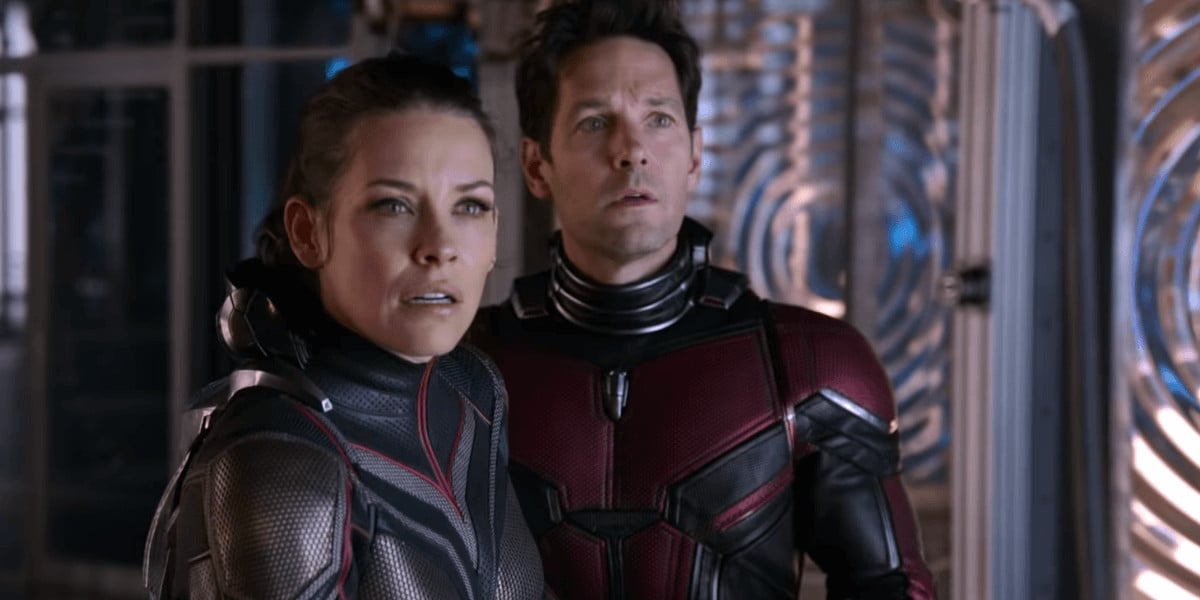
By amplifying these sentiments, Lilly not only criticized Disney’s decisions but also called on fans to recognize the contributions of behind-the-scenes artists. Her use of the hashtag “boycottdisney” underscores her dissatisfaction with the company’s current direction.
Lilly’s comments also touched on a larger issue gaining traction across Hollywood: the increasing use of artificial intelligence in creative processes. While Disney has not publicly connected its layoffs to AI adoption, the timing has prompted speculation about how emerging technologies might influence staffing decisions.
Studios across the industry are exploring AI for tasks within filmmaking. Supporters view these tools as a way to streamline production, while critics warn that they could diminish opportunities for human artists.
Lilly’s remarks reflect a broader concern that prioritizing efficiency could come at the expense of originality—a key ingredient in the MCU’s success.

The changes at Marvel are part of a wider shift within Disney as it transitions from rapid expansion to a more measured approach. The company now faces the challenge of maintaining its dominance while adapting to evolving audience expectations and financial realities.
For Marvel Studios, the stakes are particularly high. The MCU’s future depends on its ability to evolve while preserving the creative foundation that made it a cultural phenomenon.
As the next phase of films and series begins to take shape, the impact of these decisions will come into sharper focus. For now, the situation represents a turning point—not just for Marvel, but for the broader entertainment landscape.
With talent speaking out and fans watching closely, the question remains whether Disney’s new strategy will strengthen the franchise—or fundamentally alter what made it resonate in the first place.
How do you feel about these layoffs at Disney? Let us know in the comments down below!