

Pixar’s newest original film is arriving at a moment when every creative choice seems to spark online debate. The studio’s upcoming release, Hoppers (2026), hits theaters on March 6 — but conversation around the movie has been building for months, and not just because of its story.
Reports that surfaced during production indicated that environmental themes originally woven deeply into the film were scaled back before the final cut. That adjustment followed years of criticism aimed at Disney and Pixar over what some viewers have labeled “woke” storytelling. Whether that label is fair depends on who you ask. What’s clear is that the studio heard the noise.
A Pattern After Lightyear and Elio
To understand why the reported changes to Hoppers matter, you have to look at Pixar’s recent history with original films.
Lightyear (2022) sparked heated online reactions, with some audiences arguing that the film leaned too heavily into contemporary cultural themes. Regardless of intent, the conversation quickly shifted away from its sci-fi adventure roots and toward messaging. The box office results reflected that tension.
Then came Elio (2025), another ambitious original concept. Once again, online debate centered around whether Pixar was prioritizing social themes over universally accessible storytelling. Financially, the film struggled to reach expectations.
Two consecutive originals facing similar criticism created a narrative: Pixar had drifted into message-first filmmaking.
Environmental Themes Reduced in Hoppers
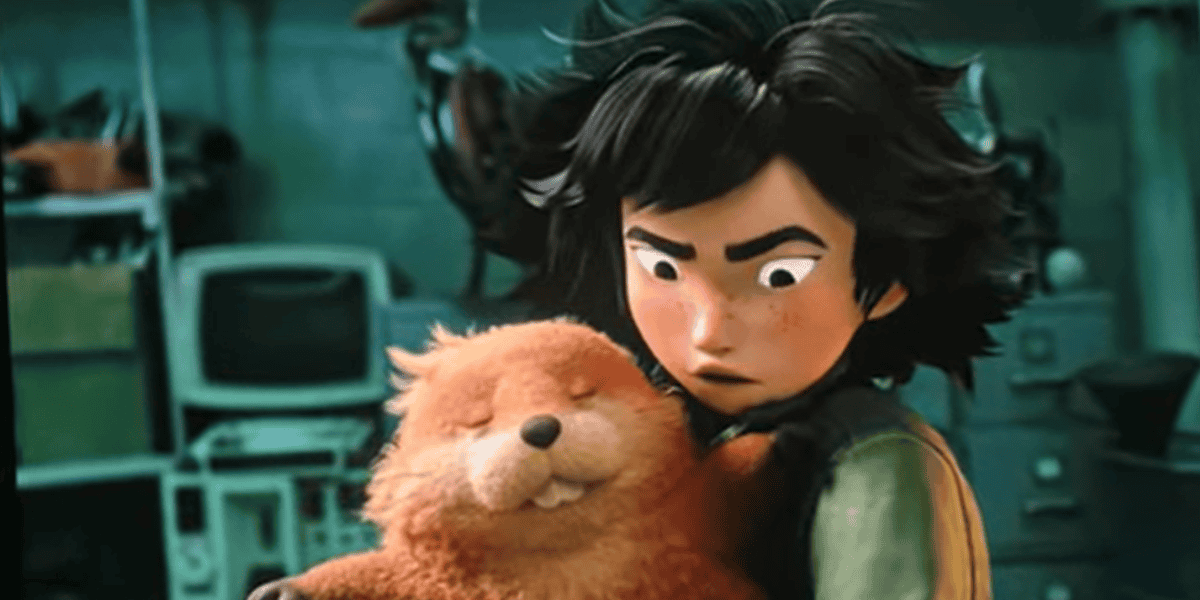
When Hoppers was first introduced, it reportedly featured stronger environmentalist elements. The film centers on a young woman who transfers her consciousness into a robotic beaver, placing nature and wildlife at the core of the narrative.
But according to prior reporting, the environmental messaging was softened during development. The goal, insiders suggested, was to keep the film from feeling preachy or politically charged and instead emphasize character-driven storytelling.
Environmental themes aren’t new to Disney animation. WALL-E (2008) built its entire premise around ecological collapse. The difference now is the broader cultural climate. Topics that once felt universal can quickly become polarizing.
Pulling back those elements in Hoppers appears consistent with Disney leadership’s recent push to focus on entertainment over overt messaging.

Critics Are On Board
If the recalibration was meant to strengthen the film, early reviews suggest it worked.
Hoppers currently holds a 97% score on Rotten Tomatoes based on early critic reactions. That’s one of Pixar’s strongest debuts in years. Reviewers are praising the film’s heart, humor, and imaginative concept.
The audience score hasn’t yet materialized. That distinction matters. In recent years, critic enthusiasm hasn’t always translated into box office momentum for Disney’s animated releases.
March 6 Will Be the Real Test
When Hoppers opens nationwide on March 6, audiences will decide whether Pixar’s course correction resonates.
If ticket sales follow the strong critical reception, it could signal that Pixar has successfully struck a new balance. If not, the broader conversation about messaging and entertainment will continue.
For now, one thing is certain: Hoppers isn’t just another Pixar release. It’s a litmus test for how the studio navigates storytelling in a more divided era.


We saw the sneak preview for D23 last night. Loved it! So funny, countless quotable lines, great emotion, and I did appreciate the message it was sending. Is it really “woke” to emphasize saving the planet? One pond at a time? The message was clear, yet presented in a charming, humorous way. I can’t wait to see it again. Potato! (IYKYK)
Lightyear failed because the story was bad. It wasn’t a story that Andy would have taken to heart to become his favorite movie. It wasn’t fun at all.
Elio just kinda blah, story was lacking.