
Disney World Confirms 2026 Lightning Lane Overhaul as Closures Start Piling Up

Disney World has been in constant change mode lately, and honestly, the weirdest part is how quietly it’s happening.
One day, you’re planning a normal trip. Next, a ride goes dark, a construction wall appears, and suddenly, the park feels like it’s missing major pieces. Guests keep showing up expecting the same experience, but Disney keeps shifting things behind the scenes.
And while most people focus on closures, Disney has also been adjusting Lightning Lane at the same time.
Not with a big announcement. Not with a dramatic “new system” reveal. Just subtle updates that guests won’t notice until they’re already in the parks, refreshing the app and wondering why everything feels harder to plan than it used to.
Heading into 2026, that timing feels intentional.

Lightning Lane Is Now the Main Planning Strategy
Lightning Lane used to feel like an optional upgrade. Now it feels like the system Disney expects guests to rely on.
Instead of standing in long standby lines, guests can pay for Lightning Lane access and reserve shorter waits. It can completely change the pace of a park day.
But Lightning Lane isn’t a simple “one price covers everything” system. Different parks have different Lightning Lane options, and not every attraction fits into the same category. Some rides stay in the standard lineup, while the biggest headliners often require separate purchases.
That’s why many guests end up stacking Lightning Lane choices just to make their day feel manageable.

Closures Are Making Lightning Lane More Competitive
Lightning Lane works best when Disney has plenty of attractions open. When enough rides operate, crowds spread out naturally.
But in 2026, Disney is shrinking ride capacity across multiple parks.
DinoLand U.S.A. has permanently closed at Animal Kingdom, and the land is now being transformed into Tropical Americas. That isn’t just one ride disappearing. It’s an entire section of the park being wiped out and rebuilt.
Magic Kingdom is also missing Big Thunder Mountain Railroad, which is expected to reopen in spring 2026. Buzz Lightyear’s Space Ranger Spin is also scheduled to reopen in spring 2026, but until then, Tomorrowland loses another major option for families.
Hollywood Studios faces an even bigger shift. Rock ’n’ Roller Coaster is scheduled to permanently close on March 2, 2026, ahead of its Muppets retheme. That means the park loses one of its biggest thrill attractions for a long stretch.
Animal Kingdom also takes another hit when the Wildlife Express Train closes February 23 through summer 2026, cutting off easy access to Rafiki’s Planet Watch.
With fewer attractions running, Lightning Lane return times will disappear faster, and guests will fight over a smaller pool of available rides.

Construction Is Reshaping Entire Lands
The closures don’t exist in isolation. Construction is also changing how the parks feel and function.
Frontierland construction is already shifting the guest experience at Magic Kingdom. Hollywood Studios is undergoing a significant transition as the Muppet and Animation Courtyard areas change. And at Animal Kingdom, DinoLand construction is creating a massive dead zone while Tropical Americas takes shape.
Even when the parks stay “open,” these projects reduce walkable space, create bottlenecks, and push crowds into fewer areas.
And that makes every open ride feel busier.
Fewer Open Rides Means Higher Standby Waits
The biggest issue is simple: crowds don’t disappear when rides close.
Guests still show up. Disney still sells tickets. But now, fewer attractions exist to spread people out.
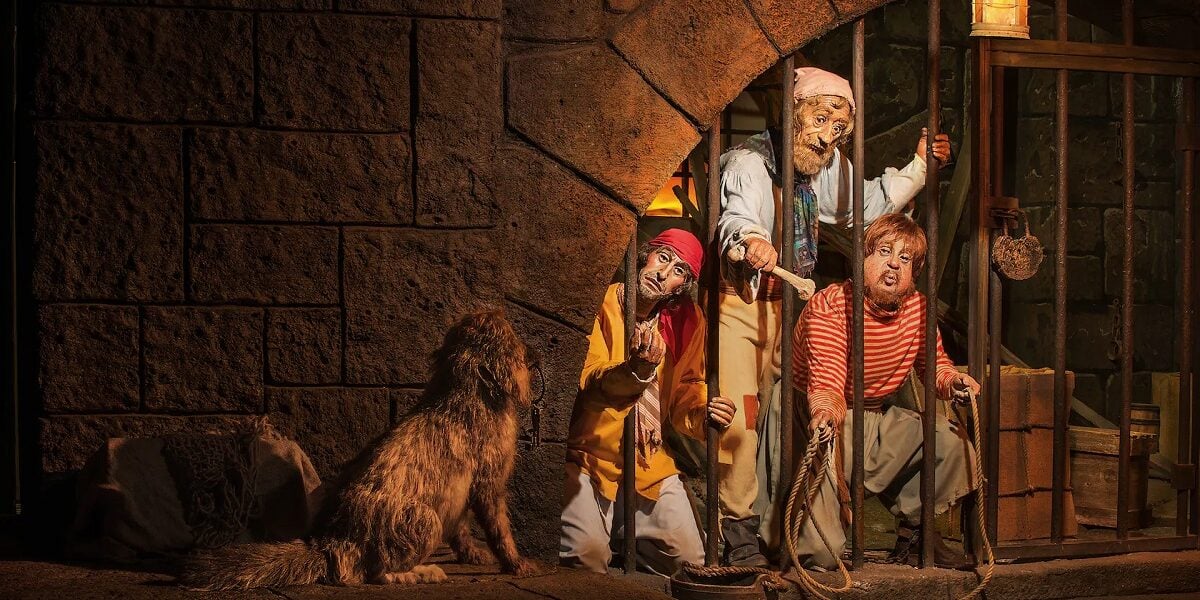
If Big Thunder is down, guests flood Pirates of the Caribbean, Haunted Mansion, Jungle Cruise, and Peter Pan. If Rock ’n’ Roller Coaster is gone, thrill seekers pile into Tower of Terror. If DinoLand is wiped out, Animal Kingdom becomes even more dependent on Pandora and Expedition Everest.
That’s when Lightning Lane stops feeling optional and starts feeling like the only way to avoid spending your entire day in standby lines.
Lightning Lane Demand Will Push Prices Higher
When Lightning Lane becomes essential, demand climbs fast.
And when demand climbs, Disney raises prices. That’s the pattern.
The more guests feel like they need Lightning Lane to have a decent day, the more they’ll pay. And the more they pay, the easier it becomes for Disney to justify higher costs.
At the same time, fewer operating attractions mean fewer Lightning Lane return times. That creates urgency, which in turn drives even more spending.
The Cycle Keeps Getting Worse
This is the frustrating part.
Disney closes rides, which increases standby wait times. Higher standby waits push guests toward Lightning Lane. More Lightning Lane demand drives higher prices. And once guests get used to paying extra, Disney has less incentive to keep the system affordable.
Heading into 2026, this cycle looks like it’s about to intensify.

Tips for Skipping Lines Without Paying Extra
If you don’t want to spend hundreds on Lightning Lane, timing matters.
One of the best strategies is riding major attractions late at night, especially during the final hour before closing. Many guests leave early or focus on fireworks, and standby lines often dip.
You can also use parade and fireworks windows to your advantage. When crowds gather for entertainment, some ride lines temporarily drop.
It won’t solve everything, but in 2026, smart timing might be the closest thing to a free Lightning Lane option.

Disney World’s 2026 Lightning Lane Problem Is Just Beginning
Disney World in 2026 is shaping up to feel very different.
With DinoLand gone and Tropical Americas construction underway, Big Thunder and Buzz Lightyear down until spring, Rock ’n’ Roller Coaster permanently closing March 2, and the Wildlife Express Train shutting down for months, guests will have fewer options and bigger crowds fighting over what remains.
And as Disney continues adjusting Lightning Lane quietly in the background, it’s clear the system is becoming more critical than ever.
Fewer rides mean higher wait times. Higher wait times mean higher Lightning Lane demand. And higher demand means higher prices.
If you’re planning a trip in 2026, don’t assume your old strategy will still work. Because Lightning Lane isn’t just changing. It’s becoming the center of the Disney World experience.



What bothers me the most about this is the fact that some families can barely afford to go in the first place. It separates the haves from the have nots. And children shouldn’t experience that at an amusement park, the king of amusement parks. It’s the children that suffer. This will drive down attendance, while maintaining their profit. But the dream is disappearing for many. Not to mention how much work it all is. It’s not a vacation at all.