

In the glittering, high-stakes world of Disney Imagineering, few projects have captured the public’s imagination—and frustration—quite like the Disney Skyliner. Since its colorful gondolas first took to the Florida skies in late 2019, the “Most Magical Flight on Earth” has become a cult favorite. It’s scenic, it’s fast (when it’s moving), and it’s arguably the most efficient way to travel between EPCOT and Hollywood Studios.

But as we cross into February 2026, the fan outcry for an expansion has reached a fever pitch. With Disney CEO Josh D’Amaro officially moving forward with a massive $60 billion investment plan into the parks and resorts, guests are looking at the maps and asking: Why doesn’t the Skyliner go to the Magic Kingdom? Why is Animal Kingdom still stuck with just buses?
The answer is a complicated cocktail of physics, finance, and the relentless reality of Florida weather. Behind the scenes, Disney’s analysts and engineers have realized that while the Skyliner is a masterpiece of a specific time and place, expanding it further is likely an impossible task. Here is the deep dive into the “Invisible Walls” preventing the Skyliner from ever leaving its current loop.
1. The Astronomical Cost of “Cheap” Transportation
When the Skyliner was first announced, it was touted as a cost-effective alternative to the legendary Monorail. To put it in perspective:

- Monorail: Costs roughly $100 million per mile in 2026 dollars to build and maintain.
- Skyliner: Estimated at a much more “palatable” $15 million to $20 million per mile (including the massive power-station costs revealed in recent local permits).
However, “cheaper” does not mean “cheap.” To extend the line from Hollywood Studios to Animal Kingdom, Disney would need to build nearly 5 miles of cable, dozens of steel pylons driven into the unstable Florida marshland, and a multi-million dollar hub station.
The ROI Wall
Disney is currently hyper-focused on Return on Investment (ROI). The current Skyliner serves four hotels, effectively turning “Value” resorts like Pop Century into “Value-Plus” properties with higher room rates. Expanding to Animal Kingdom doesn’t necessarily drive more hotel bookings—it just makes the commute easier for guests who are already staying there. For Disney’s bean counters, spending $200 million on “guest convenience” without a clear path to increased revenue is a non-starter.
2. The Florida Storm Factor: A Lightning Rod in the Sky
Central Florida is famously the Lightning Capital of North America. This is the single biggest operational nightmare for a system that consists of metal boxes suspended 60 feet in the air by a steel cable.

The “Double-Fleet” Problem
Disney operates under strict safety protocols. If lightning is detected within a 10-mile radius, the Skyliner must begin a staged shutdown. This means:
- Evacuation: Guests must be cleared from the line.
- Redundancy: Disney must activate a full fleet of buses to cover the route.
If Disney were to expand the Skyliner to the Magic Kingdom, they wouldn’t be replacing the buses; they would be paying to maintain two separate transportation systems simultaneously because they can’t rely on the sky during the frequent summer storms.
3. The “Hot Box” and the A/C Logistical Nightmare
One of the most frequent complaints from guests in the summer is the lack of air conditioning. The cabins rely on passive ventilation—a fancy way of saying they stay cool only while they are moving.

If a line stalls (which occurred during a high-profile power glitch in late 2025), those cabins quickly become 100-degree greenhouses.
- The Weight Trade-off: Adding A/C units to thousands of gondolas would add significant weight. This would require thicker cables, stronger motors, and more frequent (and expensive) maintenance.
- The Length Issue: Currently, most rides are under 12 minutes. Guests can handle 12 minutes of heat. A trip to the resort’s far-flung corners would take 25–30 minutes, making the risk of heat exhaustion during a stall a massive legal liability.
4. The Geographic “Swiss Cheese” of Disney Property
Looking at a map, it seems easy to just “draw a line” to the other parks. In reality, Disney property is a maze of infrastructure.
- World Drive: Extending the line toward the Magic Kingdom would require towers high enough to clear major multi-lane highways and high-voltage power lines.
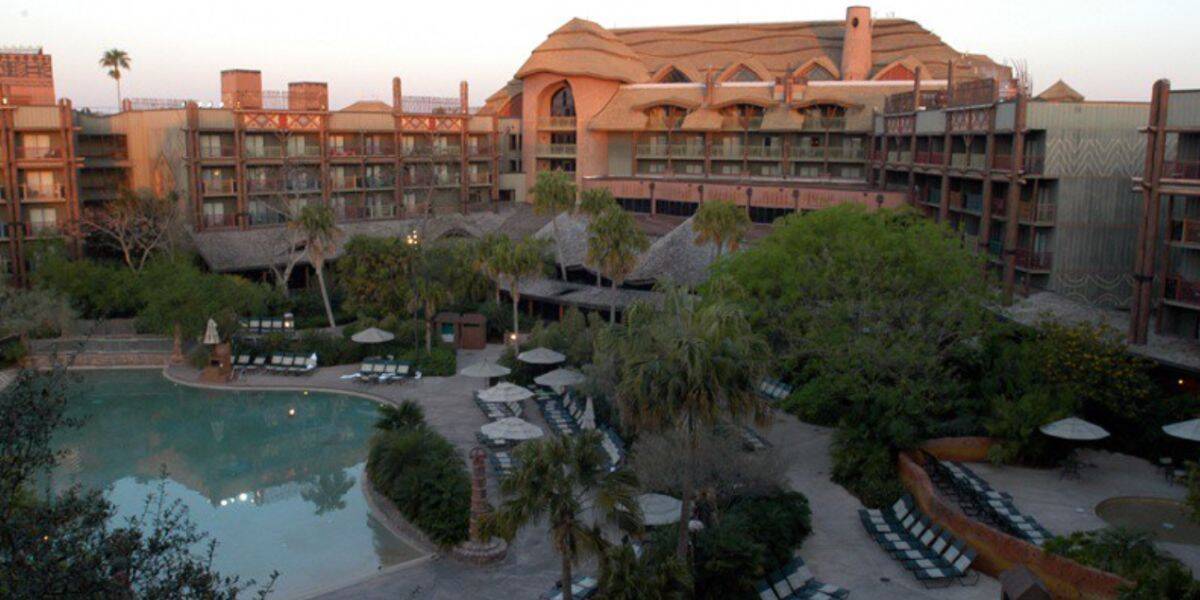
- Animal Kingdom’s “No-Fly Zone”: Imagineers are protective of the animal enclosures. The noise of a massive mechanical cable and the visual of gondolas gliding over the savanna could stress the elephants, rhinos, and giraffes. To avoid the animals, the route would have to be so circuitous that a bus would be twice as fast.
5. The Aesthetic of the “Deluxe” Experience
Disney’s “Deluxe” resorts, such as the Grand Floridian or Animal Kingdom Lodge, are built on a foundation of total immersion. Guests pay $800+ a night to feel like they are in a Victorian estate or a South African safari.
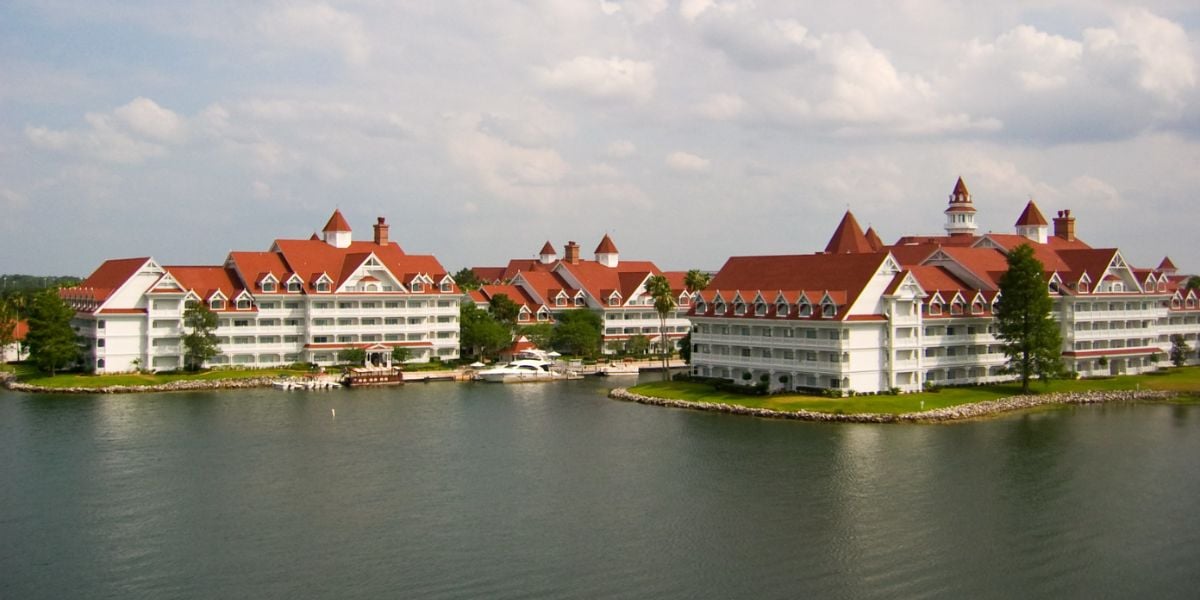
A Skyliner station, which resembles a high-tech ski lift, is a major “thematic break.” Imagineers are loath to cut the skyline of the Grand Floridian with steel cables and colored gondolas. For these high-end resorts, the “Old World” charm of boats and the “Futuristic” legacy of the Monorail are protected as part of the brand.
Conclusion: A Masterpiece in a Small Box
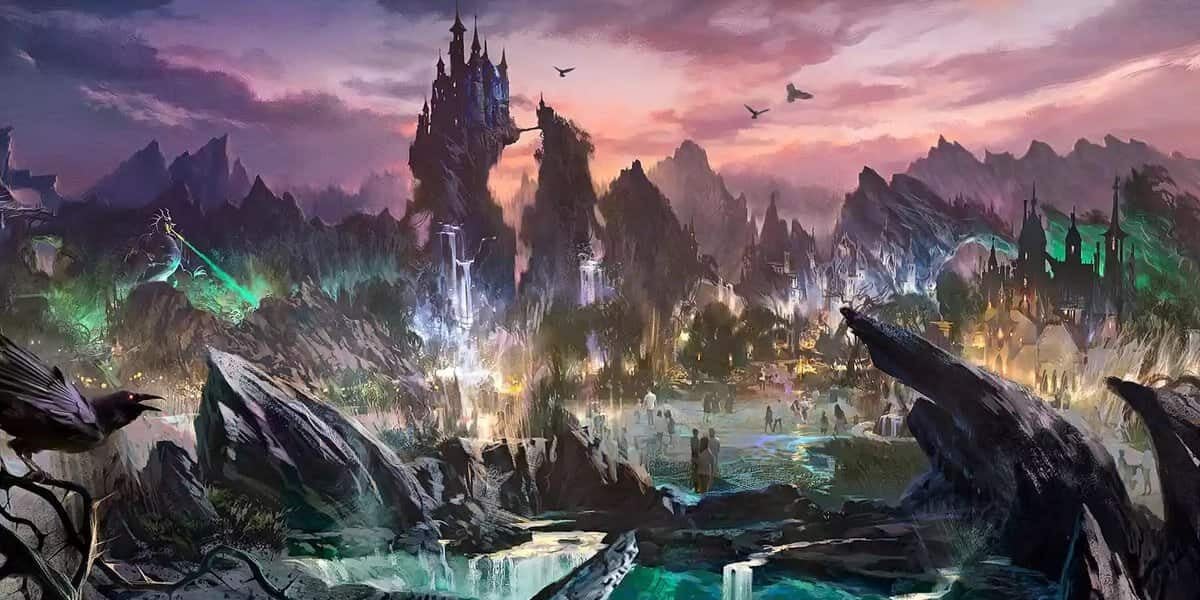
As Disney moves forward with its 2026 expansion plans, including the new Villains Land at Magic Kingdom and the Tropical Americas retheme at Animal Kingdom, the transportation solution isn’t in the sky. Instead, Disney is doubling down on electric autonomous shuttles and enhanced bus lanes—technologies that can run in a thunderstorm and don’t cost $20 million a mile to build.
The Disney Skyliner is a triumph of modern theme park design, but it is also a closed loop. It works perfectly for the EPCOT resort area, but for the rest of the 25,000-acre resort, the “Invisible Walls” are simply too high to climb.
Would you rather see Disney spend $200 million on a Skyliner expansion or on a brand-new fifth theme park? Let us know in the comments below!




There is a clear path that could be used to create a south/west skyliner route:
Animal Kingdom Lodge – in the parking lot between Jambo house and Kidani village. Great gantry over the parking rows for skyliner storage in case of storms or system maintenance.
— to —
Animal Kingdom – at the front of the park
— to —
Blizzard Beach in the area used for parking at the mini golf. You need to turn, so you might as well make it a station and improve the water park access.
— to —
Coronado Springs resort – in the area to the north of the reception loop. Adding CS to the skyliner would promote the tower to full deluxe status, and elevate the rest of the moderate rooms
— to —
A new “speedway exchange” – convert the existing turning station into a full station and add another route from coronado and down …
— to —
Hollywood Studios – add a second skyliner station replacing the western most bus ramp, next to the existing station. This would enable skyliner access to Animal kingdom, and become a shorter route to Epcot by changing at the new speedway interchange.
This route would:
a) Create a new vector to Animal kingdom so its part of a non-bus transportation system – overall elevating the park
b) Change the dynamics of Transport for Animal Kingdom lodge – elevating it from the lower rungs of Deluxe to a premium status, with an equivalent bump in room rates. It would have 3 park access via skyliner
c) Elevate Coronado Springs – one of the largest moderate resorts – and the tower giving access to 3 parks via skyliner.
d) Elevate access to Blizzard Beach – encouraging more people to get the waterpark addon as it would have good transport from 7 hotels
I can understand that all of those skyliner extensions create a logistics nightmare but how about extending it to Disney Springs? It’s a straight shot down East Buena Vista Drive just in the opposite direction of the route it takes to Epcot. By doing this extension it would greatly alleviate what is becoming a traffic and parking nightmare at this location.