Smugglers Run Guests Are Noticing a Change That Alters the Boarding Dynamic

Something changed the moment people stepped up to the entrance. It wasn’t loud. No cast member made an announcement. No app notification warned guests ahead of time. But there it was — a new choice that immediately made people pause and look at each other before deciding what to do next.
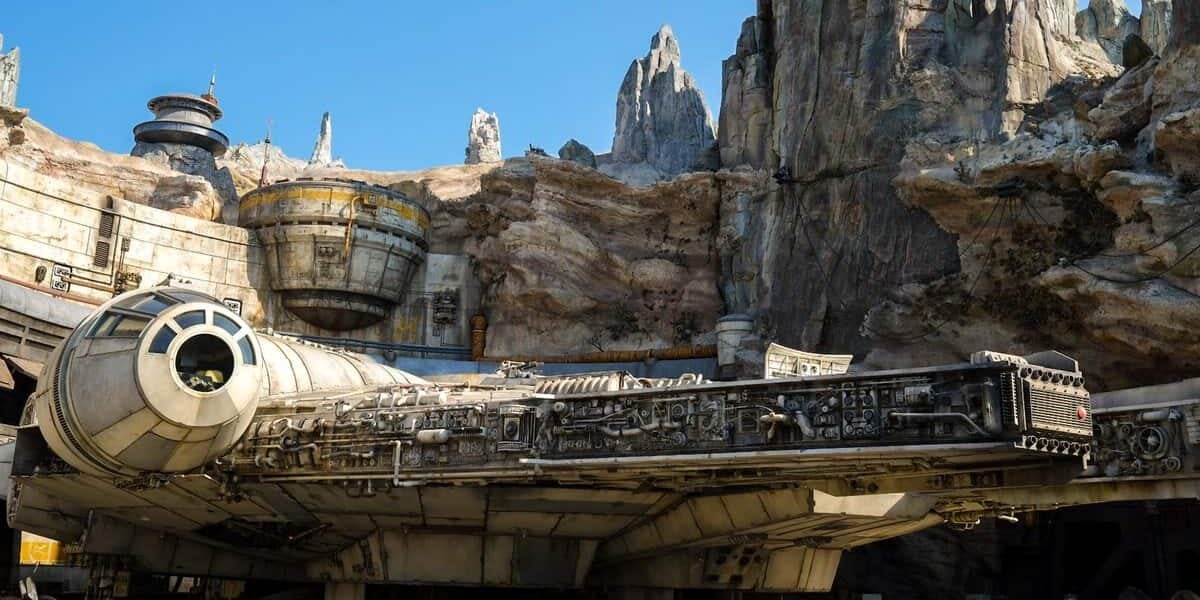
Inside Millennium Falcon: Smugglers Run, guests have always faced a tiny emotional dilemma. Do you wait longer to stay together, or do you split up for a faster experience? For years, that decision felt simple. Now, with a Double Rider queue joining the familiar Single Rider option, that choice suddenly feels more layered — and maybe even a little more stressful in ways people didn’t expect.
Because this ride has never just been about the wait.
It’s about the moment when those cockpit doors close and everyone realizes their role. Pilot. Gunner. Engineer. That split second where you look around and wonder how the next few minutes are going to go has always been part of the thrill. Adding a Double Rider line introduces a new type of uncertainty that begins long before anyone takes their seat.
Millennium Falcon: Smugglers Run now has a Double Rider queue (in addition to Single Rider) at #Disneyland. #GalaxysEdge pic.twitter.com/3X0HagOiyY
— LaughingPlace.com (@laughingplace) January 28, 2026
Guests now have a way to stay paired without committing to the full standby wait. On paper, that sounds perfect. In reality, it introduces a fresh emotional gamble. Two people might board together, but they still don’t know what roles they’ll end up with. They might dream of steering the Falcon side by side, only to find themselves managing systems from the back row. For some, that unpredictability feels exciting. For others, it creates hesitation that wasn’t there before.

What makes this shift especially interesting is how quietly it appeared. Disney didn’t frame it as a major operational change, yet it immediately influences how guests approach the attraction. People now spend more time deciding which line best matches their priorities. You can see the silent conversations happening at the entrance — friends negotiating, families weighing options, couples debating whether the shorter wait outweighs the risk of less interactive roles.
And that pause matters.
Smugglers Run has always carried a social element that few attractions replicate. The experience isn’t passive. Every decision feels shared, and every outcome sparks reactions once the ride ends. The Double Rider queue doesn’t remove that dynamic. If anything, it intensifies it by adding another layer of choice before the experience even begins.
There’s also the question of why this adjustment happened now. Is Disney testing ways to fine-tune capacity? Are they responding to guest behavior patterns they’ve observed over time? Or is this simply an operational tweak that evolved organically without a larger strategy behind it?
Right now, no one outside the company knows for sure.

That uncertainty feeds into the larger feeling surrounding the change. Some guests welcome the flexibility, seeing it as a win for smaller groups who don’t want to wait as long. Others worry it complicates a process that used to feel straightforward. The idea of having more options sounds appealing, but options also come with second-guessing, and second-guessing can slow people down emotionally even if the line moves faster physically.
There’s something poetic about that. A ride centered on unpredictable outcomes now carries unpredictability before boarding even begins. The Falcon has always demanded adaptability, and now guests are experiencing that lesson earlier than ever.

What happens next remains unclear. This could become a permanent fixture, or it could evolve again based on feedback and crowd patterns. Disney has a long history of experimenting quietly, adjusting systems without drawing too much attention, and seeing how guests respond.
For now, though, one thing is certain. The choice standing in front of guests at Smugglers Run feels different than it did before. The decision isn’t just about time anymore. It’s about how much uncertainty you’re willing to embrace and who you want beside you when the cockpit doors close.
And for many people, that question might linger longer than expected.