Universal Targets a Market Disney Has Ruled for Decades With NEW 2026 Debut

Universal isn’t easing into its next chapter. It’s stepping forward deliberately—and the ripple effect is impossible to ignore. For decades, Disney has maintained an almost unchallenged hold over some areas of the theme park world, building trust so deep that many guests never question where to go. Some Disney experiences have become automatic choices, ingrained into vacation planning without a second thought.
That long-standing balance is starting to shift. Universal isn’t nibbling around the edges anymore. It’s applying pressure where Disney has historically felt most secure, and it’s doing so with a strategy that feels measured rather than impulsive.
Disney’s Carefully Built Advantage
Walt Disney World didn’t earn its reputation by accident. Its parks were designed to welcome everyone at once, blending gentle rides, familiar characters, and accessible attractions into a cohesive experience. The result is an environment where multiple generations can share the same space without compromise.
Magic Kingdom leads that approach, but the philosophy carries through the rest of the resort. EPCOT, Animal Kingdom, and Hollywood Studios each contribute their own versions of that balance. Together, they’ve helped Disney build a reputation that feels less like marketing and more like tradition.

Universal’s Thrill-First Identity
Universal took a different path. For years, it leaned heavily into intensity—fast launches, towering coasters, immersive simulators, and cinematic storytelling built around adrenaline. That focus paid off, transforming Universal into a destination renowned for its excitement and spectacle.
But that success came with a tradeoff. Universal developed a reputation as a place guests would grow into rather than start with. Height requirements, darker themes, and sensory-heavy attractions shaped how many families viewed the resort.

A Notable Shift at Universal Studios Florida
That perception began to soften with the arrival of DreamWorks Land at Universal Studios Florida. The land introduced a noticeably different tone, emphasizing bright environments, recognizable characters, and experiences built around movement and interaction rather than intensity.
Instead of asking younger visitors to wait on the sidelines, DreamWorks Land brought them into the center of the action. It signaled that Universal wasn’t just experimenting—it was reassessing who its parks could be for.
Islands of Adventure’s Supporting Role
Islands of Adventure has long included spaces that cater to younger guests. Seuss Landing remains one of Universal’s most visually playful areas, while the Jurassic Park Discovery Center and nearby play areas provide slower-paced options amid a thrill-heavy park.
Still, these offerings have always felt supportive rather than transformative. They complement Universal’s lineup, but they don’t redefine it.
A Bold New Direction Takes Shape
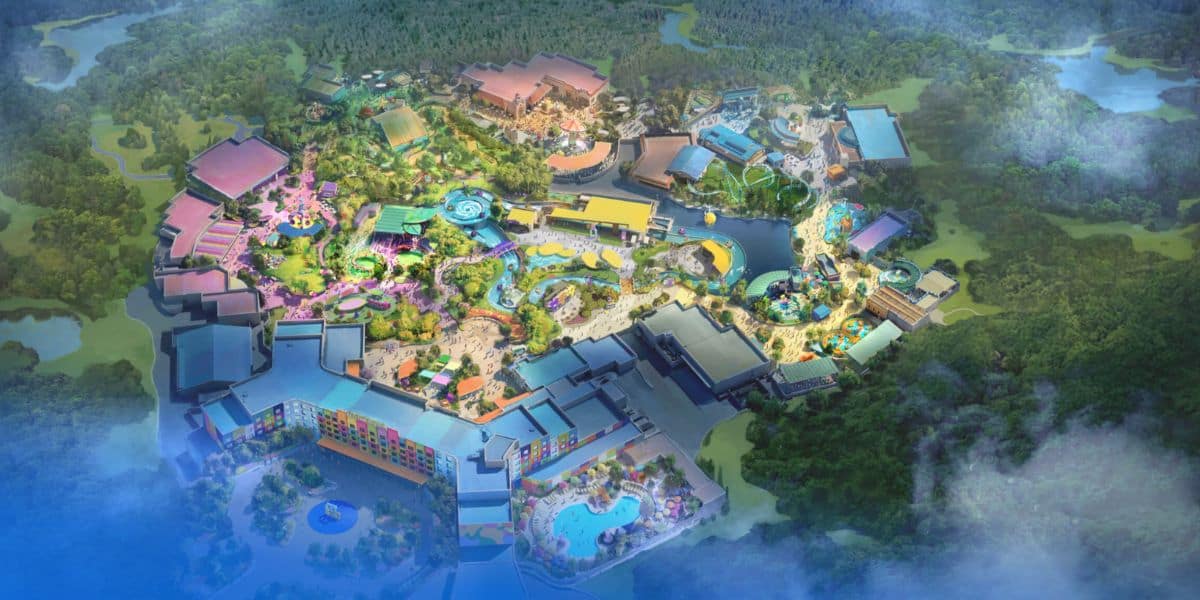
That’s why Universal’s newest move feels so different. Rather than layering more family-focused offerings into existing parks, Universal is launching an entirely separate theme park in Texas designed around younger guests from the ground up.
Universal Creative President Molly Murphy clearly framed the vision, describing the Universal Kids Resort as a destination built around play, creativity, and beloved stories—bringing Universal’s storytelling closer to families at a regional level.
Inside the Park’s Design
The park’s lands focus on imagination over intensity. Jurassic World Adventure Camp leans into discovery, while Bikini Bottom transforms SpongeBob’s world into an interactive environment. Shrek’s Swamp centers on story-driven exploration, and Minions vs. Minions embraces water-based chaos and humor.
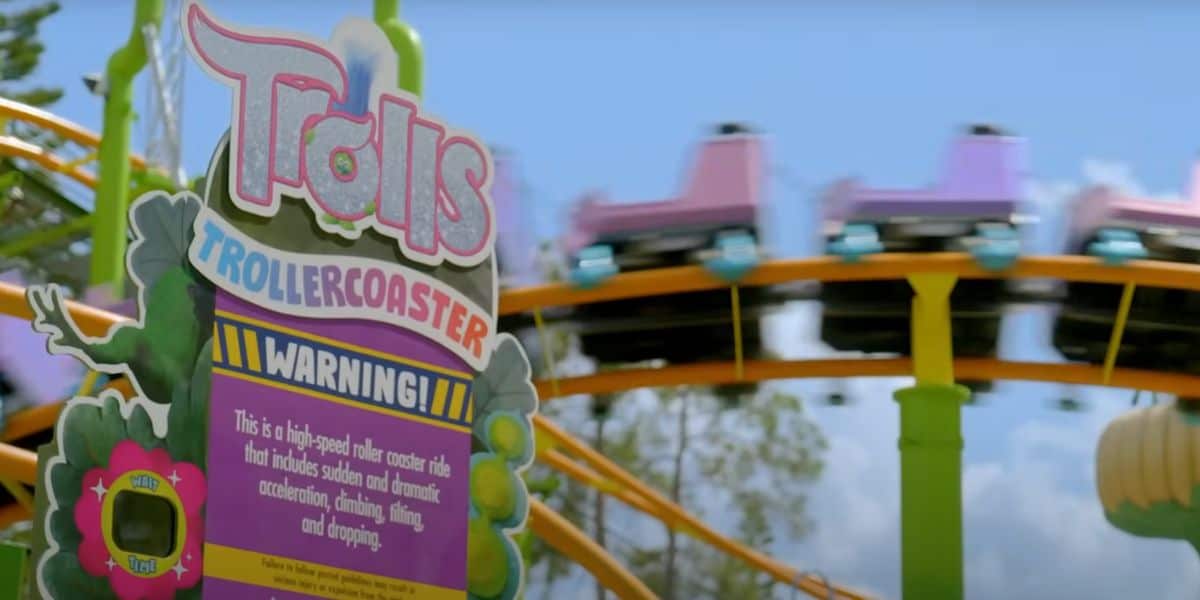
TrollsFest adds music and energy, Puss in Boots Del Mar mixes gentle rides with shows, and Isle of Curiosity anchors the park with a calmer central hub designed for flexibility and downtime.
More Than Just a Park
Universal is also extending the experience beyond the gates with an onsite hotel built specifically for this audience. Family-friendly room layouts, playful common areas, and adult-focused spaces work together to create a balanced stay.
What This Means Going Forward
This move doesn’t topple Disney overnight. But it does challenge a long-held assumption—that Disney stands alone in this space. Universal isn’t waiting anymore. It’s making its move early, and the rivalry is entering a very different phase.