

Disney World’s Once-Untouchable Reputation Has Finally Collapsed

Disney World once carried a reputation that felt unquestionable. Families trusted it. Fans defended it. The idea of it being the most magical place on earth felt earned, not exaggerated. You didn’t have to search for joy—it was everywhere.
Now, that feeling comes with effort.
Guests still arrive hopeful, but the parks feel different. Louder. Busier. More demanding. The magic hasn’t disappeared, but it no longer feels automatic. Something fundamental has shifted, and it’s showing up in every corner of the experience.

Crowds That No Longer Fade Away
Crowds have always existed, but they used to fade into the background. Even on busy days, Disney World found ways to keep things flowing.
That illusion has cracked.
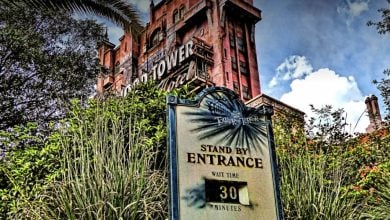
Now, crowds dominate the day. Walkways clog early. Wait times skyrocket. Finding a peaceful moment feels like a challenge instead of a perk. What once felt immersive now feels overwhelming.
This environment changes how guests move through the parks. They rush, plan obsessively, and focus on what’s next instead of what’s around them. When crowd control replaces discovery, the experience loses its spark.

Change Without Time to Breathe
Disney built its reputation by evolving carefully. Attractions changed, but not at the expense of emotional connection. Updates were once felt to be thoughtful, deliberate, and rooted in long-term storytelling rather than quick turnarounds.
That pacing feels gone.
Beloved experiences vanish quickly, often replaced before guests have time to process the loss or say a proper goodbye. New offerings arrive, but they don’t always feel rooted in the land they occupy or the stories that came before them. Fans aren’t just reacting emotionally—they’re reacting to how fast everything moves and how little time there is to adjust.
Without time to reflect, even positive change feels abrupt.

Branding Over Imagination
Disney’s storytelling strength has always come from creativity. Today, branding often leads the charge, reshaping how new experiences are introduced and marketed across the parks.
Franchises dominate expansions. Original ideas struggle to break through. Subtle storytelling gives way to instantly recognizable logos and characters designed for immediate recognition rather than layered immersion. The parks begin to feel less like cohesive worlds and more like collections of familiar brands placed side by side.
When everything points back to IP, the sense of discovery fades, and guests stop feeling like explorers and begin to feel like consumers.

Lightning Lane Splits the Experience
Waiting once felt communal. Everyone shared the same system.
Guests now navigate access tiers, added costs, and strict schedules. Those who skip it feel disadvantaged. Those who use it feel rushed. The day revolves around windows instead of whimsy.
That separation chips away at the shared magic that once united guests.
Rising Costs Redefine the Audience
Cost alone isn’t the issue—it’s accumulation. Tickets, hotels, food, and extras add up fast. Trips feel riskier. Families trim plans or skip visits altogether.
As prices climb, Disney World feels less universal and more exclusive. When magic starts depending on budget, the brand suffers.

Why Fans Keep Looking Back
Fans don’t want Disney World frozen in time. They want it grounded again. Less transactional. Less frantic. They want experiences that feel intentional, rather than optimized, and moments that don’t require constant planning or upgrades.
Disney World didn’t lose its reputation overnight. It lost it piece by piece. And if the company wants it back, the answer isn’t bigger brands or higher prices.
It’s remembering why people fell in love with the parks in the first place—and choosing to protect that feeling again.


This is the best and most well articulated article I have ever seen on the subject. Thank you.