Walt Disney’s Anti-Communist Stance
Walt Disney’s fervent love for America shaped his career and personal beliefs. This affection intensified during World War II, when he directed a vast portion of his studio’s efforts toward propagating patriotic content. AApproximately90% of Walt Disney Studios’ production efforts were dedicated to the war effort, encompassing educational films and various propaganda projects. The dedication nearly bankrupted his studio but solidified his image as a quintessentially American figure.
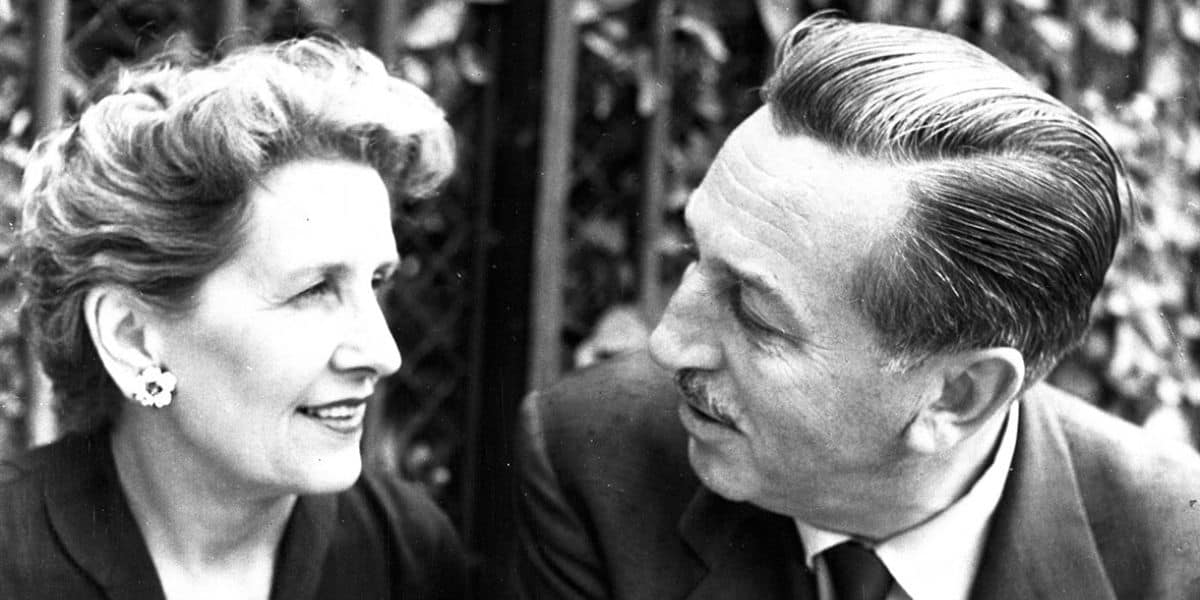
The end of the war shifted Disney’s focus to labor relations, especially as tensions within his studio rose. In 1941, Walt took a hard stand against unionization, ultimately firing several animators who were pushing for better working conditions.
This led to the infamous Disney animators’ strike, which reflected a growing rift between his anti-communist sentiments and the workforce at his studio. Following the strike, Disney accused many of his animators of being communists, resulting in some being blacklisted in the entertainment industry, particularly during the anti-communist hysteria spearheaded by figures like Senator Joseph McCarthy.
In 1947, Walt Disney escalated his involvement in anti-communist activities by testifying before the House Un-American Activities Committee (HUAC). His testimony not only marked his commitment to the anti-communist cause but also raised eyebrows about the lengths he would go to protect his studio and promote a patriotic narrative during a politically charged time.
The Secret Relationship with the FBI
The seeds of Disney’s secretive relationship with the FBI were planted in 1936. Following a friendly letter from J. Edgar Hoover, Disney began a covert partnership, offering information about potential communist influence in Hollywood. Over the next nearly three decades, this collaboration deepened, with Disney allegedly providing the names of individuals he suspected of engaging in subversive activities.

As the years passed, Walt’s contributions to the FBI grew, leading to his designation as a “Special Agent in Charge Contact.” This title indicated his trusted status within the Bureau, demonstrating the level of confidence the FBI had in him. Despite the ambiguity surrounding the specific information he provided, it was clear that he shared insights into Hollywood’s inner workings—aligning with Hoover’s goals of rooting out alleged communist elements.
This hidden liaison not only positioned Disney closely with federal agents but also intertwined his legacy with a politically charged agenda that raised ethical questions about artistic freedom and personal beliefs.
Impact on Disney Studios and Productions
Walt Disney’s connection with the FBI had notable repercussions for both his studio and broader productions. This partnership influenced the portrayal of federal agents in Disney’s films and television shows. Walt ensured that representations of the FBI in his works were polished and positive, reflecting his loyalty to the Bureau.
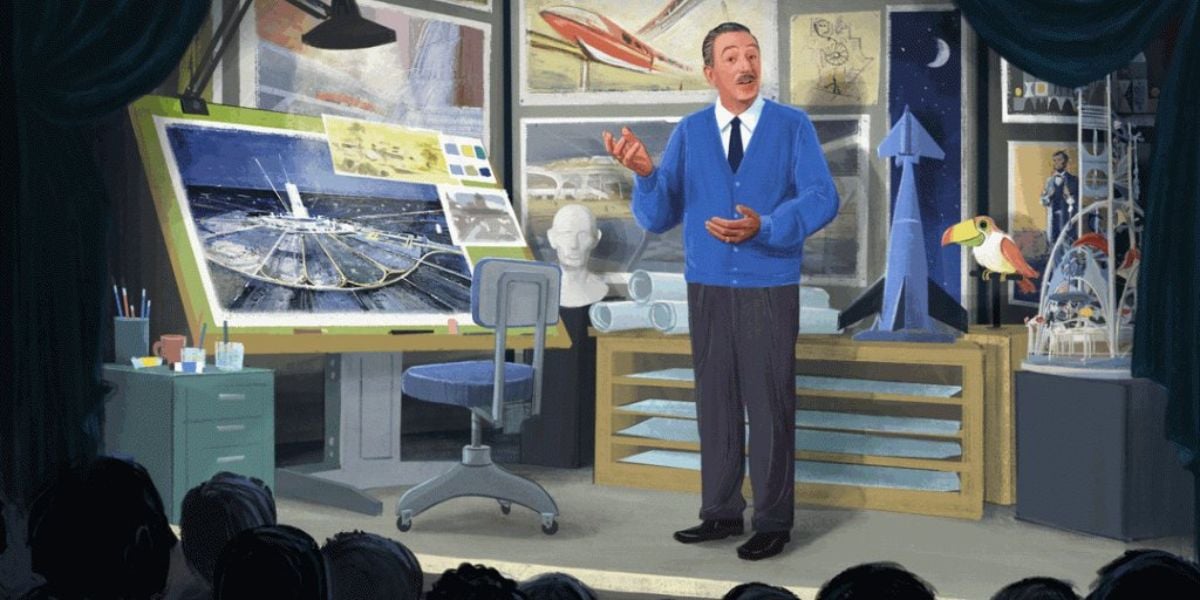
Moreover, the relationship provided additional perks for Disney and Hit Studio. FBI agents were granted free access to Disneyland, reinforcing a familial bond between the Bureau and the entertainment giant. This gesture emphasized Disney’s desire to present a favorable image of law enforcement while nurturing a mutually beneficial relationship that blurred the lines between film and real-life surveillance.
Yet, despite the gains, the ethical ramifications of being an informant in the politically charged atmosphere of the time cast a long shadow over Disney’s legacy. The ease with which he reported on associates and colleagues raises questions about personal integrity and artistic freedom amid a climate of suspicion and paranoia.
Legacy and Public Perception
The revelation of Walt Disney’s role as an FBI informant has drawn mixed reactions from the public and historians alike. While some view his actions as a manifestation of his commitment to country and patriotism, others critique the chilling effect such informants had on free expression during the anti-communist era. Many animators and creatives suffered due to accusations made by influential figures, such as Disney, fostering an environment where self-censorship thrived.

Contextualizing Disney’s actions within the historical framework of anti-communism reveals a broader narrative of fear and repression that prevailed during the 20th century. It invites reflection on how the entertainment industry navigated the tension between creative expression and political allegiance, ultimately raising questions about the actual cost of patriotism.
Walt Disney’s legacy remains complex; he is remembered both for his extraordinary contributions to American culture and for entanglements that render his narrative bittersweet. His role as an FBI informant adds a layer of complexity to the captivating tale of the man behind the magic, leaving both fans and critics pondering the implications of his choices in a rapidly changing America.