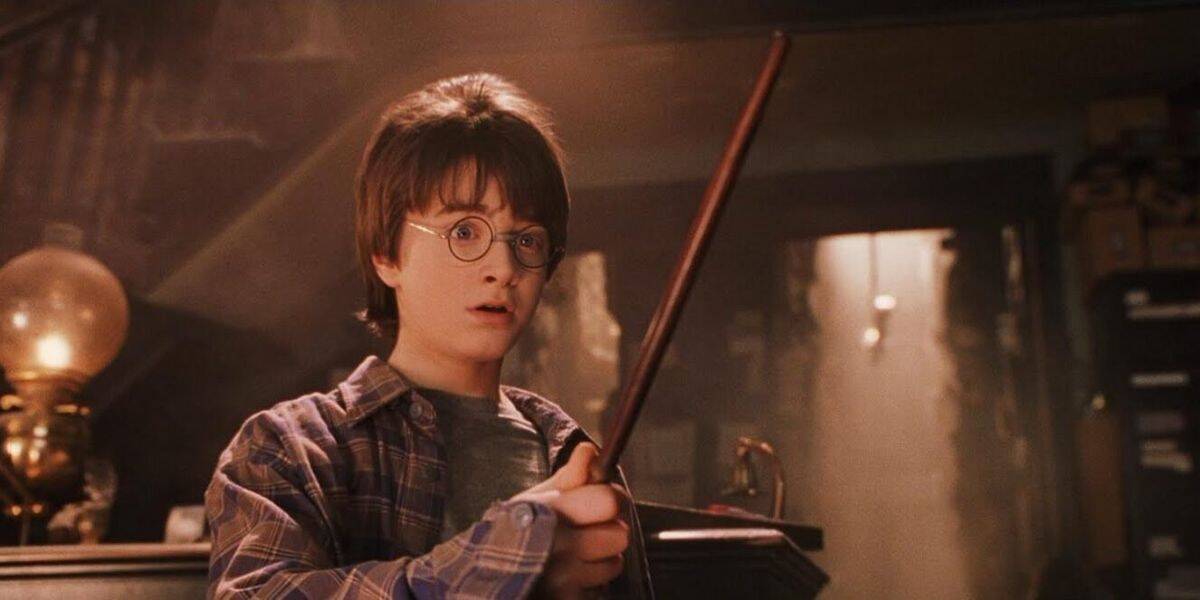
Viewers No Longer Able To Watch ‘Harry Potter’ Movies After Netflix Removal

Netflix’s relationship with the Wizarding World is shifting.

As 2025 came to a close, UK subscribers had to say goodbye to the Harry Potter films, with the entire eight-movie series leaving Netflix on December 31. Starting 2026, Potter fans in the region can no longer stream the franchise as part of their subscription.
While content rotations like this are common in the streaming landscape, the timing has drawn attention amid sweeping changes in Hollywood’s largest media companies.
The Harry Potter series, adapted from J.K. Rowling’s seven novels, debuted between 2001 and 2011 and became a landmark franchise of the 21st century. Over eight films, viewers followed Daniel Radcliffe’s Harry Potter from his first steps into the wizarding world to the climactic confrontation with Ralph Fiennes’ Lord Voldemort. Emma Watson and Rupert Grint’s performances as Hermione Granger and Ron Weasley helped anchor a cast that matured onscreen alongside its audience.
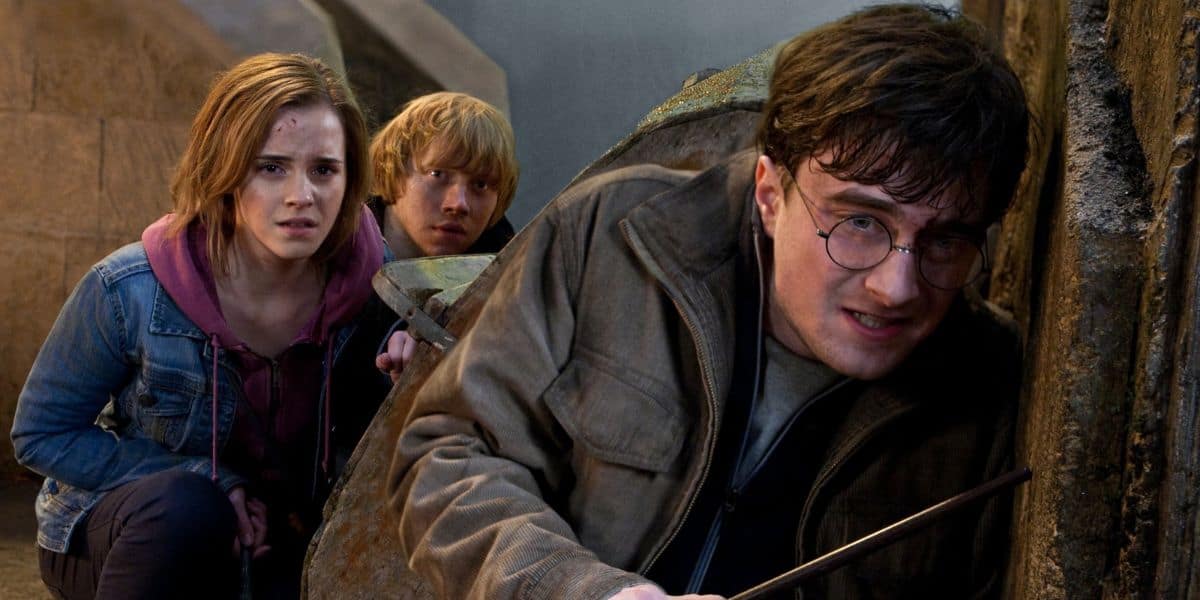
The franchise also evolved behind the camera. Directors Chris Columbus, Alfonso Cuarón, Mike Newell, and David Yates each left a unique imprint, gradually shifting the tone from lighthearted fantasy to darker, more complex storytelling. That evolution mirrored the characters’ growth and helped the films resonate across generations.
The series’ cultural and financial impact was massive. Harry Potter films earned more than $7.7 billion worldwide at the box office and drove billions in home entertainment sales, with DVDs and Blu-rays ranking among the top-selling physical releases ever. Beyond film, the Wizarding World expanded into stage productions like Harry Potter and the Cursed Child, the Fantastic Beasts series, and immersive theme park lands that continue to attract millions annually.
Universal’s Wizarding World attractions, in particular, have been credited with driving the largest attendance growth at Universal Orlando Resort since their opening, highlighting the brand’s reach beyond the screen.

Netflix’s UK removal is less about ending access and more about licensing strategy. The films regularly rotate between platforms depending on the region, with HBO Max and Peacock currently offering the series in the U.S. For properties of this scale, rotations help maximize both audience reach and IP value.
The timing coincides with Netflix’s ongoing $82.7 billion pursuit of Warner Bros. Discovery. If approved, the acquisition would bring Warner Bros.’ film and TV studios, alongside HBO, under Netflix’s umbrella following the planned separation of WBD’s linear networks in 2026. Corporate communications suggest Netflix sees franchises like Harry Potter as central to its long-term strategy.
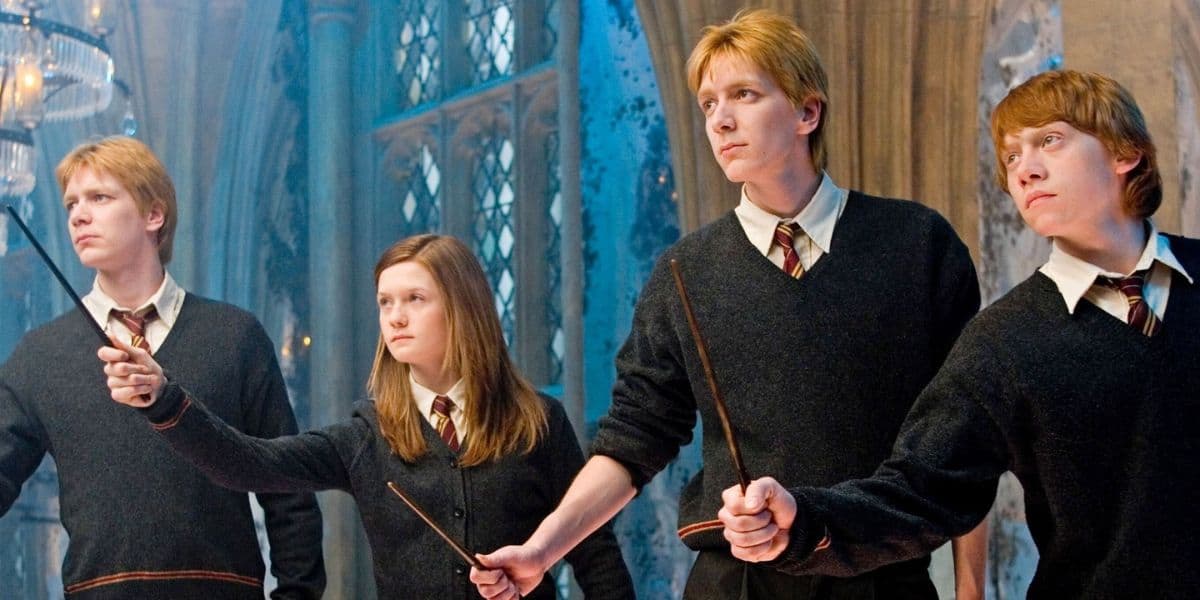
Recent internal documents reportedly list the Wizarding World alongside Netflix originals such as Stranger Things, signaling a commitment to preserving the brand. Executives have also confirmed plans to continue theatrical releases for these properties. Internal projections suggest that Wizarding World content will remain among the top five most-viewed legacy franchises globally for the next decade.
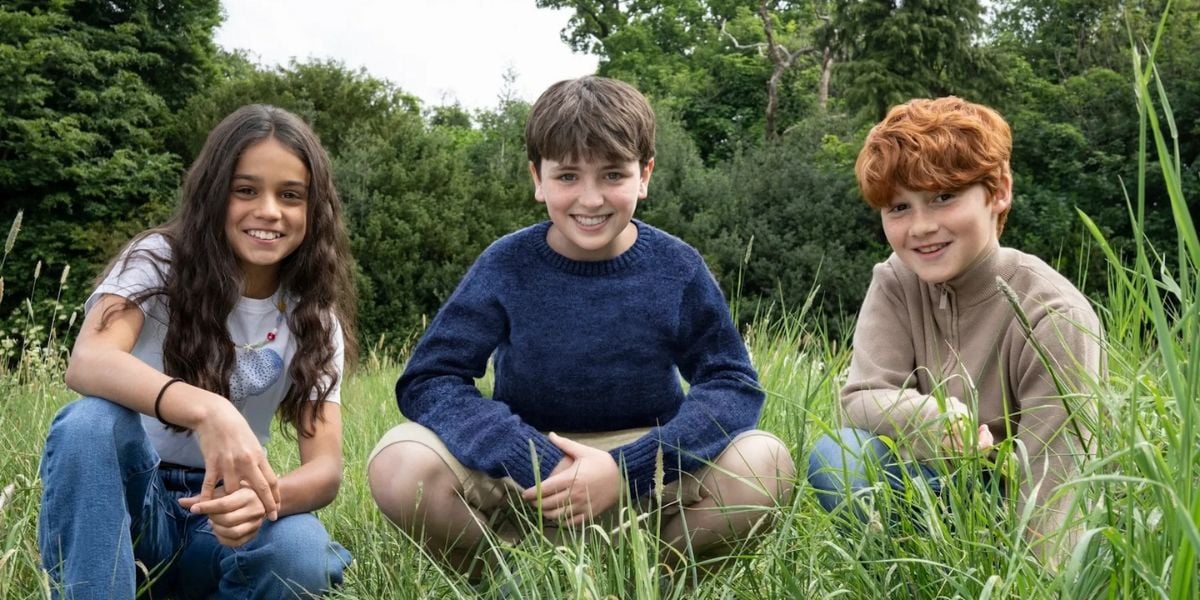
Much of that future rests with HBO’s Harry Potter series, set to debut in 2027. The adaptation is described as a decade-long, book-faithful project, with each season dedicated to a single novel. Cast announcements have named Dominic McLaughlin as Harry Potter, Arabella Stanton as Hermione Granger, and Alastair Stout as Ron Weasley, with John Lithgow taking on Albus Dumbledore.
One major role remains uncast: Lord Voldemort. According to insider Daniel Richtman, HBO may audition both male and female actors for the Dark Lord, a significant departure from Ralph Fiennes’ portrayal in the films. This has sparked widespread online discussion, especially given Voldemort’s fragmented early appearances—from disembodied voice to parasitic form. In 2001’s Harry Potter and the Sorcerer’s Stone, Ian Hart played his earliest incarnation on the back of Professor Quirrell’s head, leaving room for creative reinterpretation in a serialized format.
The HBO series’s longer runtime will allow exploration of elements the films could not fully explore, including Voldemort’s years as Tom Riddle and his eventual descent into darkness. Producers have promised to adapt previously omitted storylines, potentially including deeper looks at Hogwarts’ staff and wizarding politics.

For now, Netflix’s removal marks a temporary change rather than a permanent farewell. With mergers on the horizon, reboots in progress, and familiar stories being reimagined, Harry Potter continues to evolve, proving its enduring presence in popular culture.
How do you feel about how the Harry Potter franchise is playing out? Let us know in the comments below.