

For years, theme park fans have watched prices climb higher and higher.
A family vacation that once felt attainable can now require months of planning, careful budgeting, and difficult decisions about what experiences are worth the cost. Between tickets, hotels, food, transportation, and extras, even a single day at a major theme park can quickly become a significant expense.
That reality has become increasingly familiar to families across the country. It has also created a growing conversation among parents who want to introduce their children to theme parks without immediately committing to the kind of trip that can cost thousands of dollars.
Now, Universal is making a move that feels very different.
As the company continues celebrating the first anniversary of Epic Universe in Orlando, another major Universal project is preparing to welcome its first guests. But unlike the massive, ambitious destination park that opened last year, this newest venture is taking a much smaller—and potentially much smarter—approach.
Universal Is Betting Big on Families With Young Children
Beginning July 1, Universal Kids Resort will officially open in Frisco, Texas, marking the company’s first theme park designed specifically for younger children.
The concept is unlike anything Universal has attempted before.
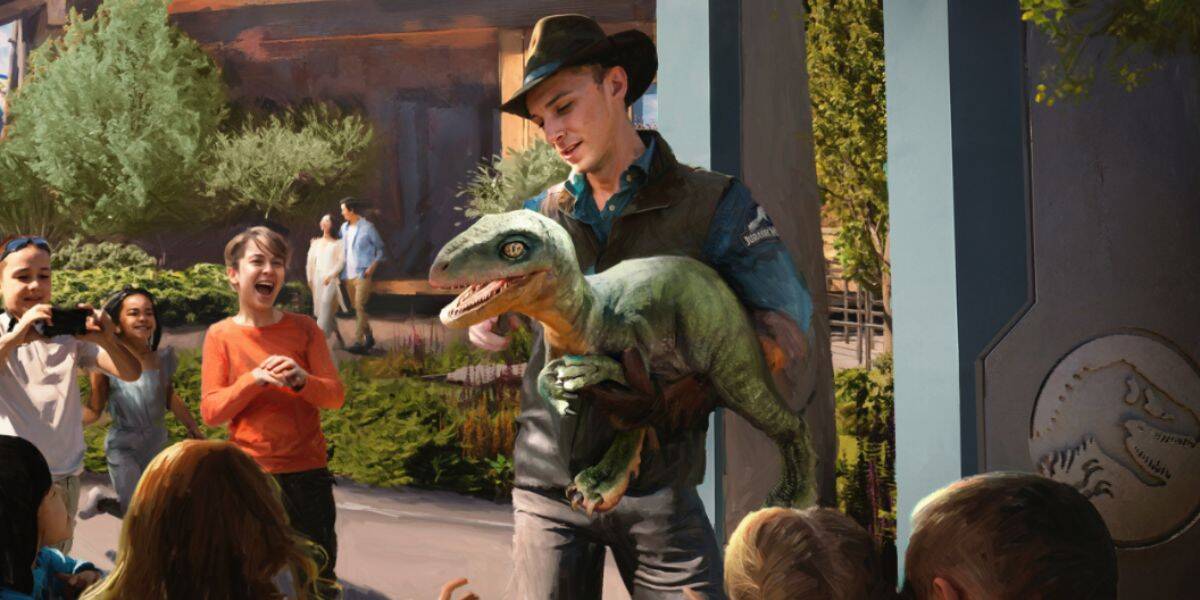
Instead of towering roller coasters, intense thrills, and attractions aimed at teenagers and adults, Universal Kids Resort focuses almost entirely on children between the ages of 3 and 8. The park features recognizable franchises that younger audiences already know and love, including Shrek, SpongeBob SquarePants, Minions, Jurassic World, Trolls, and Puss in Boots.
For many parents, that’s exactly the point.
Not every child is ready for high-speed launches, towering drops, or immersive horror-themed experiences. Universal appears to be creating an entry point—a place where young guests can experience theme park magic before graduating to larger destinations later in life.
And fans are already noticing something else that may be even more important.

The Ticket Price Is What Has Families Talking
While the themed lands and family-friendly attractions are generating excitement, the biggest surprise may be sitting right on the ticket page.
One-day admission starts at just $54 per guest.
In today’s theme park landscape, that’s a number that immediately stands out.
For comparison, admission to major destination parks can often exceed $100—or significantly more—before taxes and additional expenses are factored in. For larger families, those differences add up quickly.
What started as an announcement about a new park is now raising bigger questions about affordability.
Universal isn’t simply opening a smaller park. It’s introducing what appears to be the most cost-effective Universal theme park experience available in the United States.
For parents with young children, that dramatically changes the equation.
A Smaller Park May Actually Be Its Greatest Strength
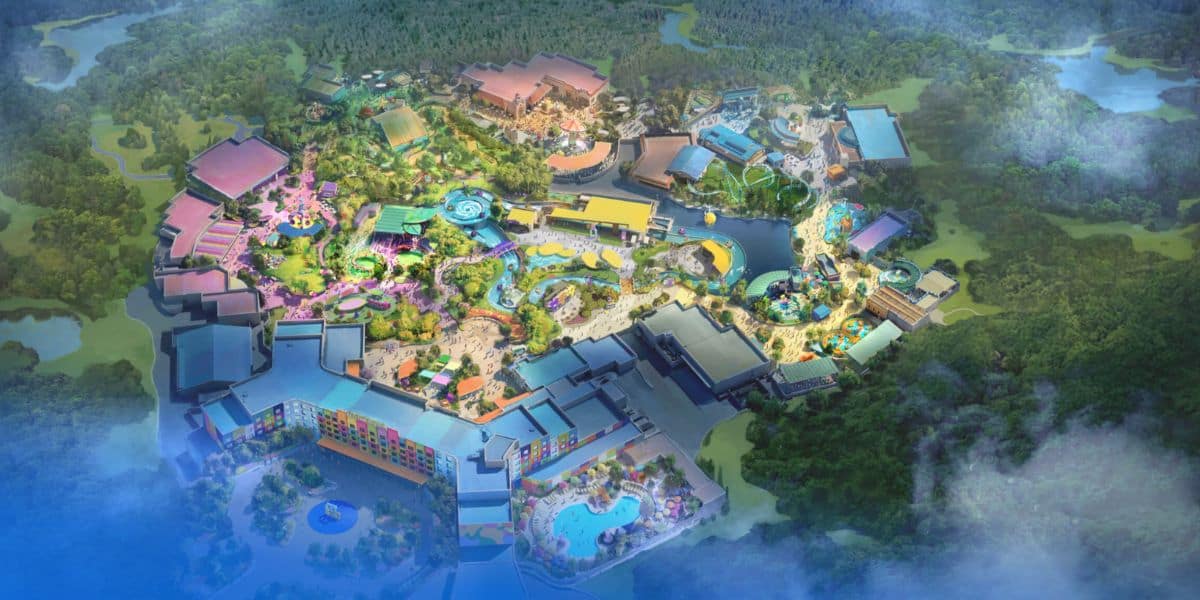
At approximately 20 acres, Universal Kids Resort is considerably smaller than Universal’s Orlando parks, each of which exceeds 100 acres.
Normally, smaller size might be viewed as a limitation.
In this case, it could become one of the park’s greatest advantages.
Parents with preschoolers and young children often aren’t looking for a week-long vacation filled with nonstop activity. In fact, many families know that younger kids can become overwhelmed by oversized parks, long walking distances, and packed schedules.
A one- or two-day experience may actually be the sweet spot.
Guests can explore the entire resort without feeling rushed, children can experience multiple attractions without exhausting themselves, and parents may avoid some of the stress that often comes with larger destination vacations.
Combined with the lower admission price, the experience starts to feel much more approachable.

Universal May Be Building Its Future Audience
The timing of this project feels especially significant.
Universal is coming off one of the most important periods in its history, with Epic Universe dramatically expanding the company’s footprint in Orlando and intensifying competition throughout the industry.
But Universal Kids Resort isn’t trying to compete with Epic Universe.
Instead, it appears to be targeting something entirely different: first-time theme park fans.
A four-year-old who falls in love with Minions today could become the teenager riding Harry Potter attractions tomorrow.
The child meeting characters in Texas this summer may eventually become the adult planning annual vacations to Orlando or Hollywood.
That’s what makes this project particularly fascinating from a business perspective.
Universal isn’t simply selling a day at a theme park. It’s potentially creating the first chapter of a lifelong relationship with its brand.

This Could Signal a Bigger Industry Shift
The success or failure of Universal Kids Resort may have implications far beyond Texas.
Theme parks across the industry are facing increasing scrutiny over costs, accessibility, and value. Families are becoming more selective about where they spend their vacation dollars, especially as economic pressures continue to influence travel decisions.
A $54 starting ticket sends a message.
It suggests there is still room in the market for experiences that feel premium without feeling financially overwhelming.
Guests are already reacting positively to the affordability factor, and if attendance meets expectations, other operators may begin paying close attention.
For longtime theme park fans, this feels significant.
Universal has spent years competing through bigger attractions, larger investments, and headline-grabbing expansions. This time, the company may be generating excitement through something much simpler: accessibility.
As July 1 approaches, all eyes will be on Frisco to see whether families embrace Universal’s newest experiment. If they do, the biggest story may not be the rides, characters, or themed lands at all. It may be proof that in an era of rising costs, affordability itself has become one of the most powerful attractions a theme park can offer.




My husband and me are seniors but I kind of want to go to this park on are way to California in 2028.