Tron: Ares is heading to Disney+ on January 7, 2026, and the speed of this streaming release tells you everything you need to know about how badly the film performed in theaters. When a movie arrives on streaming this quickly after theatrical release, it means the studio has given up on making any more money from ticket sales and is cutting its losses.
The numbers are pretty brutal. Tron: Ares earned $142 million worldwide during its theatrical run. That might sound respectable until you learn the film cost approximately $348 million to make. Disney lost a staggering amount of money on this sequel that was supposed to breathe new life into the Tron franchise.
Why Nobody Went to See Tron: Ares
Several factors combined to create the perfect storm of box office failure for Tron: Ares. Understanding why the film flopped so dramatically requires examining the franchise’s history, creative decisions, market conditions, and audience behavior.
The Tron franchise has never been a major commercial powerhouse despite its cultural influence. The original 1982 film initially performed poorly upon its release, but it later became a cult classic, appreciated for its groundbreaking visual effects and impact on science fiction aesthetics. Tron: Legacy, released in 2010, performed significantly better at the box office and seemed to set up a future for the franchise, with characters Sam Flynn and Quorra positioned for further adventures.
However, Tron: Ares arrived far too late to capitalize on whatever momentum Legacy had built. More problematically, the new film shifted focus to Jared Leto’s Ares character instead of continuing the story threads Legacy had established. Fans who wanted to see what happened next with Sam and Quorra were left disappointed by the creative direction.
Another fundamental issue is that there wasn’t actually a Tron character in Tron: Legacy, also known as Tron: Ares. Making a Tron movie without Tron feels like a fundamental misunderstanding of what the franchise is supposed to be about. This problem also existed in Tron: Legacy, where Rinzler was technically Tron, but in a corrupted form rather than the hero audiences remembered.
Economic conditions played a significant role as well. Inflation has made theatrical moviegoing an expensive proposition for many families. With the holidays approaching when the film released, audiences were selective about which movies justified spending limited entertainment budgets. Tron: Ares wasn’t generating the kind of positive buzz that makes people feel they need to rush to theaters.
Disney also bears some responsibility for training audiences to wait for streaming. The company’s strategy of moving theatrical releases to Disney+ relatively quickly has taught subscribers that patience pays off. Unless a film feels absolutely essential to experience in theaters immediately, many people now default to waiting a few months for home viewing availability.
The Magic Kingdom Tron: Ares Tie-In
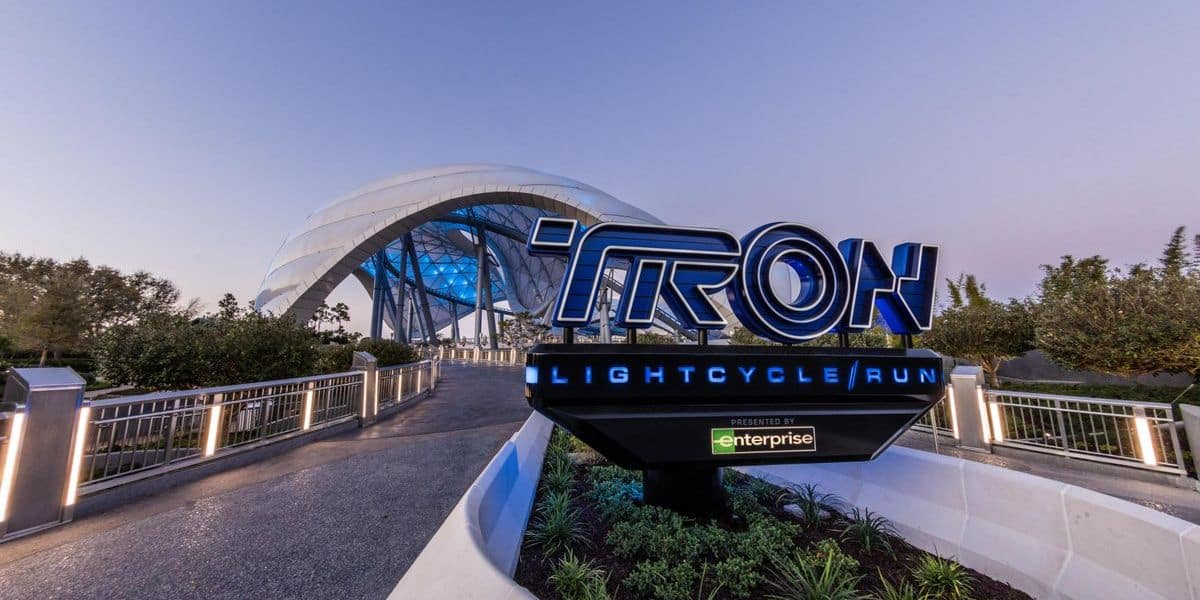
Disney attempted to generate excitement for Tron: Ares by creating a special overlay at the Tron Lightcycle / Run attraction in Magic Kingdom—the overlay launched in September 2025, coinciding with the film’s theatrical release.
The transformation was dramatic. The attraction’s signature blue and white aesthetic was replaced with a deep crimson red and black. The lighting throughout the ride shifted to match the darker tone of the new film. Most notably, the soundtrack transitioned from a Daft Punk-inspired score to a Nine Inch Nails mix. Complete with new Master Control narration.

According to cast members working at the attraction, the Tron: Ares overlay is scheduled to end in January 2026, though an exact date hasn’t been confirmed.
The rapid removal of the overlay signals that Disney recognizes the film’s failure and sees no benefit in maintaining promotional theming for a property that bombed at the box office. When a tie-in overlay gets pulled this quickly, it’s a clear sign the associated film didn’t perform as hoped.
What the Disney+ Release Means
The January 7 streaming debut on Disney+ serves as an important test for whether Tron: Ares has any audience at all. There are two possible outcomes, each with different implications for the franchise’s future.
If the film performs well on Disney+, generating strong viewership numbers and sustained engagement, it would suggest that audience interest exists, but people weren’t willing to pay theatrical prices for this particular film. That scenario would mean the property still has potential value for Disney even if theatrical releases aren’t viable.
However, if streaming performance proves equally disappointing, it would suggest that audiences no longer care about Tron. That outcome would likely mark the end of the franchise. Disney would have no incentive to invest further in a property that can’t attract audiences in any format.
The Bigger Picture
Tron: Ares represents an expensive lesson for Disney about franchise management, audience expectations, and the risks of delayed sequels. Waiting too long between installments allowed whatever momentum Tron: Legacy had built to dissipate. Making creative decisions that ignored what fans wanted alienated the core audience that might have supported the film.
The box office disaster, combined with negative reviews, means Tron: Ares will be remembered as one of the biggest theatrical failures in recent years. The move to Disney+ allows the film to provide some content value for subscribers, even if it failed as a theatrical release.
Whether the Tron franchise has any future likely depends on how Tron: Ares performs on streaming. For now, the film serves as a cautionary tale about the challenges of reviving dormant franchises and the importance of understanding what audiences actually want.