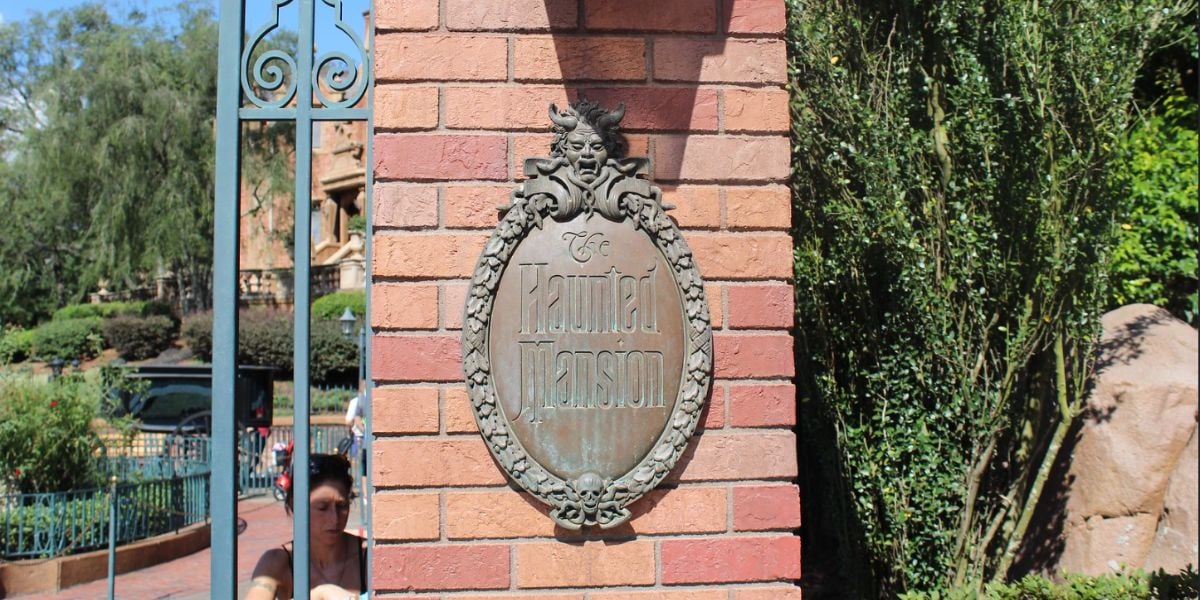
For decades, Walt Disney World was a place where Disney Imagineers built entire worlds out of thin air. A new attraction didn’t need a box-office blockbuster or a famous cartoon character attached to it. All it needed was a brilliant concept, immersive storytelling, and a sense of wonder. Guests could step into an original story—whether navigating spooky corridors with 999 happy haunts or journeying through human imagination—without knowing a single thing about the plot before entering the queue.
Today, theme park fans are witnessing the end of an era. It has been two decades since Walt Disney World opened a major ride that was not based on existing intellectual property (IP). As Disney leans heavily into cinematic franchises like Star Wars, Marvel, Pixar, and Frozen, a fascinating question emerges: Will Disney World ever build an original, non-IP ride again?
To understand how Disney’s creative philosophy shifted, we have to look back at the history of non-IP rides and why one 2006 mountain coaster changed everything.
When Disney World Didn’t Need Movies to Sell Rides
When Magic Kingdom opened in 1971, many of its most iconic attractions were built entirely from scratch. Haunted Mansion created its own supernatural mythology, while Jungle Cruise transported guests into an exotic wilderness adventure. A few years later, Space Mountain turned cosmic travel into an instant thrill classic, and Pirates of the Caribbean proved that a park concept could eventually inspire a movie franchise.

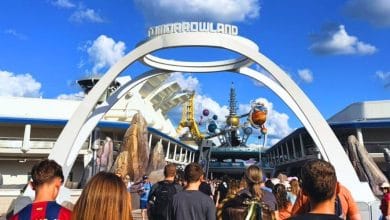
Concept-first storytelling reached its peak with the opening of EPCOT Center in 1982. EPCOT was built on the radical idea that education, science, and human achievement could be captivating entertainment. Rides like Spaceship Earth, Horizons, World of Motion, and Living with the Land didn’t rely on familiar characters. Instead, the subject matter itself was the main draw. Imagineers dared guests to dream about the future and marvel at human progress.
Even when Disney opened Disney-MGM Studios in 1989 and Animal Kingdom in 1998, original storytelling remained central. Attractions like The Twilight Zone Tower of Terror and Rock ‘n’ Roller Coaster used licensed concepts to tell original park stories. Meanwhile, Animal Kingdom debuted with Kilimanjaro Safaris and Countdown to Extinction (later DINOSAUR), proving that real-world wildlife and prehistoric adventures didn’t need animated mascots to draw massive crowds.
Expedition Everest: The End of an Era
In April 2006, Imagineers unveiled what would become a major historical marker in theme park design: Expedition Everest – Legend of the Forbidden Mountain at Disney’s Animal Kingdom.

Expedition Everest wasn’t tied to an animated classic or a live-action film. There was no pre-existing Yeti character sitting on store shelves waiting for a ride tie-in. Instead, Imagineers spent years researching Himalayan culture and engineering to build an original mythological adventure.
Expedition Everest was a massive success. Yet, more than 20 years later, it stands as the last major ride at Walt Disney World built without an established IP foundation. What was intended to be the next chapter in Imagineering history ultimately became a dividing line.
The Rise of the “IP Era”
Following Expedition Everest, Disney’s strategy shifted dramatically toward leveraging high-profile animated classics and blockbuster acquisitions across its theme parks.
The transition accelerated rapidly across all four parks:
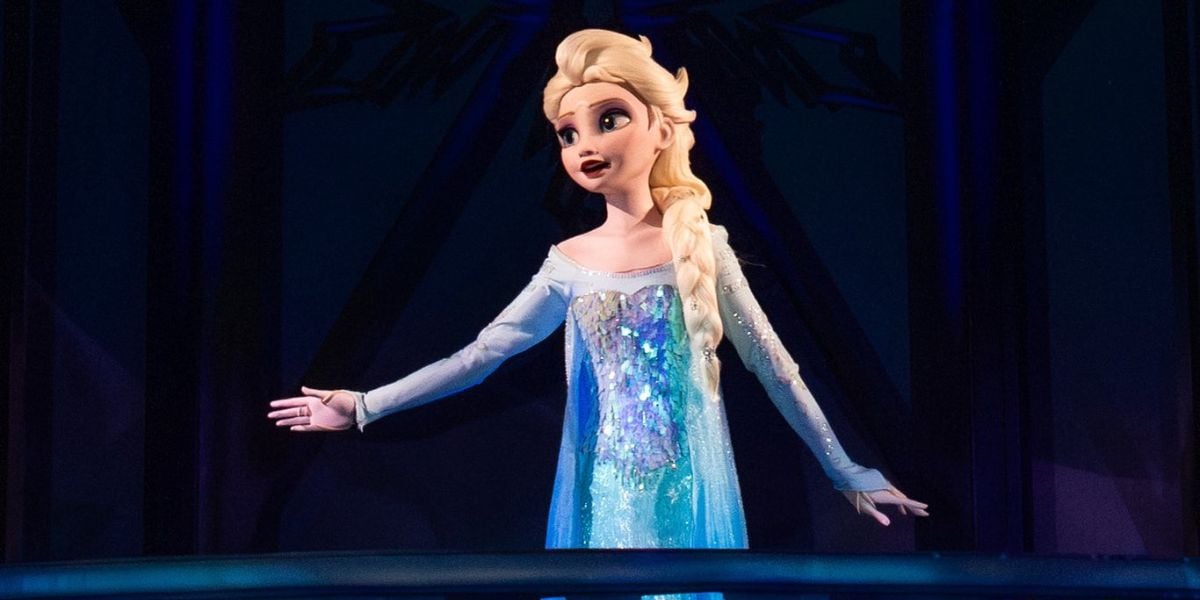
- EPCOT: Frozen Ever After replaced Maelstrom in Norway, bringing Arendelle into World Showcase.
- Disney’s Hollywood Studios: Entire lands were constructed around mega-franchises, including Toy Story Land and Star Wars: Galaxy’s Edge.
- Active Expansion Projects: Animal Kingdom’s Tropical Americas land features Encanto and Indiana Jones; Magic Kingdom is adding a Cars area and Villains land; and Hollywood Studios is receiving a Monsters, Inc. land.
Original Story vs. Original IP
Disney hasn’t stopped telling original stories. Many modern attractions tell new stories created specifically for theme parks. However, there is a key difference between an original story and an original IP:
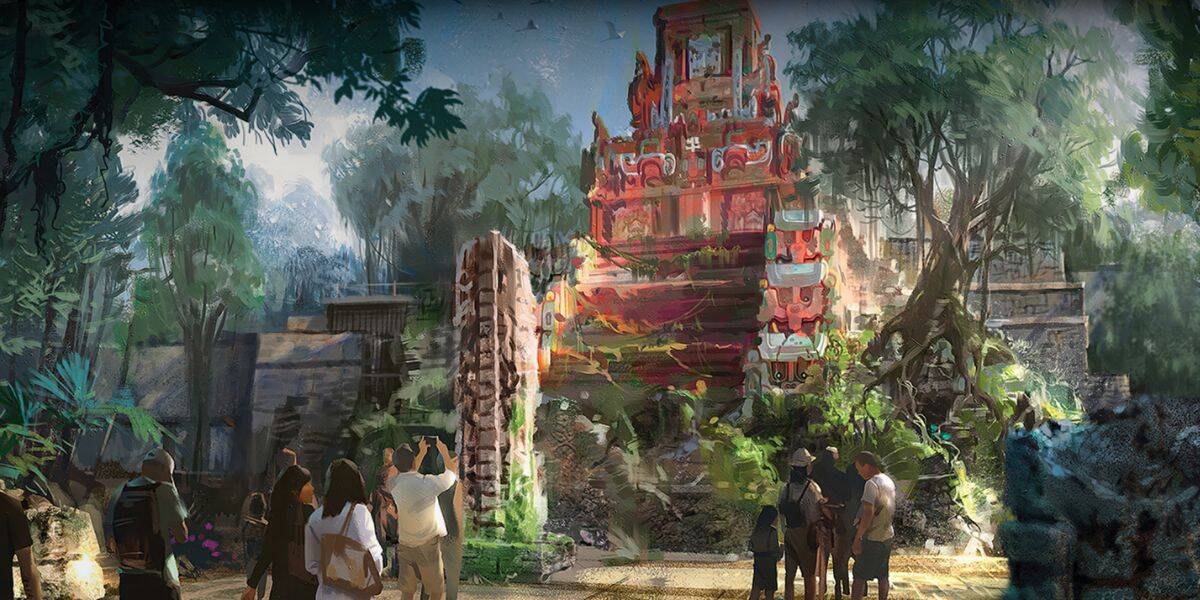
- Original Story with Existing IP: The planned Indiana Jones ride at Animal Kingdom tells a brand-new storyline, but uses a character audiences have known for decades.
- Original IP: An attraction like Expedition Everest or Haunted Mansion requires Imagineers to build the setting, lore, and characters entirely from scratch.
When Disney builds an IP-based attraction, it starts with a built-in audience. Announce a Cars or Monsters, Inc. ride, and guests instantly understand the world before a single piece of track is laid. A completely original concept requires Disney to convince guests to care about a story they have never heard before.
Will Disney Ever Go Back?
Building rides anchored in established franchises has produced some of the most technologically advanced park experiences in history. Yet, the 20-year gap since Expedition Everest highlights a profound shift in theme park design philosophy.
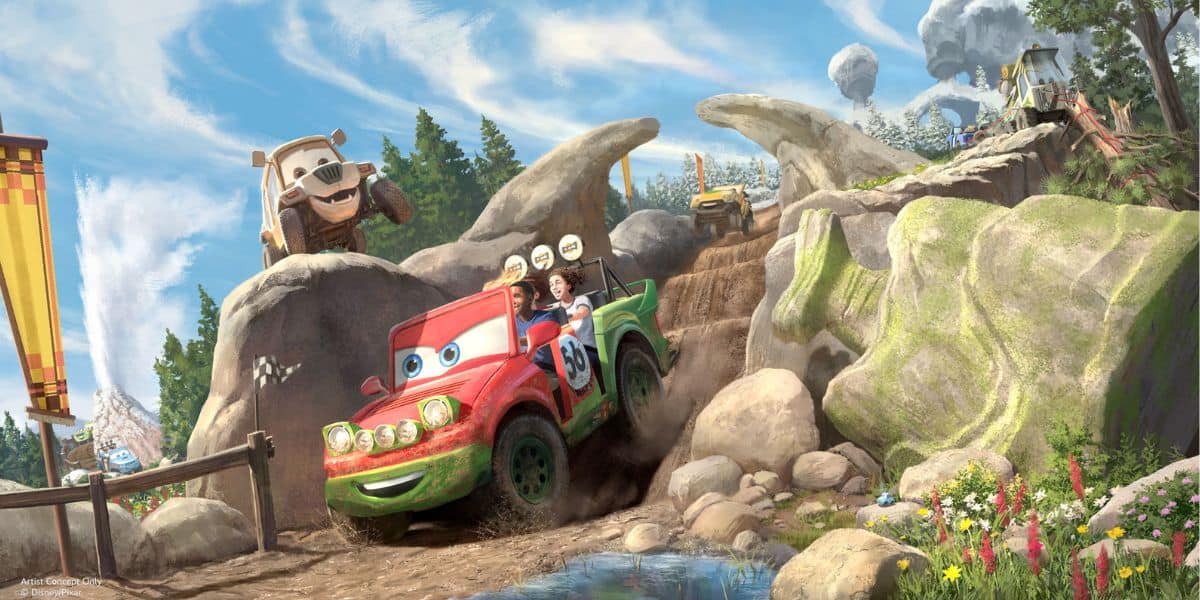
Where Imagineers once created rides that grew into beloved movies, Disney now relies on movies to anchor its rides. While the era of the standalone, non-IP theme park ride may seem like a relic of the past, classic original attractions remain fan favorites. They remind us of a time when a theme park ride didn’t need a film franchise to become immortal—it just needed a great big, beautiful idea.