Taylor Sheridan Is Doing What Netflix Couldn’t With ‘Stranger Things’

For years, Netflix built its reputation on one simple promise: if you invested in a show, you wouldn’t be left waiting forever to see how the story continued. That model helped turn Stranger Things (2016) into one of the defining television series of its era. Each season felt like an event, but the wait between them was still short enough to keep the momentum alive.
That rhythm slowly disappeared.
By the time Stranger Things reached its final season, the long gaps had become part of the story. Years passed between chapters. Actors visibly aged. Younger characters no longer fit the roles they had started in. And for many fans, the excitement that once came naturally had turned into something closer to exhaustion.

The backlash that followed the finale was about more than just the ending. It was about the process. About how long it took. About whether Netflix still knew how to manage its biggest projects.
And then there’s Taylor Sheridan.
While Netflix struggled to deliver one season of its flagship series on time, Sheridan was quietly building a production model that looks almost radical by today’s standards: yearly releases.
His series Landman (2024) has followed a near clockwork schedule. Season 1 arrived in November 2024. Season 2 followed in November 2025. Season 3 is expected to film in 2026 and release that same year. Three seasons in three years, in an industry where multi-year gaps have become normal.
What makes this more striking is how Sheridan works. He writes every episode himself. He oversees multiple shows across different networks. He manages a production pipeline that most studios claim is no longer realistic in the modern streaming era.
Yet he delivers.
That contrast is uncomfortable for Netflix.
This is not a budget problem. Netflix has more money than almost any entertainment company in history. It is not a talent problem. Netflix works with elite writers, directors, and actors. It is not a technology problem. Netflix helped invent the streaming model itself.
It is a coordination problem.
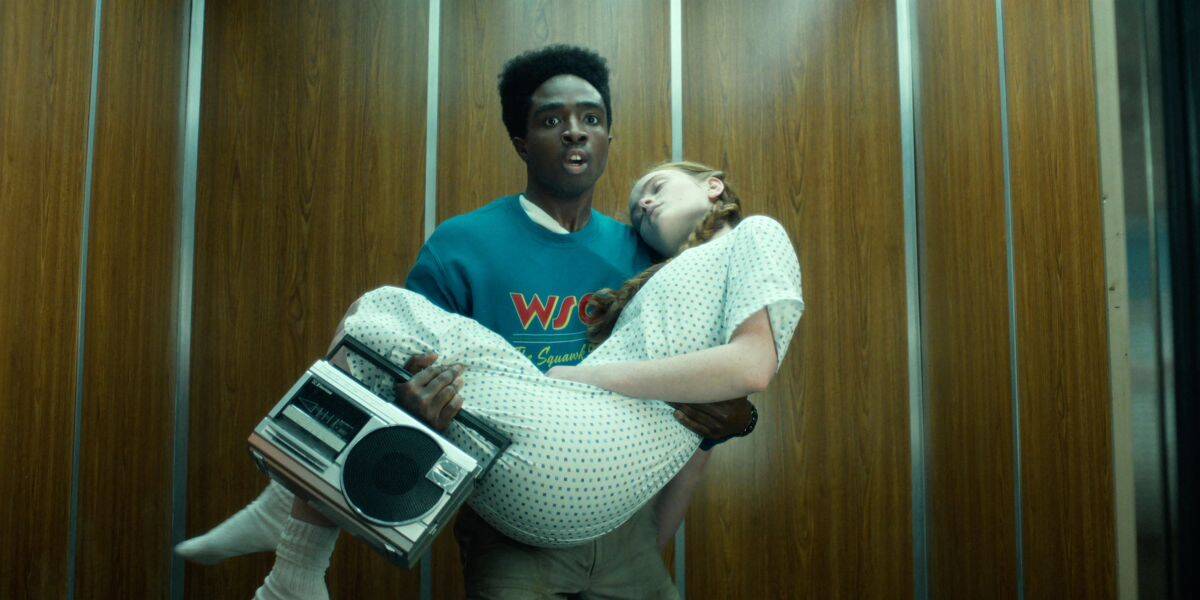
Somehow, one creator managing several series is outperforming a global corporation on the most basic expectation audiences have: finishing the story on time.
The long delays hurt Stranger Things in ways that went beyond scheduling. They weakened continuity. They diluted emotional investment. They raised expectations so high that no ending could realistically satisfy everyone. By the time the final season arrived, many fans were bracing for disappointment rather than celebrating a return.
Sheridan’s approach avoids that trap. Annual releases keep narratives tight. Characters stay consistent. Audiences remain connected. Momentum carries forward instead of needing to be rebuilt from scratch every few years.
He didn’t call out Netflix. He didn’t criticize its leadership. He simply built a system that works.
And in doing so, he has shown what Netflix once did better than anyone else.
Deliver the story before the audience gives up waiting.