Sony Brings Popular ‘Spider-Man’ Project to Unexpected End, Cancels Future Plans

For a long time, Sony’s relationship with Marvel has felt a little complicated from the outside. Marvel Studios built the MCU into a machine, while Sony kept trying to shape its own Spider-Man-related universe beside it. That led to a mix of projects that didn’t always need Peter Parker front and center, giving Sony room to experiment in ways Marvel usually doesn’t.
Some of those experiments are connected. Some clearly didn’t. That uneven track record has been part of the story for years now, especially as fans tried to figure out what Sony’s long game actually was.
Now, though, the picture is getting clearer. One of Sony’s most successful Spider-Man stories is heading toward its finish line, and that says a lot about where the studio seems to be heading next.
Not Every Gamble Landed
Before Sony found its strongest footing, it spent years testing different corners of the Spider-Man mythos. The idea made sense. Spider-Man has one of the deepest supporting worlds in comics, so branching out should have given the studio a lot to work with.
Still, execution proved to be the problem. Kraven the Hunter (2024) and Madame Web (2024) were both supposed to push the larger universe forward, but neither became the kind of breakout hit Sony likely wanted. Instead, both movies became reminders that building around Spider-Man characters without Spider-Man himself can be a tricky sell.
Fans and critics both seemed to come away with similar concerns. The tone never fully settled in, the stories didn’t always feel locked in, and the emotional core that usually makes Spider-Man stories click just wasn’t as strong. Once those projects struggled, Sony had even more reason to focus on the parts of this franchise that had already proven themselves.

One Part of the Brand Rose Above the Rest
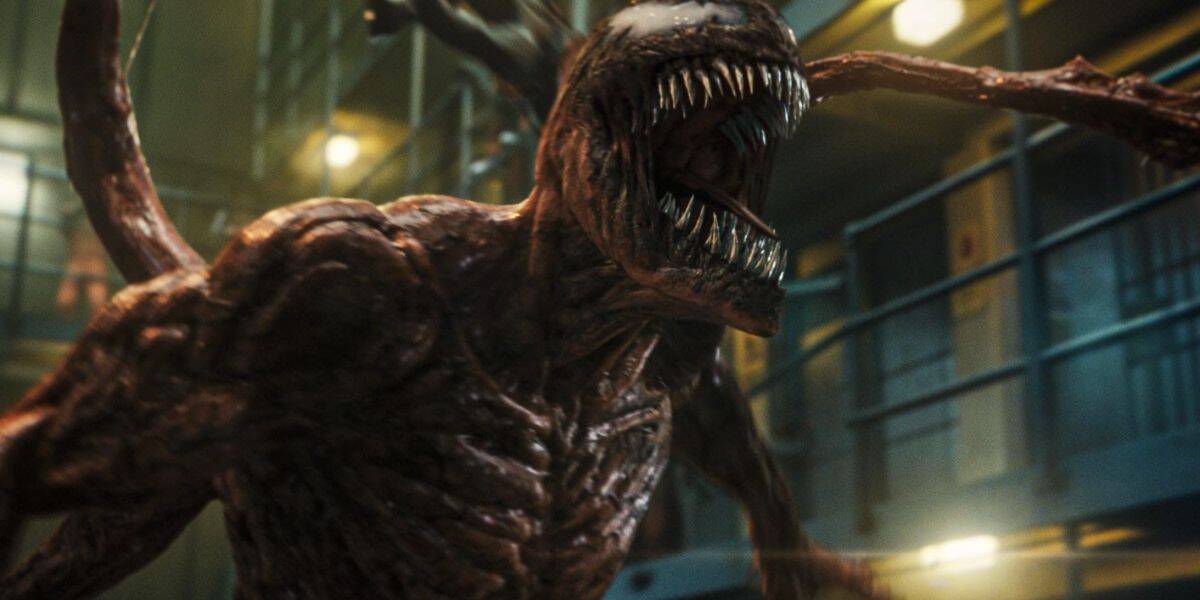
Sony did find real success in live action with the Venom movies. Venom (2018) gave the studio a commercially viable antihero franchise, and Venom: Let There Be Carnage (2021) kept that momentum going. Those films had a strange, messy energy that audiences seemed willing to go along with, even when the reviews were mixed.
But animation ended up being the real standout.
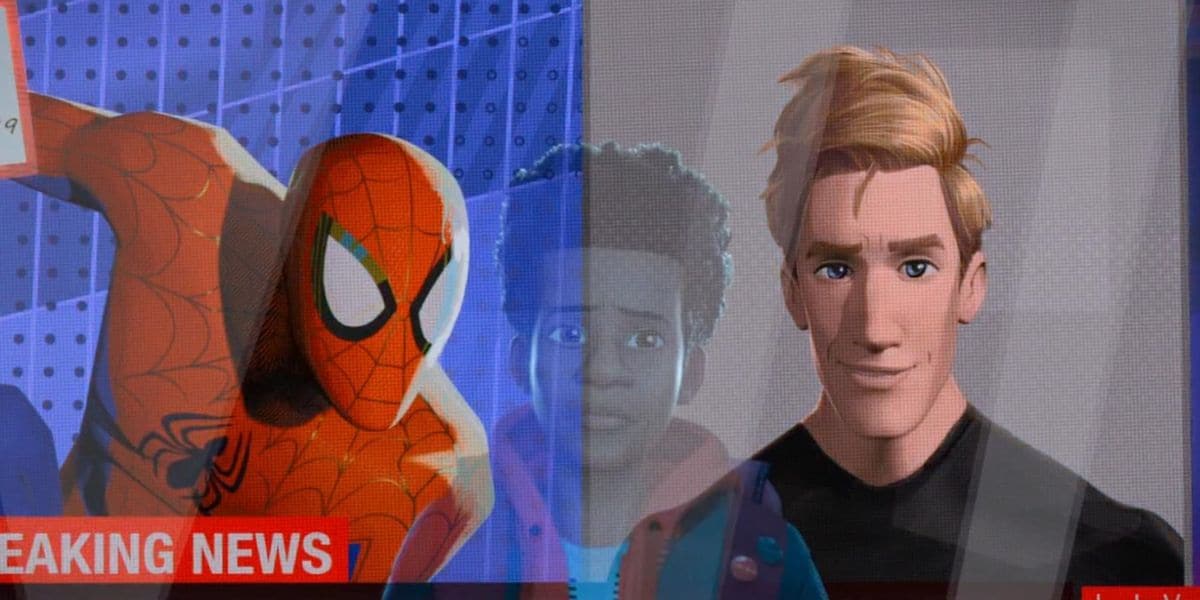
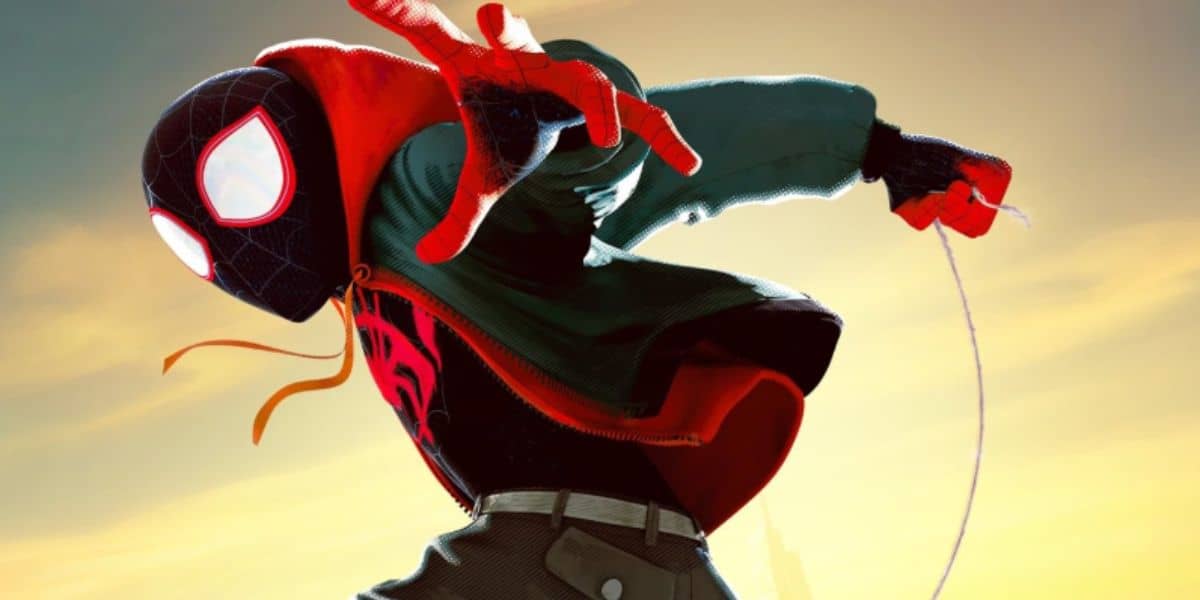
That changed with Spider-Man: Into the Spider-Verse (2018), a movie that immediately felt different from nearly every other superhero film at the time. It introduced Miles Morales, embraced a daring visual identity, and told a story that felt personal while still huge in scope.
Sony followed that up with Spider-Man: Across the Spider-Verse (2023), which expanded the world in a much bigger way. The sequel went even further with its character work, its scale, and its emotional stakes. By that point, Spider-Verse didn’t just look like a success. It looked like Sony’s clearest creative win.
The Core Story Is Reaching An Abrupt End
That’s why this latest update matters.
Sony has made it clear that Spider-Man: Beyond the Spider-Verse (2027) will close out this era of the franchise. During a conversation on the “Happy Sad Confused” podcast, producers Phil Lord and Chris Miller confirmed that the upcoming film will serve as the end of the Miles Morales trilogy.
That framing matters. Sony is not walking away from Spider-Verse altogether, but it is bringing this main storyline to a close. After following Miles from his first leap into this universe back in 2018, fans now know this third film is being built as the final chapter of that specific arc.
In other words, Sony is ending the trilogy that turned Spider-Verse into a phenomenon in the first place.
What Comes Next Won’t Look the Same
Even with Miles’ trilogy wrapping up, Sony still has more Spider-Man stories on the table. The difference is that the studio seems less interested in continuing a single central narrative and more in branching out.
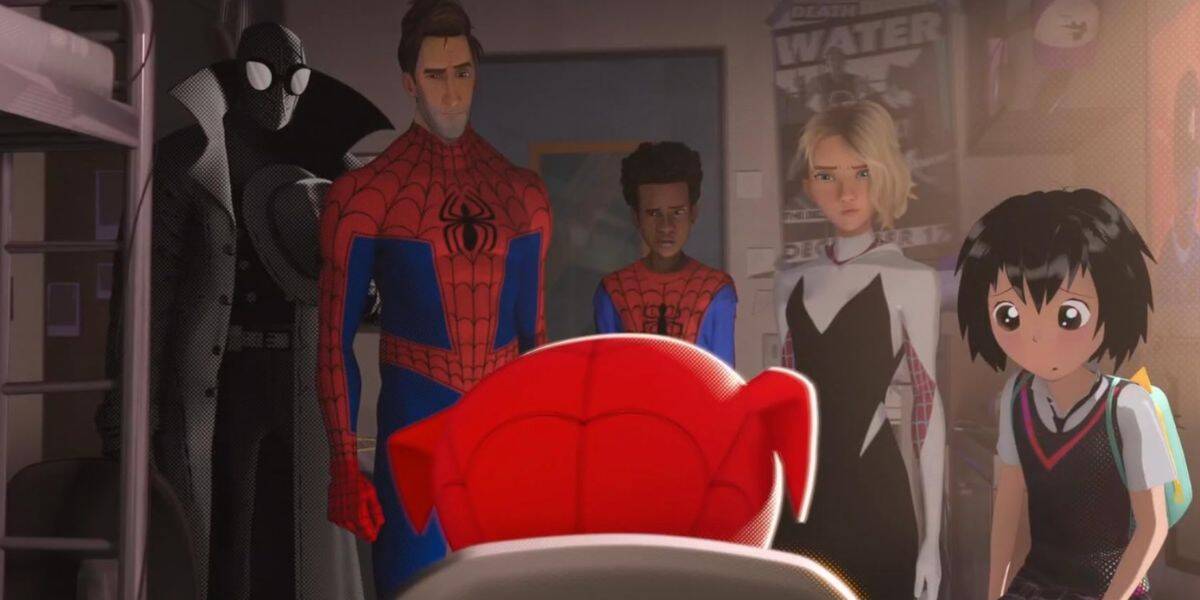
That includes the upcoming Spider-Noir series starring Nicolas Cage as Ben Reilly. It arrives on Amazon Prime Video on May 27, 2026. Sony is also developing spinoff films for Spider-Gwen and Spider-Punk. Both characters became fan favorites during the animated run.
This shift gives Sony more flexibility. It can keep the Spider-Verse brand alive while testing different tones, leads, and styles. Miles may no longer lead the franchise in the same way. However, the Multiverse setup allows him to still appear in future stories. That depends on how Spider-Man: Beyond the Spider-Verse (2027) ends. The same applies to his connection with Gwen. Their relationship has become one of the trilogy’s strongest emotional threads.
Sony Still Has Plenty in Motion
Spider-Verse isn’t the only thing on Sony’s Spider-Man calendar. The studio is still working with Marvel Studios on Spider-Man: Brand New Day (2026), which is set to arrive this July with Tom Holland returning as Peter Parker.
Taken together, that says a lot about Sony’s current approach. The fans still want both animated and live-action Spider-Man stories. Fans also still crave streaming projects. All Sony is changing is the structure.
So while one major chapter is ending, Sony clearly isn’t done. It’s just moving into a new phase—one that may be broader, riskier, and a lot less centered on a single hero.