Theme Park Safety Crisis: Major Cedar Point Attraction Shut Down After Flying Metal Debris Follows Fatal Six Flags Incident

The unwritten rule of theme parks has always been simple: visitors trade fear for absolute mechanical safety. But that foundational trust is facing unprecedented strain across Six Flags Entertainment Corp. properties. Following a horrific fatality at a flagship southern location, corporate executives are navigating a nationwide public relations and safety emergency. The crisis deepened when Cedar Point, one of the corporation’s premier destinations, was forced to abruptly ground one of its record-breaking mega-coasters after metal debris flew off the ride during operation.
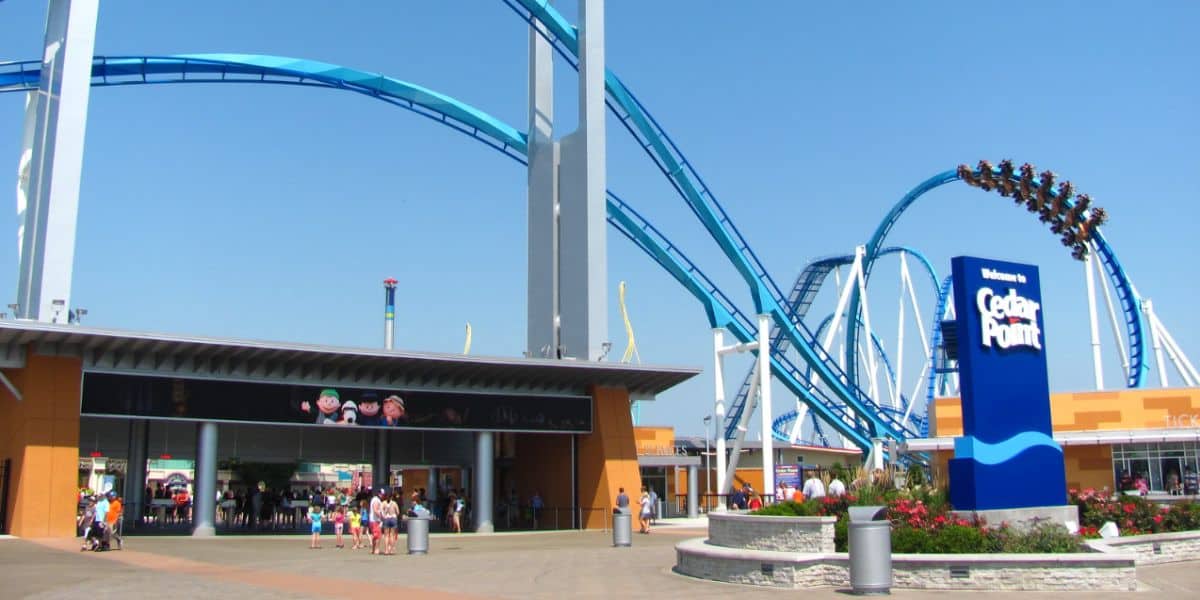
The swift succession of incidents has sparked nationwide concern, prompting visitors and safety regulators to question whether current inspection standards and maintenance practices are keeping pace with passenger safety.
The Six Flags Over Georgia Fatality That Shocked the Industry
To grasp the intense focus on theme park operations today, one must examine the tragedy that occurred just days earlier at Six Flags Over Georgia in Mableton, Georgia.
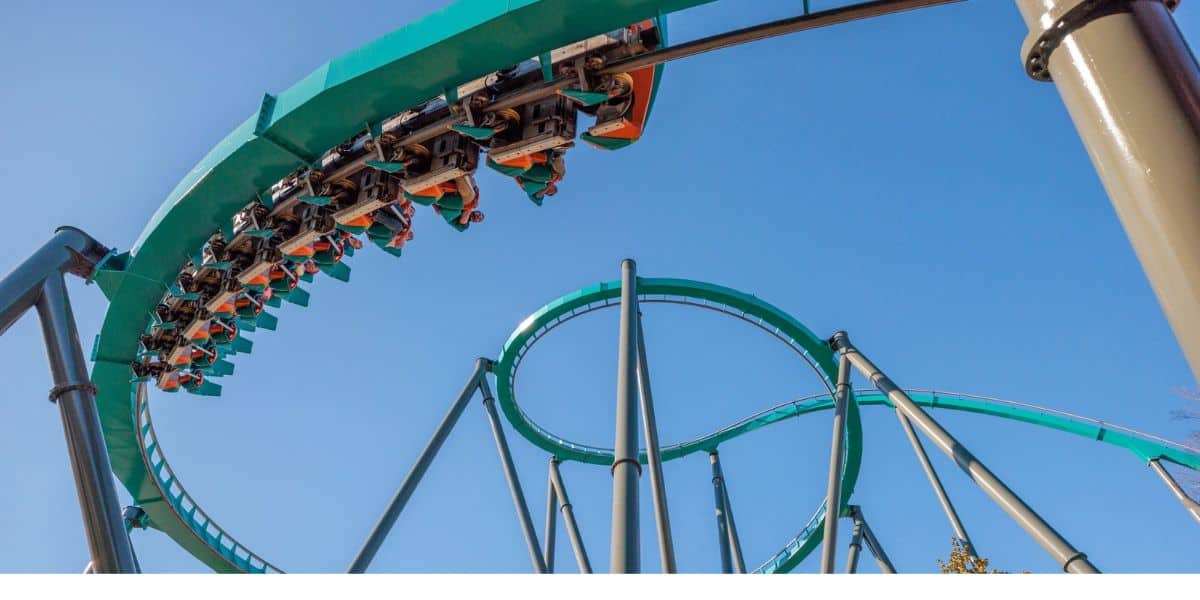
What began as a standard day of entertainment turned catastrophic on the park’s signature 200-foot-tall hyper-coaster, Goliath. According to local police reports and eyewitnesses, 42-year-old Hassan Jihad Ibn Kariem suffered a fatal incident while aboard the high-speed ride. Witnesses recounted seeing Kariem appear to lose consciousness shortly before being ejected from his seat as the train traversed a high-G force element of the track.
The terrifying sequence occurred in full view of hundreds of park guests, including members of the victim’s family. Kariem was thrown from the vehicle, colliding with structure supports and secondary park areas before falling to the ground. Emergency personnel pronounced him dead at the scene, while several bystanders suffered minor injuries and shock.
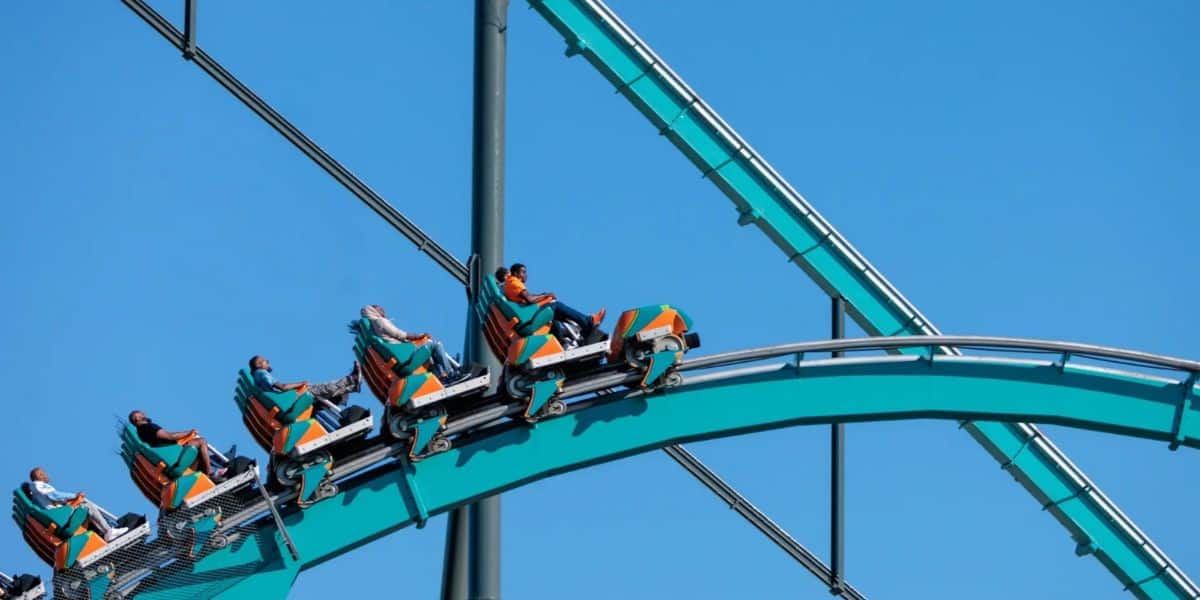
The immediate reaction sent shockwaves across the country. In response, Six Flags Entertainment Corp. temporarily suspended operations on nine similar hyper-coasters engineered by the same manufacturer across six regional parks. High-profile attractions like Raging Bull at Six Flags Great America and Nitro at Six Flags Great Adventure were immediately closed. While forensic teams, independent engineers, and state investigators worked to identify how a patron could bypass secure lap-bar restraint systems, consumer confidence in the brand reached an all-time low.
Detached Metal Component Forces Emergency Closure at Cedar Point
Before the industry could fully process the Georgia fatality, structural concerns emerged at Cedar Point in Sandusky, Ohio—long celebrated as the “Roller Coaster Capital of the World.” Park management confirmed an immediate, indefinite shutdown of its premier 300-foot giga-coaster after a metal component detached during a live run.
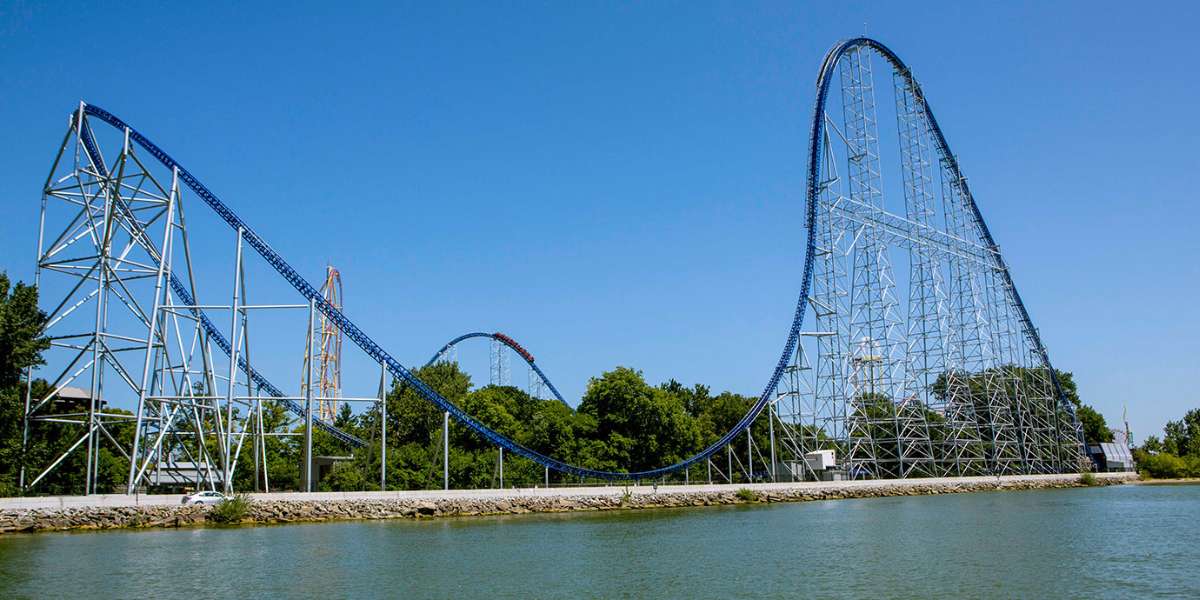
According to initial maintenance reports, a heavy steel bracket sheared off a moving train mid-ride. Traveling at speeds exceeding 90 miles per hour, the vehicle flung the metal piece into a heavily populated pedestrian pathway below the track superstructure.
By sheer luck, no park guests or employees were struck, and no injuries were reported. However, the operational failure triggered an immediate emergency stop and an automatic safety review by state inspectors. The attraction was locked down within minutes.
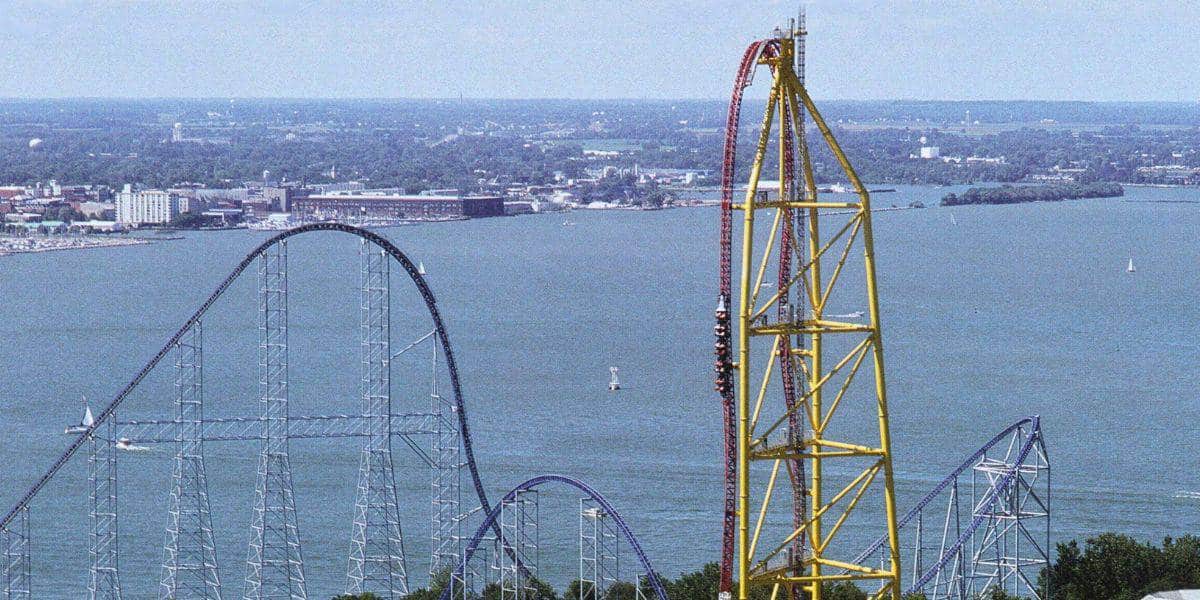
For Cedar Point, falling components represent a recurring safety nightmare. The park continues to deal with the legacy of a severe 2021 incident on another massive launch coaster, where a loose metal bracket struck a queueing guest in the head, causing life-altering injuries. Earlier in the current season, the park also faced heavy criticism from patrons after modifying seatbelt lengths on its giant coasters, which unexpectedly restricted access for larger riders.
This latest mechanical failure—occurring so soon after a loss of life in Georgia—has elevated a mechanical defect into a major crisis for park operators.
Federal and State Oversight Demanded as Inspections Begin
The combination of a deadly ejection at Six Flags Over Georgia and airborne debris at Cedar Point has put immense pressure on Six Flags Entertainment Corp., which formed following the massive corporate merger between Six Flags and Cedar Fair.

Safety advocates, industry analysts, and government officials are calling for stricter regulatory oversight. Critics are questioning whether aggressive cost-cutting measures, post-merger operational shifts, or overworked maintenance crews are affecting daily ride maintenance and daily safety checks.
Inspectors from the Ohio Department of Agriculture’s Ride Safety Division are performing exhaustive ultrasonic testing on the track chassis, mechanical brakes, and train assemblies of the grounded Cedar Point coaster. Until every safety system is certified, the ride will remain out of commission. For millions of thrill-seekers preparing for seasonal visits, the recent incidents serve as a stark reminder that behind the towering drops and colorful steel tracks lies a zero-tolerance requirement for mechanical failure.