For more than fifty years, the soundscape of Santa Clara, California, included the distant roar of coaster trains racing along wooden tracks, accompanied by the screams of thrill-seekers plunging down sheer vertical drops. Since America’s Bicentennial year in 1976, California’s Great America has anchored Northern California family entertainment, providing millions of Bay Area residents with their first roller coaster ride, summer job, and milestone memories.
Now, the final countdown has an exact expiration date.
Six Flags Entertainment Corporation officially confirmed that California’s Great America will permanently power down its attractions and close its gates for the last time on Labor Day, September 6, 2027. The upcoming 2027 operational year will serve as the park’s official “Farewell Season,” marking the end of a half-century run for one of the West Coast’s most recognized amusement landmarks.
The $310 Million Land Deal That Sealed the Park’s Fate
While the announcement struck an emotional chord with coaster enthusiasts and local families, the decision to close the park was years in the making.

The fate of the property was decided in June 2022, when Cedar Fair—before its merger with Six Flags—sold the 112 acres of real estate beneath the park to commercial real estate developer Prologis for approximately $310 million.
As part of the sale-leaseback transaction, the amusement park operator secured a lease to continue operating through June 2028, with opportunities to conclude operations earlier. With the lease clock ticking, Six Flags elected to complete a full, cohesive summer season in 2027 rather than attempt an awkward, partial-year operation leading into the 2028 deadline.
By selecting Labor Day 2027 as the permanent closing date, the park gives visitors an entire operational calendar to say goodbye, celebrate five decades of history, and revisit classic attractions before bulldozers arrive.
Five Decades of Regional Entertainment History
Opening in 1976 as the western installation of Marriott’s Great America—alongside its sister park in Gurnee, Illinois—the Santa Clara attraction was designed as an ambitious celebration of American history and folklore.

Across five decades, the park evolved under a succession of corporate stewards:
- The Marriott Era (1976–1985): Opening with historic themed areas such as Hometown Square, Yankee Harbor, and Orleans Orbit, anchored by the iconic Columbia Carousel.
- City Ownership and Kings Entertainment (1985–1992): The City of Santa Clara stepped in to purchase the park to prevent commercial redevelopment and partnered with KECO to operate it.
- Paramount Parks (1992–2006): Movie-themed attractions arrived, bringing headlining coasters like Top Gun (now Flight Deck) and Days of Thunder simulator experiences.
- Cedar Fair and Six Flags (2006–Present): Cedar Fair transformed the midways, integrated Peanuts characters into Planet Snoopy, expanded the South Bay Shores waterpark, and erected record-breaking modern thrill coasters before merging with Six Flags.

Reflecting on the park’s indelible community impact, Park Manager Dave Vosejpka emphasized the cultural legacy the destination leaves behind:
“For more than five decades, this Santa Clara theme park has brought people together, created family traditions and served as the backdrop for unforgettable memories. The Farewell Season is an opportunity for generations of Bay Area guests to return, spend time with family and friends, and revisit the attractions and traditions that have made the park in Santa Clara, California such a meaningful part of the community.”
What Happens to Gold Striker, RailBlazer, and Great America’s Rides?
With the final operational date established, the question on every theme park fan’s mind is what will happen to the park’s multi-million-dollar fleet of roller coasters and flat rides.
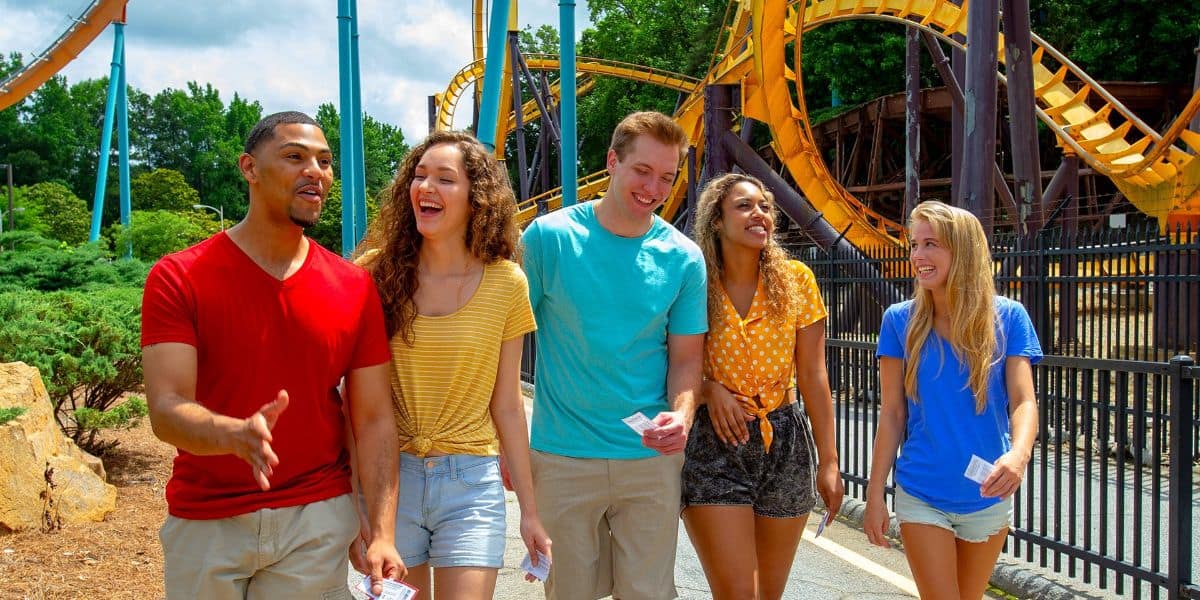
California’s Great America is home to several world-class attractions that remain highly coveted across the amusement industry:
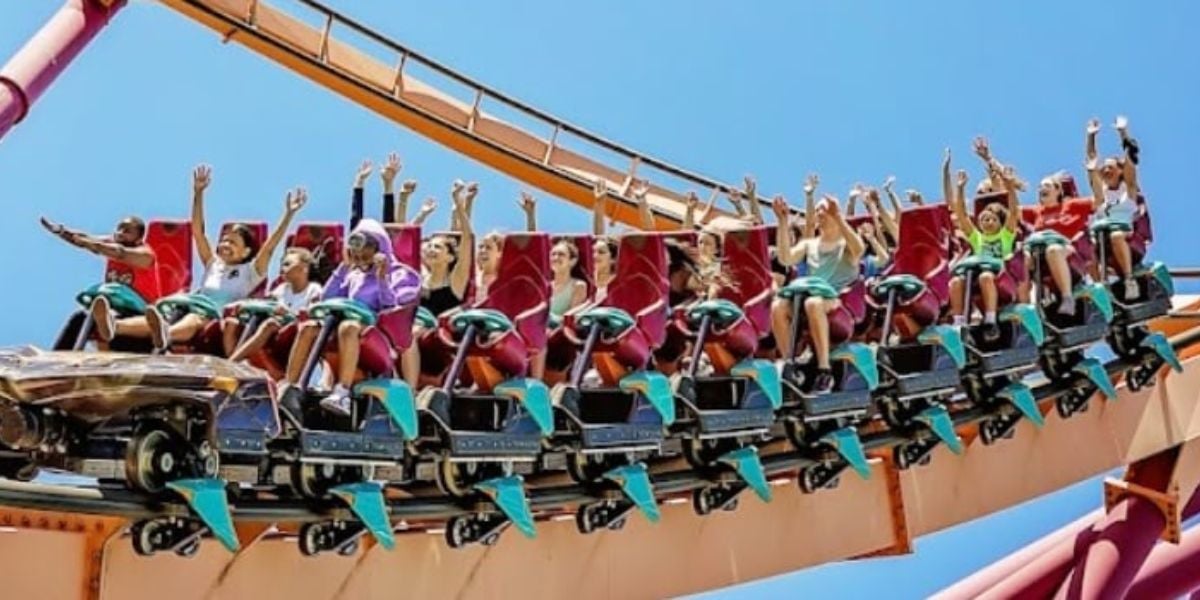
- Gold Striker: Built by Great Coasters International (GCI) in 2013, this high-speed, twisted wooden coaster has regularly placed on lists of the best wooden roller coasters in the world.
- RailBlazer: Introduced in 2018, this Rocky Mountain Construction (RMC) single-rail steel coaster features a steep 90-degree drop and compact inversions.
- Flight Deck: A sharp Bolliger & Mabillard (B&M) inverted roller coaster that has swept over the park’s waterways since 1993.
- The Demon: A vintage 1976 Arrow Dynamics classic featuring dual vertical loops and corkscrews.
Because Six Flags operates dozens of properties across North America, top-tier attractions are not expected to be scrapped. Standard operating procedure during managed park retirements involves carefully cataloging, disassembling, refurbishing, and relocating premium ride hardware to sister parks. Coaster fans can expect several of Great America’s standout coasters to be reincarnated at other Six Flags destinations over the coming decade.
Silicon Valley’s High-Stakes Real Estate Reality
The closure of California’s Great America highlights the shifting economic forces of the South Bay.

Positioned immediately adjacent to Levi’s Stadium—home of the San Francisco 49ers—the 112 acres of flat, accessible Silicon Valley dirt beneath the park had grown far too valuable for seasonal amusement operations. Surrounded by multinational tech campuses, the property is slated to transition into modern logistics hubs, light industrial facilities, and data centers.
For real estate developers, the land represents prime commercial infrastructure in one of the world’s most supply-constrained markets. For the local community, however, it represents the loss of a rare outdoor social hub where families across the socioeconomic spectrum gathered every summer.
Six Flags Consolidates at Discovery Kingdom
While the South Bay loses its primary amusement park, Six Flags will maintain its footprint in the greater San Francisco Bay Area through Six Flags Discovery Kingdom in Vallejo.

Located roughly 60 miles north in the North Bay, Discovery Kingdom combines roller coasters such as Medusa, Superman Ultimate Flight, and The Joker with marine and wildlife attractions. Following the 2027 season, Discovery Kingdom will become the sole destination for Bay Area thrill-seekers under the Six Flags corporate umbrella.
Preparing for the 2027 Farewell Season
Park leadership plans to treat the 2027 season as an extended celebration of the park’s 51-year history. Guests planning to visit before the gates close can expect special retrospective displays, nostalgic merchandise, and high summer attendance leading up to the final Labor Day weekend.

When the final coaster train rolls into the brake run on September 6, 2027, it will mark the end of an era for California amusement parks—closing a vibrant chapter of Bay Area history that entertained generations of riders under the California sun.