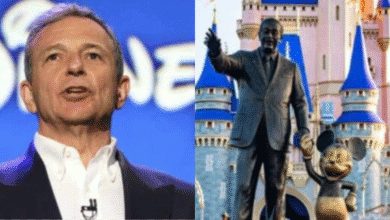
In the high-stakes theater of corporate boardrooms, the battle for the “soul” of The Walt Disney Company has reached a fever pitch. As we move through the 2026 proxy season, the House of Mouse finds itself entangled in a new kind of culture war—one where shareholders aren’t just fighting for dividends, but for the direction of the company’s political and charitable checkbook.
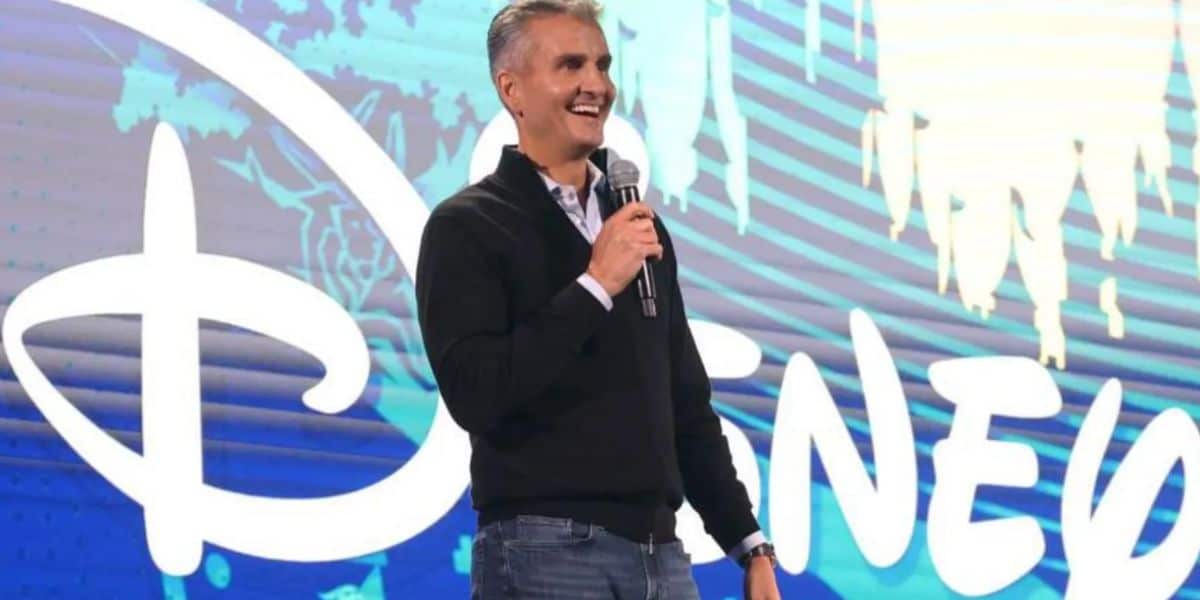
On March 18, 2026, during Disney’s highly anticipated Annual Meeting, a significant chapter in this saga concluded. A conservative activist group officially lost its quest to force Disney into a “charitable neutrality” agreement that would have effectively mandated the company to ensure organizations like Turning Point USA (TPUSA) were eligible for the same corporate matching funds as more progressive non-profits.
The result was a landslide victory for the board, but the details of the skirmish reveal a deepening rift in how investors view the role of “The Most Magical Place on Earth” in American politics.
The 1% Rebellion: A Bold Bid for Conservative Funding
The conflict centered on a proposal submitted by Bowyer Research, an investment firm manager known for pushing conservative causes within corporate America. Represented by Dana Tuggle at the shareholder meeting, the group demanded that Disney conduct an independent review of its employee-matched donations program.

Tuggle’s argument was blunt: she accused Disney of maintaining “arbitrary standards” that favor left-leaning organizations while subjecting conservative groups to “extra scrutiny.” In her remarks before the vote, Tuggle, a self-described lifelong fan and shareholder, called for a return to what she termed “happy moments” rather than “biased corporate policies.”
The proposal specifically targeted Disney’s relationship with the Human Rights Campaign (HRC). Tuggle questioned whether the HRC’s influence led to the exclusion of organizations like Turning Point USA and the Family Research Council.
“Disney’s gift match policy should be politically and socially neutral,” Tuggle argued. “They shouldn’t recommend or restrict charities based on their religion or viewpoint.”
The Turning Point USA Factor and the Shadow of 2025
The inclusion of Turning Point USA in the proposal added a layer of modern political tension to the room. TPUSA, co-founded by Charlie Kirk, has long been a lightning rod for controversy. However, the mention of the group carried extra weight at this 2026 meeting due to the shocking events of the previous year.
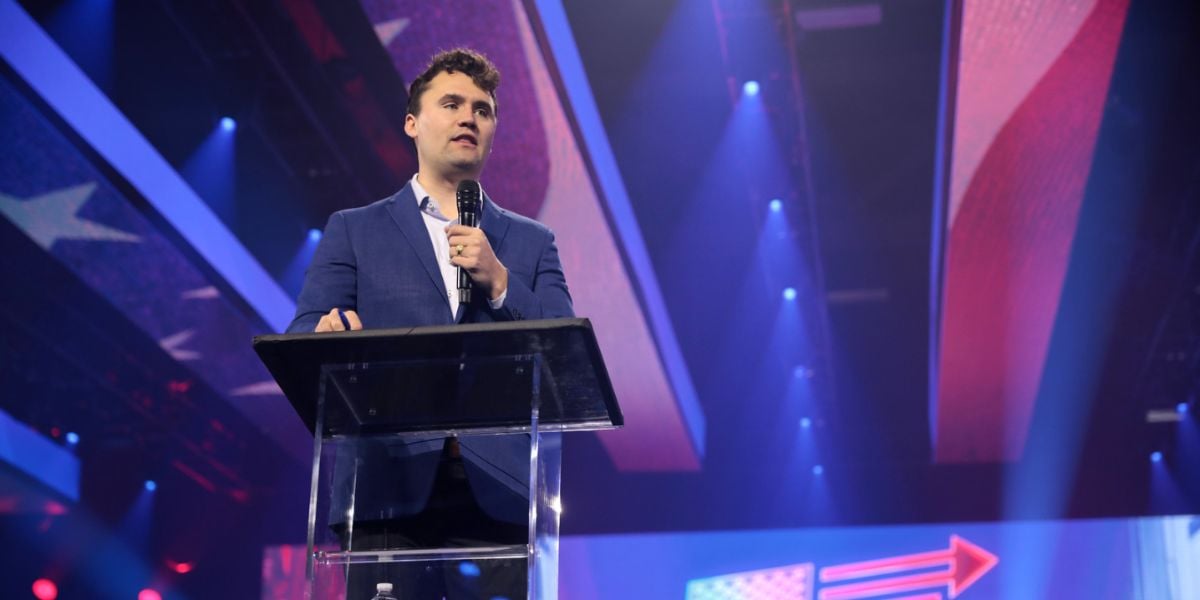
As noted in the proxy discussions, the proposal’s backers highlighted that TPUSA remains a major cultural force even following the tragic assassination of Charlie Kirk in 2025—an event that dominated national headlines and fundamentally shifted the landscape of conservative activism. For proponents of the measure, the “blacklisting” of such a massive organization from Disney’s matching program was seen as the ultimate proof of a “woke” corporate bias.
Beyond TPUSA, the proposal also accused Disney of excluding homeschool support organizations and other faith-based groups from its philanthropic reach.
Disney Strikes Back: “Materially False and Misleading”
The Disney board, led by newly minted CEO Josh D’Amaro and Chairman James Gorman, didn’t just disagree with the proposal—they tore it apart in their official filings. Disney urged shareholders to reject the measure, labeling it “materially false and misleading.”
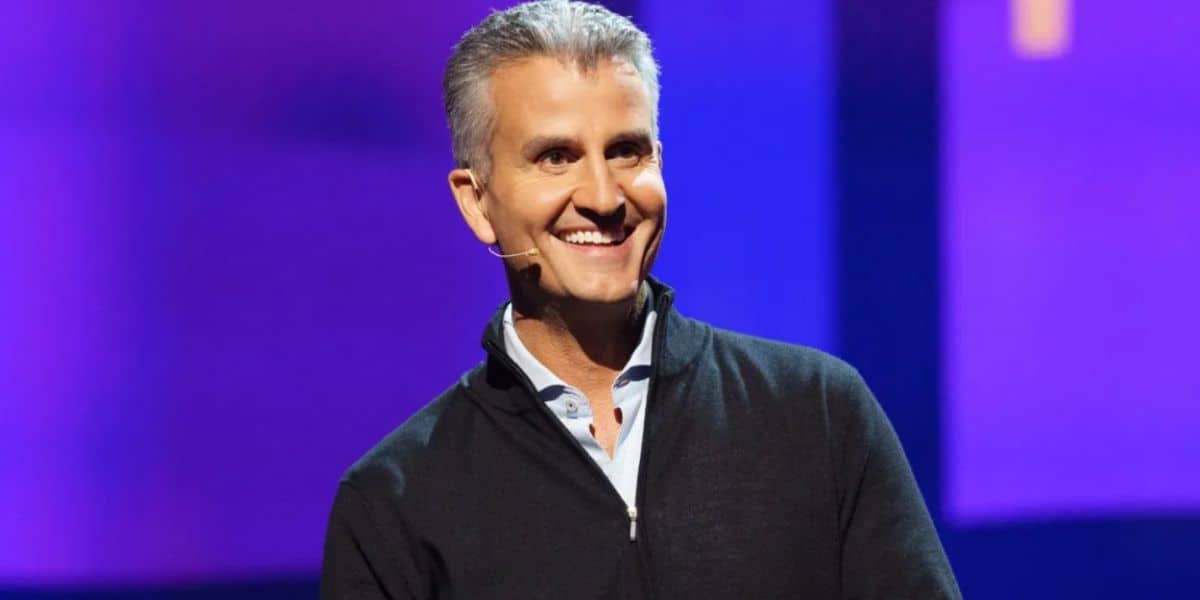
The company’s defense was built on transparency and scale. Disney revealed that in the past decade alone, it has matched employee donations totaling over $113 million. They argued that the current system is not designed to be a political tool but rather to provide employees with a way to support causes they personally believe in, within a set of broad, standard charitable guidelines.
Management argued that the proposal was seeking to micromanage “matters that are not economically significant to the Company’s business.” By framing the request as a distraction from Disney’s core mission of storytelling and theme park excellence, the board successfully painted the activists as “political protagonists” trying to hijack a private business for a partisan agenda.
The Verdict: A Stinging Defeat for Anti-ESG Activists
When the preliminary results were announced on the morning of March 18, the outcome was not just a loss for Bowyer Research—it was a total rejection. The proposal received only 1% of the shareholder vote.

The vast majority of institutional and individual investors chose to stand by the current management. This 99% rejection sends a clear signal to the market. While the “anti-woke” narrative may generate significant noise on social media and in political speeches, it has yet to gain meaningful traction with the people who actually own Disney stock.
This result mirrors a similar defeat in 2025, when the National Center for Public Policy Research (NCPPR) tried and failed to pull Disney out of LGBTQ+ rights ratings. It seems that for the average investor, Disney’s recent financial turnaround—marked by a $6.5 billion box office year in 2025 and a massive $60 billion parks expansion—is far more important than the specific ideological leanings of its charitable matching list.
What This Means for the Future of Disney’s “Neutrality”
Despite the landslide victory, the pressure on Disney to maintain a “neutral” public face is unlikely to fade. CEO Josh D’Amaro has inherited a company that is still recovering from the public feuds of the Bob Iger/Bob Chapek transition years.

While the board successfully defended its right to manage its own checkbook, the “1% rebellion” serves as a recurring reminder that a vocal segment of the audience is watching every penny. For D’Amaro, the goal for 2026 and beyond is to “quiet the noise” while continuing to support a diverse workforce.
Key Takeaways for Investors:
- Philanthropic Independence: Disney remains one of the most generous corporate matchers in America, and the board has successfully defended its discretion over that $113 million fund.
- Investor Confidence: The 99% “No” vote shows that shareholders are currently satisfied with the company’s “creative first” direction.
- The Persistence of Culture Wars: Activist groups like Bowyer Research and the NCPPR are not going away. They are likely to pivot toward topics like AI ethics and religious discrimination in future proxy cycles.
Conclusion: Magic Over Mandates
The failed quest to force Disney to fund Turning Point USA marks a defining moment in the 2026 corporate landscape. It proves that, for now, shareholders believe Disney is at its best when it focuses on “creating more of those happy moments” rather than checking political boxes for activist groups.

As the meeting adjourned and the crowds filtered out toward the parks, the message from the “House of Mouse” was loud and clear: Mickey’s checkbook is open to his employees, but it is not a battlefield for the highest political bidder.
Do you think corporate matching programs should be forced to include all legally registered non-profits, regardless of their political stance? Or should a company like Disney have the final say on who they support? Let us know in the comments below.