SeaWorld San Diego Investigating Sudden Death of Beluga Whale in Its Care

Wildlife experts are examining what led to the unexpected death of Cyprus, a nine-year-old male beluga who had only been at SeaWorld San Diego for about two months. He was one of the animals rescued from the shuttered Marineland park in Canada, and his sudden decline has renewed concern about the health of the whales moved from that facility.
A Tragic Announcement on Sunday Evening
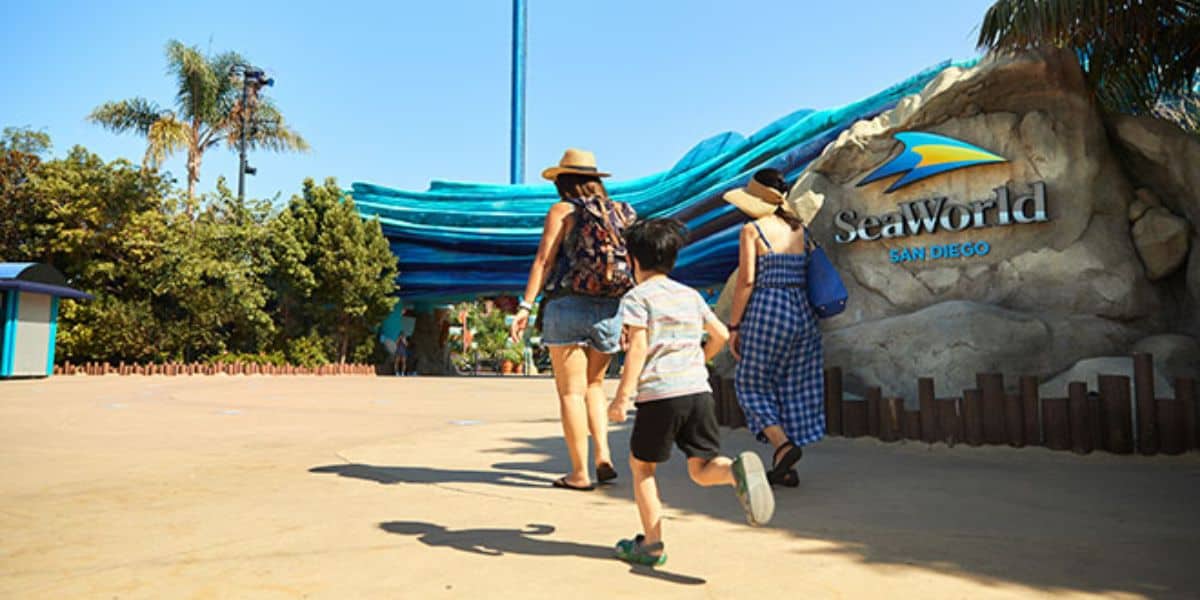
On October 18, SeaWorld San Diego posted on Facebook that Cyprus had died. He was one of three male belugas the park took in on August 22, 2026. Marineland closed this summer after serious financial problems and sustained criticism from animal rights activists about how its animals, especially its belugas, were treated.
The park says Cyprus stopped eating two days before his death. A medical exam, including an ultrasound, showed his intestinal tract wasn’t functioning normally, which could signal a life-threatening condition. Veterinarians stayed with him through the night, but he died. Before the decline, he had been eating consistently, settling into his new home, and interacting with trainers, the animal care team, and the two other rescued belugas.

Those two, Xavier and Jasper, are reported to be in stable condition and still adjusting. A full necropsy will be done on Cyprus, and the results will be shared with the National Oceanic and Atmospheric Administration (NOAA).
In its statement, SeaWorld San Diego said:
“We are saddened to share that Cyprus, a nine-year-old male beluga rescued from a dire situation in Canada that came to SeaWorld San Diego on August 22, has passed away unexpectedly.
Cyprus stopped eating two days ago which prompted our veterinarians and animal care team to conduct a thorough medical exam. An ultrasound showed that his intestinal tract did not appear to be functioning normally and could indicate a serious life-threatening condition. Veterinarians worked throughout the night, providing immediate medical attention.
Cyprus had been doing well since his arrival. He was eating consistently, acclimating to his new environment and interacting with his trainers and animal care team, along with the two other rescued belugas.
Like many species, belugas can mask discomfort or underlying concerns that are not immediately visible. A full necropsy will be conducted, and the cause of the passing will be shared with the National Oceanic and Atmospheric Administration (NOAA).
Like our colleagues at the other AZA-accredited facilities that rescued these belugas, we understood each animal would be navigating a significant transition and that their complete health picture, including conditions that may have developed over time, could only become clearer through ongoing assessment and care.
The other rescued belugas in our care continue to be in stable health and remain under close monitoring as they continue to adjust to their surroundings. As we have indicated, this process will take a considerable amount of time. Our commitment to the health, well-being and care of these belugas, like every animal we rescue, continues.”
A Pattern Across Several Facilities
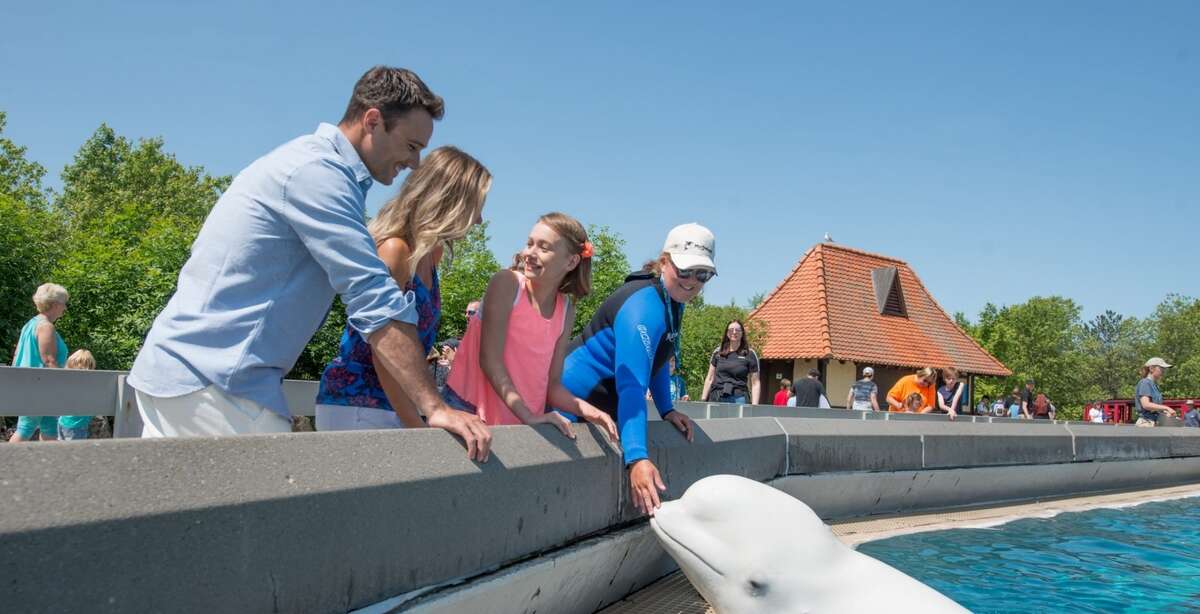
Cyprus is not the first rescued animal to die. Since early September, four female belugas have died at Shedd Aquarium in Chicago: Caspian, 27; Peekachu, 23; Rain, 20; and Osiris, 26. Shedd also lost Beethoven, a 34-year-old male, but he had been part of its resident pod for decades, and his necropsy indicated old age rather than any link to the Marineland deaths.
At Oceanogràfic València in Spain, a 19-year-old female beluga named Jelly Bean died on September 18. Echo, a 30-year-old blind Black Sea bottlenose dolphin rescued from Marineland, also died there.
What Earlier Necropsies Found
Some of the examinations uncovered conditions that existed before the rescues, including chronic liver disease and chronic inflammatory disease in the gastrointestinal tract. Certain stomachs held non-edible items such as large porous rocks, sticks, bird feathers, and paint flecks or chips. Experts concluded that the whales couldn’t have ingested these at their new facilities and linked the behavior to chronic boredom and abnormal behavior in captivity at Marineland.
Who Is Still in Care
Thirty belugas and four Black Sea bottlenose dolphins were rescued in total. Experts cautioned that the animals were fragile and could have undiscovered medical problems. Marineland itself had lost 14 captive whales and one dolphin over four years.

The remaining 24 whales and three dolphins are receiving around-the-clock care at the Shedd Aquarium, SeaWorld San Diego, SeaWorld San Antonio, the Georgia Aquarium, the Mystic Aquarium in Connecticut, and Oceanogràfic València.
Have you ever seen the beluga whales at SeaWorld San Diego? Let Disney Dining know in the comments.