SeaWorld has spent years trying to reinvent itself, but its latest setback suggests the company still has some serious problems to overcome.
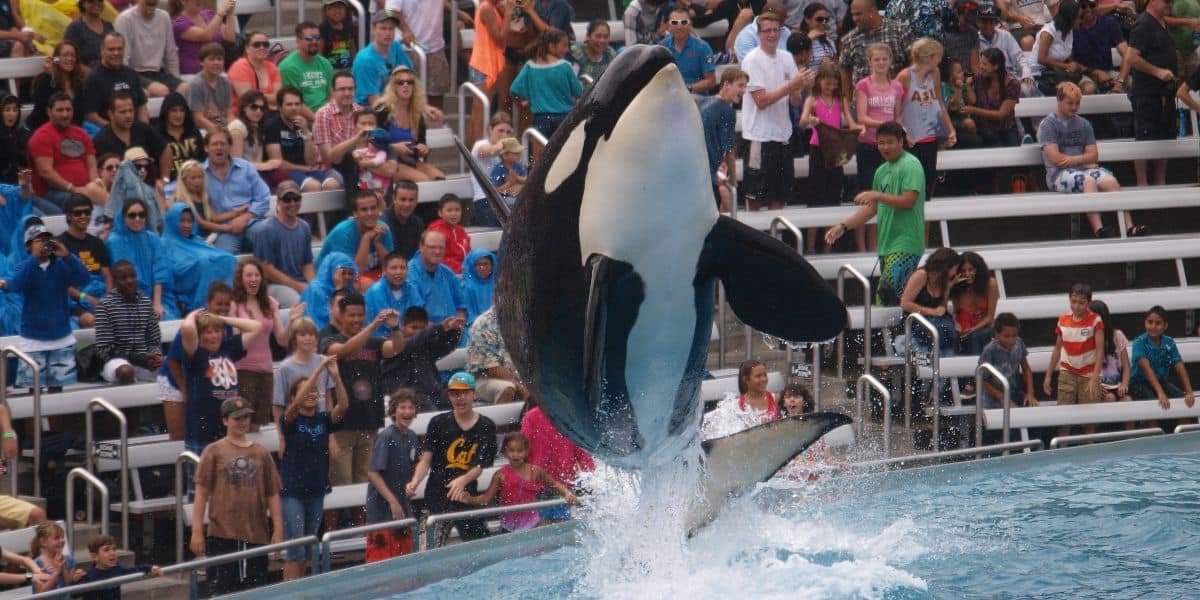
For decades, SeaWorld was best known for its marine animal attractions, particularly its killer whale shows. However, the 2013 documentary Blackfish sparked widespread criticism of its treatment of orcas. In 2016, the company announced it would end orca breeding and move away from theatrical whale performances.
Since then, SeaWorld has increasingly focused on rides. SeaWorld Orlando opened Pipeline: The Surf Coaster in 2023, Penguin Trek in 2024, and Expedition Odyssey in 2025. The latter was replaced by Expedition Odyssey: Fire & Ice in 2026 after a lukewarm reception from guests. Its parent company also rebranded from SeaWorld Entertainment to United Parks & Resorts in 2024, reflecting its wider portfolio of theme parks.
However, these changes haven’t necessarily translated into stronger attendance. Across its portfolio, United Parks welcomed 21.2 million visitors in 2025, down 1.8% from 2024. Revenue also declined by 3.6%, with the company blaming factors including fewer international visitors and problems with its own operations.
SeaWorld Reports Major Attendance Decline as New Attraction Delayed
Unfortunately for SeaWorld, things haven’t improved much in 2026.
United Parks & Resorts has revealed that attendance across its parks – which include SeaWorld, Busch Gardens, Aquatica, Discovery Cove, and Sesame Place – dropped by 4.7% during the third quarter of 2026.
Approximately 6.47 million guests visited its parks between July and September, representing a decline of around 320,000 compared to the same period in 2025.

This marks the company’s third consecutive quarter of declining attendance. Visitor numbers previously fell by 5% in the first quarter and 2.9% in the second. Across the first nine months of 2026, United Parks welcomed approximately 670,000 fewer guests than in 2025.
Unsurprisingly, this has also impacted its finances. Third-quarter revenue dropped by 1.1% to $506.5 million, while net income fell by 10.5% to $80 million.
However, those who did visit spent more money. Average spending inside the parks increased by 4.4% to a record $37.39 per guest, while total revenue per visitor rose by 3.8%.
United Parks CEO Marc Swanson attributed the attendance decline to unfavorable weather, changes in the calendar, and fewer international tourists. He claimed these factors accounted for approximately 325,000 lost visits, while the company’s deliberate reduction in promotional admissions accounted for more than 100,000 additional visits.

But there’s another issue facing SeaWorld Orlando specifically.
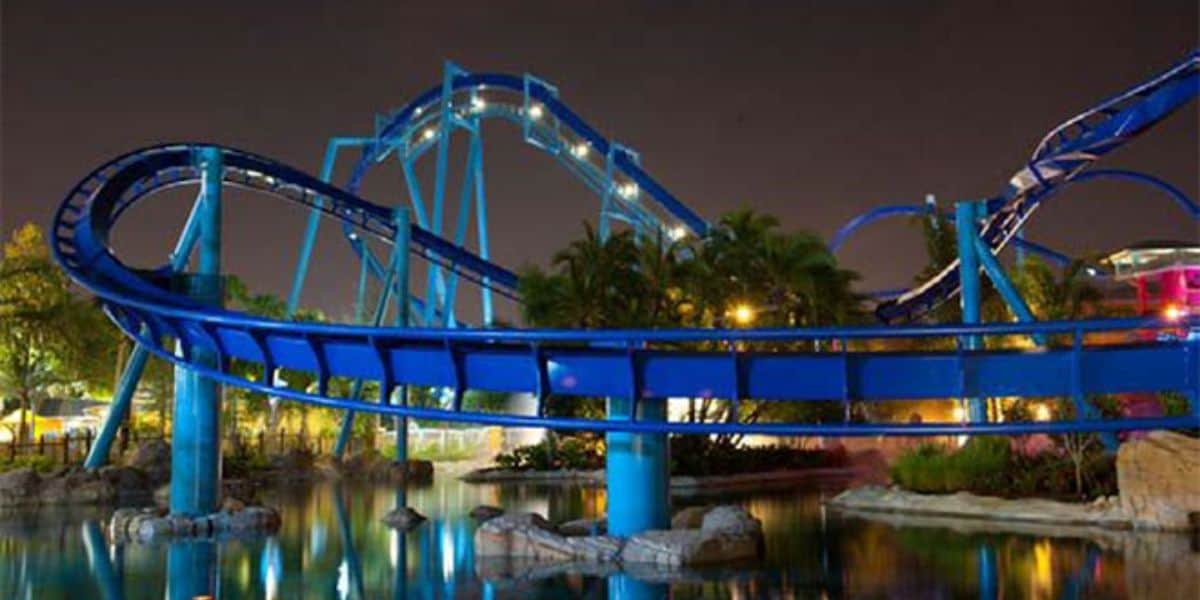
The park has confirmed that its upcoming attraction, SEAQuest: Legends of the Deep, will no longer open in 2026 as originally planned. Instead, the suspended dark ride is now scheduled to debut at some point in 2027.
SeaWorld first announced the attraction in September 2025, promising an underwater adventure that would take guests through elaborate ocean environments in submarine-style vehicles.
Developed with Vekoma, the ride will feature immersive environments, unusual marine life, and a dramatic launch finale. It’s also set to become SeaWorld Orlando’s first suspended dark ride, expanding its lineup beyond traditional roller coasters.
A SeaWorld representative confirmed the postponement to Attractions Magazine on October 31, stating, “We are saying 2027.” The company’s November 5 financial report subsequently included SEAQuest in its lineup of attractions for next year.
An exact opening date has yet to be confirmed, and SeaWorld hasn’t explained the reason for the delay.
The company does have other projects lined up for 2027. Busch Gardens Williamsburg will debut Return to Corkscrew Hill, a new motion theater attraction inspired by the park’s former ride of the same name. Busch Gardens Tampa Bay is also preparing to announce a new attraction, codenamed Project Driftwood.
There are some encouraging signs for United Parks. Quarterly pass sales increased by nearly 8%, while its customer base for 2027-specific passes was up more than 15% as of October 31.

SeaWorld’s biggest problem is getting more people through the gates. Higher spending per guest is encouraging, but it hasn’t been enough to offset declining attendance, and delaying a major new attraction removes another potential incentive to visit in 2026.
Weather and international tourism are partly beyond the company’s control. Delivering attractions on schedule and improving the guest experience are not. With increasingly fierce competition for visitors in Orlando, SeaWorld needs to give guests a compelling reason to choose its parks over the likes of Walt Disney World Resort and Universal Orlando Resort – and return time and time again.
Have you visited SeaWorld Orlando in 2026?