For a long time, Marvel felt predictable in a good way. Big spectacle. Familiar humor. Just enough edge to keep things exciting without ever making Disney nervous. Recently, though, that balance feels like it’s changing. Quietly, Marvel appears to be stepping into territory that isn’t meant for everyone.
The tone feels heavier. The edges feel sharper. And more than ever, the MCU seems open to stories created specifically for mature audiences—even if that catches longtime fans off guard.
Disney hasn’t rolled out a formal announcement declaring a new direction. There’s been no press event spelling out a tonal shift. Instead, the evidence shows up in smaller ways: what projects get made, how they’re rated, and what kinds of creative risks Marvel is suddenly willing to take. When you connect those dots, a clear picture starts to form.

How the MCU Built Its Foundation
The MCU didn’t become a global phenomenon by accident. From Iron Man (2008) through Avengers: Endgame (2019), Marvel perfected four-quadrant storytelling. Kids found heroes to admire. Adults followed long-term arcs. Families watched together without worrying about content crossing uncomfortable lines.
That strategy worked. The MCU has become the most successful franchise in film history by remaining accessible and consistent. Even when Marvel explored darker emotions, such as grief or sacrifice, it framed those ideas in ways that never excluded younger viewers.
After Endgame, though, the environment changed. Audiences changed. The conversation around superhero fatigue grew louder. And suddenly, sticking to the same safe formula didn’t feel like the sure thing it once was.

Daredevil Sends a Clear Message
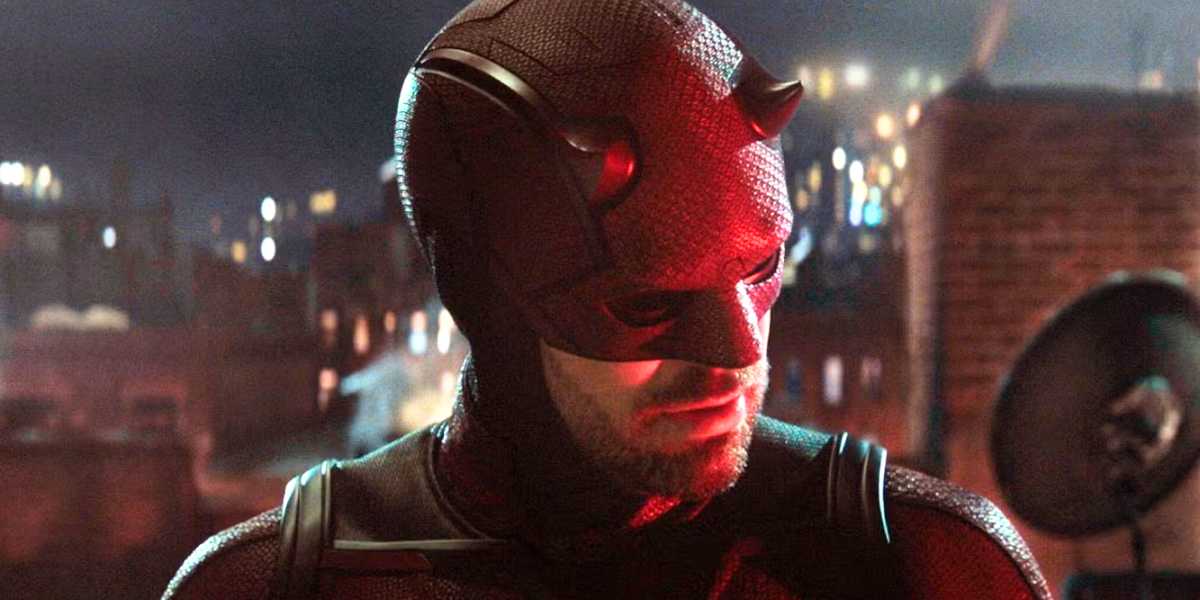
The return of Daredevil marked one of the clearest signals that Marvel was ready to move in a different direction. When Daredevil: Born Again arrived on Disney+, it came with a TV-MA rating and no attempt to soften the character.
That choice mattered. Daredevil has always thrived on moral tension and brutal realism. Disney didn’t dilute that. It leaned into it. The result felt intentional, not experimental.
Just as importantly, the response showed Marvel something valuable: there is a strong audience for MCU stories that don’t need to work for everyone.
Disney+ Becomes a Testing Ground
Daredevil wasn’t an exception. Marvel Zombies pushed Marvel fully into horror with an MA rating that would have been unthinkable during the MCU’s early years. Echo followed with a stripped-down, grittier approach that ditched constant humor in favor of emotional weight.
What makes these projects notable isn’t just their tone—it’s where they live. Disney+ once carried a strictly family-friendly reputation. Now, it’s hosting some of Marvel’s most adult storytelling. That shift didn’t happen accidentally.
Deadpool Forces the Issue
Outside Disney+, Deadpool’s growing role in Marvel’s future might be the most significant indicator of change. Deadpool only works as an R-rated character. His humor, violence, and self-awareness demand it.
By fully integrating Deadpool into the MCU and connecting him to the former Fox-era X-Men films, Disney crossed a line it once avoided. With X-Men actors confirmed to return in Avengers: Doomsday, fans are already wondering if Deadpool follows—and what that means for future ratings.
The idea of an R-rated Avengers-level film once sounded impossible. Now, it sounds like a question worth asking.

New Voices, Darker Possibilities
Rumors surrounding Jordan Peele as a potential Marvel director only deepen that conversation. Known for tension-filled, socially aware storytelling, Peele represents the kind of creative voice Marvel appears to be seeking as it recalibrates its future.
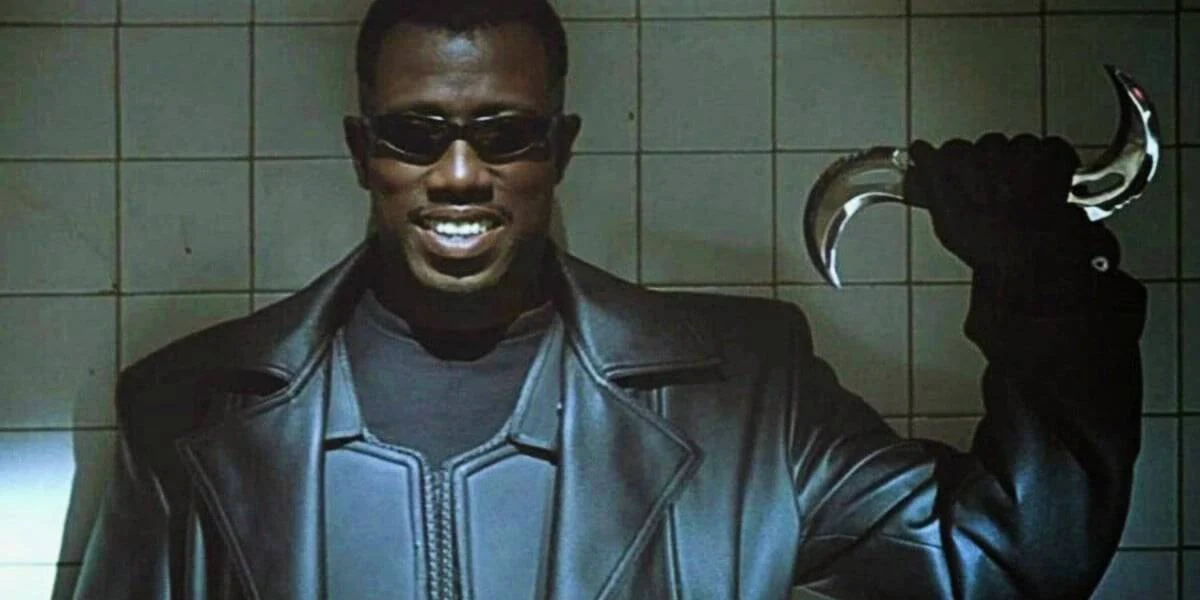
Speculation around projects like Blade, Ghost Rider, or even a potential Midnight Sons film only reinforces that trend. Each lives squarely in darker territory and would demand a mature approach.
Where This Leaves Marvel
On their own, these choices might look like isolated risks. Together, they feel strategic. Disney isn’t abandoning Marvel’s past—it’s expanding what the MCU can be.
R-rated projects no longer feel like exceptions. They feel like options. And if current momentum holds, Marvel’s future won’t be built to please everyone. It will be built to go further.