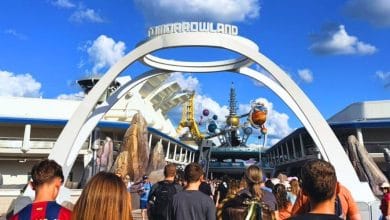
Southern California vacations are often booked under the promise of perpetual sunshine, palm trees, and breezy coastal afternoons. However, a punishing Pacific storm system sweeping across the Southland proved that when winter weather strikes the Golden State, it can overwhelm even the most meticulously engineered destinations. At the Disneyland Resort in Anaheim, torrential rains rapidly transformed classic themed pathways into running streams, leaving guests wading through submerged thoroughfares and prompting park operations to battle intense standing water.
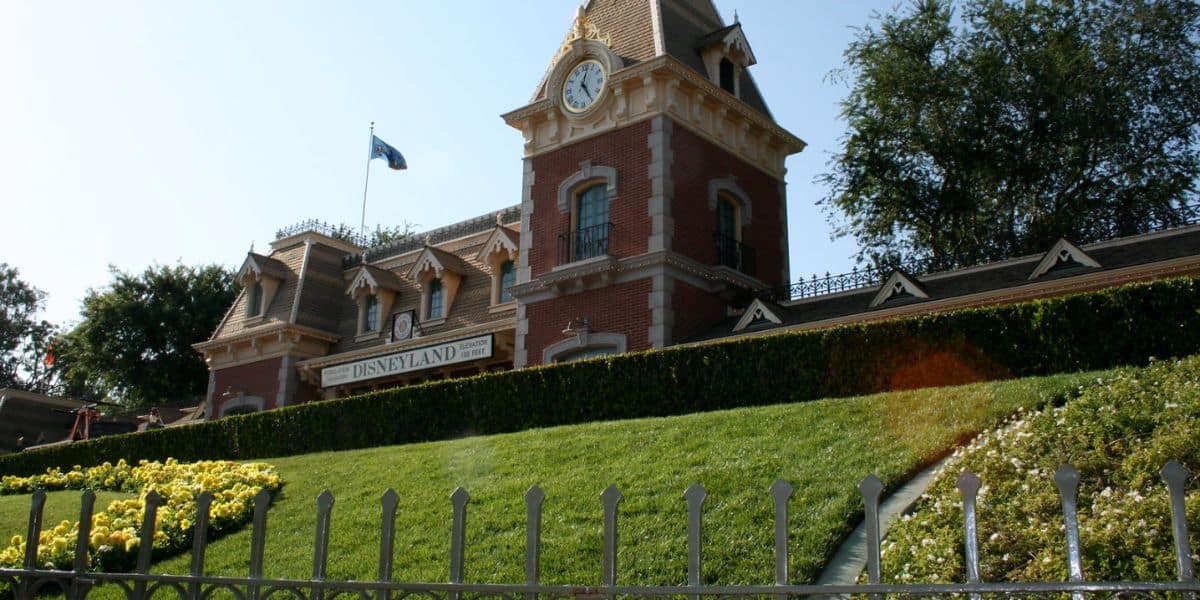
Local meteorological reports and regional storm tracking from KTLA documented high rainfall totals across Orange County as the atmospheric disturbance stalled over the region. While neighboring municipalities dealt with highway spinouts, flooded intersections, and saturated burn scars, the impacts within the berm at Disneyland were captured in real time by parkgoers. Video footage posted to social media by theme park account @DisneyScoopGuy revealed severe localized flooding across Frontierland, extensive water pooling throughout Star Wars: Galaxy’s Edge, and deeply submerged loading areas at the resort’s primary parking shuttle hubs.
Frontierland’s Walkways Submerged by Runoff
Among the most visually striking areas affected by the storm was Frontierland, the rustic 19th-century American frontier-themed area that borders the Rivers of America. Under normal operating conditions, the wide wooden boardwalks and paved corridors facilitate heavy pedestrian traffic heading toward Big Thunder Mountain Railroad and the harbor of the Sailing Ship Columbia.
During the height of the storm, the land took on the appearance of an active waterway. Sheets of rainwater rushed down the slight incline from the central hub, accumulating rapidly along the storefronts near the Golden Horseshoe and the passage toward New Orleans Square. In video documentation from @DisneyScoopGuy, visitors draped in yellow and clear plastic rain ponchos could be seen carefully navigating pathways blanketed by several inches of moving water.
Because the land immediately abuts the Rivers of America, the high water volume created the optical illusion that the river itself had breached its bulkheads. Frontline custodial and operations Cast Members were deployed across the area with commercial push-brooms and squeegees to direct surface water into overflowing drainage grates. Despite their efforts, the high rainfall rate consistently outpaced the runoff capacity, forcing guests to wade ankle-deep along primary walkways to reach indoor dining locations and sheltered attractions.
A Galaxy Far, Far Away Becomes an Ocean World
Just north of Frontierland, Star Wars: Galaxy’s Edge faced its own unique set of water accumulation problems. Spanning 14 acres, Black Spire Outpost on the planet Batuu is widely celebrated for its rich, tactile Imagineering. The land features distressed pavement, weathered blast marks, dirt berms, and carved planetary craters designed to make visitors feel as though they are exploring an ancient, forgotten spaceport.
However, the very design elements that make Batuu visually convincing proved problematic in a flash-deluge scenario. The intentionally uneven terrain, recessed walkways, and depressed surfaces acted as natural catch-basins. Massive puddles collected throughout the main plazas, particularly along the approach to Millennium Falcon: Smugglers Run and the entrances to the Black Spire Marketplace.
Visitors hoping to take refuge inside Oga’s Cantina or Dok-Ondar’s Den of Antiquities had to navigate submerged courtyards. Videos circulating online showed travelers dodging lake-sized puddles under the shadow of the First Order TIE Echelon shuttle, clutching umbrellas alongside plastic-wrapped lightsabers. While Batuu remained fully operational, the aesthetic of the dry, dusty planetary trading outpost was temporarily replaced by a thoroughly waterlogged landscape.
Transportation Bottlenecks at Parking Shuttle Plazas
The weather-related challenges were not confined to park gates. For thousands of day visitors, the logistical headache began at the resort perimeter, specifically in the ground-level transportation plazas serving the Mickey & Friends and Pixar Pals parking garages.
As the central arrival point for motorists visiting the resort, these open-air boarding hubs handle thousands of guests per hour, funneling them onto open-air parking trams that travel down the dedicated route toward the Main Entrance Esplanade. Footage shared by @DisneyScoopGuy showed significant standing water submerging the passenger queuing corrals and the concrete pads where the multi-car trams pull in to load.
With standing water pooling across the pedestrian loading bays, guests disembarking from garage elevators had little choice but to step directly into large sheets of stormwater. Pushing strollers through the saturated corridors created immediate choke points, while families congregated beneath architectural overhangs to escape the driving wind and rain. Operating heavy tram consists through inches of standing water requires reduced speeds and heightened safety protocols, which inevitably stretched loading cycles and lengthened wait times during the peak morning arrival window.
The Engineering Challenge: Florida vs. California Drainage
The sight of flooded streets in a Disney park often surprises casual tourists, but theme park historians and civil engineers understand the underlying geography. Walt Disney World in Orlando was built upon Florida marshland and engineered from its inception to manage nearly daily tropical thunderstorms, featuring massive retention ponds, canal networks, and high-capacity drainage systems.
Disneyland in Anaheim, by contrast, sits in a Mediterranean, semi-arid climate where annual rainfall averages under 15 inches. While the park is equipped with modern municipal storm drainage, regional infrastructure in Southern California is rarely designed to handle multi-inch rainfall events that drop substantial amounts of precipitation within narrow, multi-hour windows. When an atmospheric river or severe low-pressure system stalls over the Los Angeles basin, the sudden volume inevitably strains drainage grates and creates temporary surface runoff.
As the storm system pushed inland and rainfall subsided across Orange County, Disneyland’s facilities teams worked through the night to pump out standing water and clear silt from the grates. By the time sunshine returned to Southern California, normal pedestrian traffic had resumed along the frontier boardwalks and outer-rim outposts—leaving parkgoers with wet shoes and a memorable look at the Happiest Place on Earth under water.