A distressing video filmed inside Disney’s Hollywood Studios on Friday, November 20, 2026, has set off one of the fiercest debates on theme park social media this year. In the clip—originally shared on Instagram by user drdisneyland and rapidly reposted across X and TikTok—a woman operating an electric mobility scooter drives straight into a stationary young boy standing beside his family while they wrap up a Disney PhotoPass scan.
As the boy’s right leg gets caught beneath the front of the scooter and he cries out in pain while his mother rushes to comfort him, millions of viewers online have voiced their anger. Across comment sections, frustrated guests are demanding that Walt Disney World Resort restrict who can rent mobility scooters, enforce strict screening rules, or ban the vehicles from crowded theme park walkways altogether. Yet despite mounting public backlash, the legal and operational reality is straightforward: Disney has virtually no control over who rents or operates a mobility scooter, and the company will never ban them from its parks.
Inside the Viral Hollywood Studios Scooter Crash
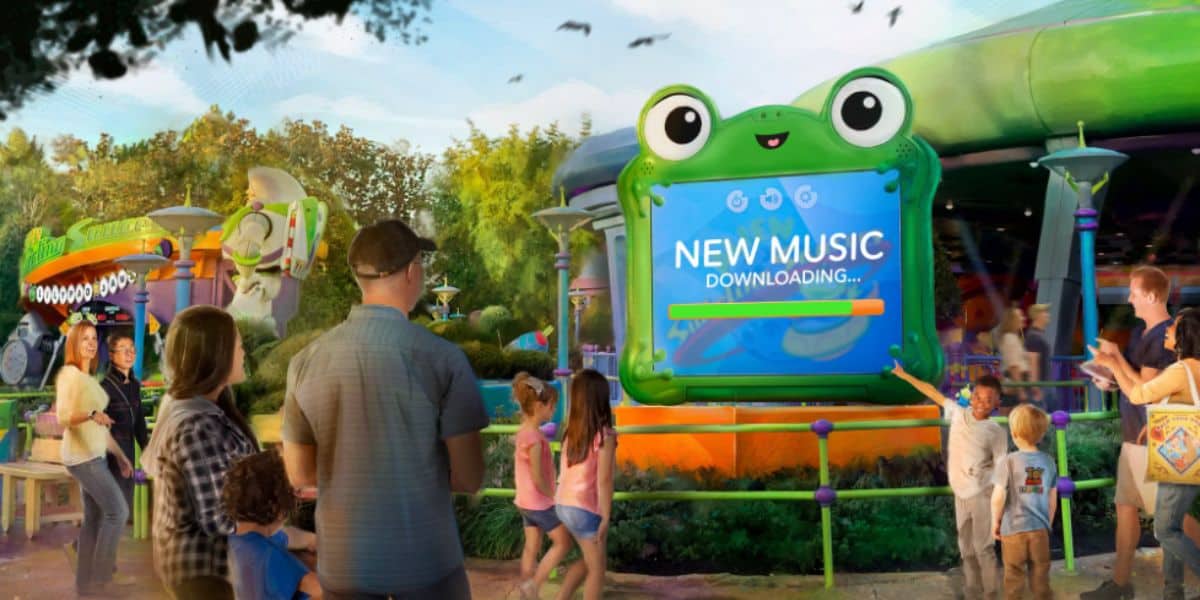
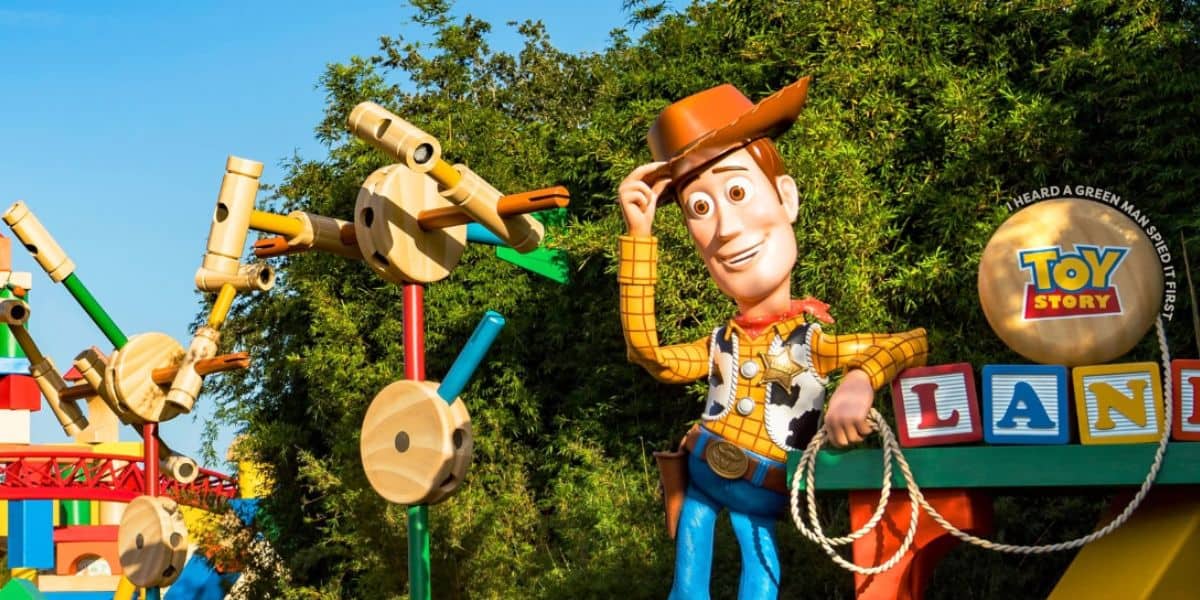
According to the eyewitness who captured the November 20 footage—who noted in his caption that he happened to be standing next to the PhotoPass cast member because she was his wife’s college roommate—the young boy was standing still next to his family in Toy Story Land while his mother finalized their photo information. Within seconds, a woman driving an electric mobility scooter plowed directly into the child, trapping his right leg under the vehicle before coming to a stop.
Fortunately, the person who shared the video confirmed that the young boy was okay and did not suffer serious injuries. Even so, the footage quickly amassed more than 207,000 likes and nearly 10,000 comments on Instagram alone before spreading across X and TikTok, sparking a heated argument over pedestrian safety at Walt Disney World.
While the video’s creator urged viewers to keep perspective and remember that mobility scooters are essential for many visitors, thousands of commenters shared their own stories of bruised ankles, close calls, and reckless scooter driving in congested theme park walkways.
Growing Backlash Over Scooter Misuse in the Parks
The November 20 collision is only the latest flashpoint in a year marked by rising tension over Electric Conveyance Vehicles—known at Disney as ECVs. Back in August 2026, several TikTok and Instagram videos went viral, showing groups of seemingly able-bodied guests renting mobility scooters together at EPCOT and Disney’s Animal Kingdom, riding side by side, bumping into one another, and joking that renting scooters was the best money they had spent all day.
Those viral clips fueled widespread resentment among park regulars, many of whom accuse some visitors of treating $65-a-day rental scooters like amusement park bumper cars rather than medical mobility aids. Combined with packed holiday crowds, the backlash has prompted many guests to call on Disney to require medical proof, administer mandatory driving tests, or eliminate non-essential scooter rentals.
Why Federal Law Prevents Disney From Screening Scooter Renters
No matter how intense the social media outcry becomes, Walt Disney World’s hands are tied by federal civil rights law. Under the Americans with Disabilities Act (ADA) and official U.S. Department of Justice guidelines, theme parks and public venues must treat electric mobility scooters and power wheelchairs the same way they treat manual wheelchairs—meaning they must allow individuals with mobility disabilities to use them in virtually all public guest areas.
Crucially, federal law strictly prohibits businesses from asking guests about the nature or severity of their disability, demanding medical documentation, or requiring a doctor’s note before renting or admitting a mobility device. Because many legitimate disabilities are invisible—including heart conditions, respiratory illnesses, chronic fatigue, neuropathy, or recovering from surgical injuries—Disney Cast Members cannot legally evaluate guests at the rental counter to decide who “looks” like they need an ECV.
Walt Disney World’s official ECV rental requirements are therefore limited to basic operational rules:
- Renters must be at least 18 years old and present a valid government-issued photo ID.
- Only one person is permitted to ride on an ECV at a time, with a maximum weight capacity of 450 pounds.
- Daily rentals cost $65 per day at Walt Disney World theme parks, water parks, and Disney Springs, along with a refundable $20 deposit at theme parks or a $100 deposit at water parks and Disney Springs.
- Rentals are offered strictly on a first-come, first-served basis with no reservations.
Even if Walt Disney World closed its own ECV rental counters tomorrow, the number of mobility scooters inside the parks would hardly drop. Thousands of guests bring their own personal scooters from home or rent multi-day units from third-party Orlando mobility providers—such as Disney’s featured provider, ScooterBug—which deliver scooters directly to Walt Disney World Resort hotels. Under federal accessibility rules, as long as a personal or third-party scooter has at least three wheels, carries a single rider, operates at a walking pace, and measures no larger than 36 inches wide by 52 inches long, Disney is legally required to admit it.
Why Walt Disney World Will Never Ban Mobility Scooters
Beyond strict federal compliance, Walt Disney World has no intention of banning mobility scooters because doing so would exclude hundreds of thousands of guests who rely on them to enjoy their vacations. A typical day at Magic Kingdom or EPCOT routinely involves walking seven to twelve miles in Central Florida heat—a physical demand that would be impossible for seniors, injured travelers, and guests with chronic mobility challenges without powered assistance.
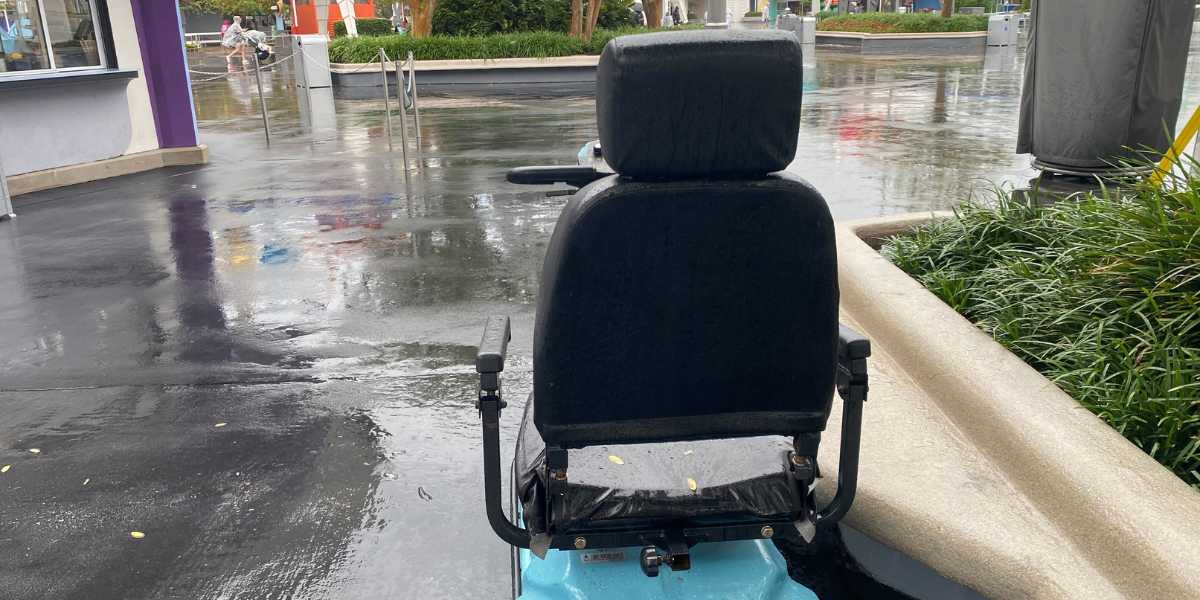
While Disney cannot demand medical proof or ban scooters from the property, park officials do enforce behavioral rules printed on every rental agreement. Disney prohibits distracted driving—such as texting, checking a phone, or eating while operating an ECV—forbids carrying children or pets in the front basket or on a rider’s lap, and requires operators to maintain a walking pace and use caution on ramps, hills, and wet pavement. Cast Members also retain the authority to intervene if an operator is visibly intoxicated or driving recklessly.
How Drivers and Pedestrians Can Prevent Park Collisions
Because mobility scooters are an essential and permanent part of Walt Disney World operations, preventing accidents like the November 20 crash at Hollywood Studios depends on shared awareness on busy pathways. First-time scooter renters—many of whom have never driven an ECV before arriving at the park—can help prevent collisions by practicing turning and stopping in an open area before entering dense crowds, dialing the speed knob down to its lowest setting in tight walkways like Toy Story Land, and keeping their eyes off their phones while moving.
At the same time, walking guests can reduce the risk of accidents by keeping small children close in crowded corridors, avoiding sudden stops in the middle of main thoroughfares, and stepping fully off main walkways when checking the My Disney Experience app or posing for PhotoPass pictures. As viral videos continue to spark debate online, mutual patience and attention remain the only realistic way to keep every guest safe at Walt Disney World.