Former Disney Safari Driver Reveals Controversial Crocodile Protocol

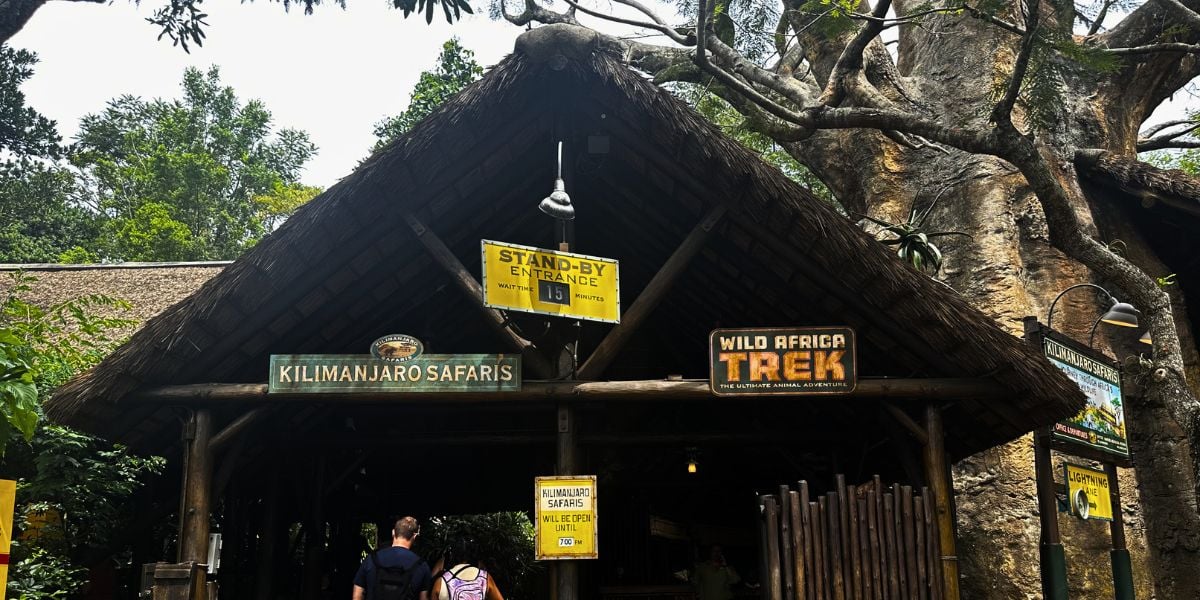
A former Kilimanjaro Safaris driver at Disney’s Animal Kingdom has revealed the controversial protocol cast members must follow if a guest falls into the crocodile area. According to the former guide, drivers are instructed to immediately drive off rather than stop to attempt a rescue.
The revelation comes from @william.rath on TikTok, who says he worked as a guide and driver on the safari attraction.
The Safari Protocol Explained
The former cast member explained that drivers receive extensive training about the crocodile pit specifically because a bridge crosses directly over the crocodiles with no fence on top. During the 18-minute journey through the Harambe Wildlife Reserve, the safari vehicle crosses this bridge, creating a potential hazard in which someone could fall into the water below.
According to the training, if someone falls into the crocodile pit, drivers are instructed to leave the area as quickly as possible. The reason is brutal but practical: if a baby or child falls into the crocodile pit, they are not making it out alive.
The protocol focuses on limiting the number of victims by preventing parents or other guests from jumping in to attempt rescue. If a parent jumps in to save a child, the parent is not going to save that baby and they are not getting saved either because of how crocodile attacks work.
Why This Protocol Exists
The drive-off protocol serves multiple purposes beyond just accepting the loss of the initial victim. It removes other guests from witnessing something horrific happen, prevents additional victims from jumping into the water in panic or misguided rescue attempts, and allows the driver to quickly radio for emergency response teams better equipped to handle the situation.
While this sounds terrible and goes against every human instinct to help someone in distress, it makes sense when understanding that crocodiles are ambush predators capable of pulling adult humans underwater within seconds. Any rescue attempt by untrained personnel would essentially be a suicide mission that would only increase the death toll.
The Safety Record
Thankfully, no one has ever fallen into this area in all the decades Kilimanjaro Safaris has been running since Disney’s Animal Kingdom opened in 1998. The fact that this has never happened despite millions of guests riding the safari over nearly three decades speaks to the effectiveness of Disney’s safety protocols, vehicle design with secure seating and safety bars, and cast member training.
The former cast member noted that many people do not even believe the crocodile area is real, assuming it is elaborate theming with fake animals or animatronics. However, the crocodiles are indeed real live animals as part of the Harambe Wildlife Reserve’s authentic collection of African wildlife.
Understanding the Safari
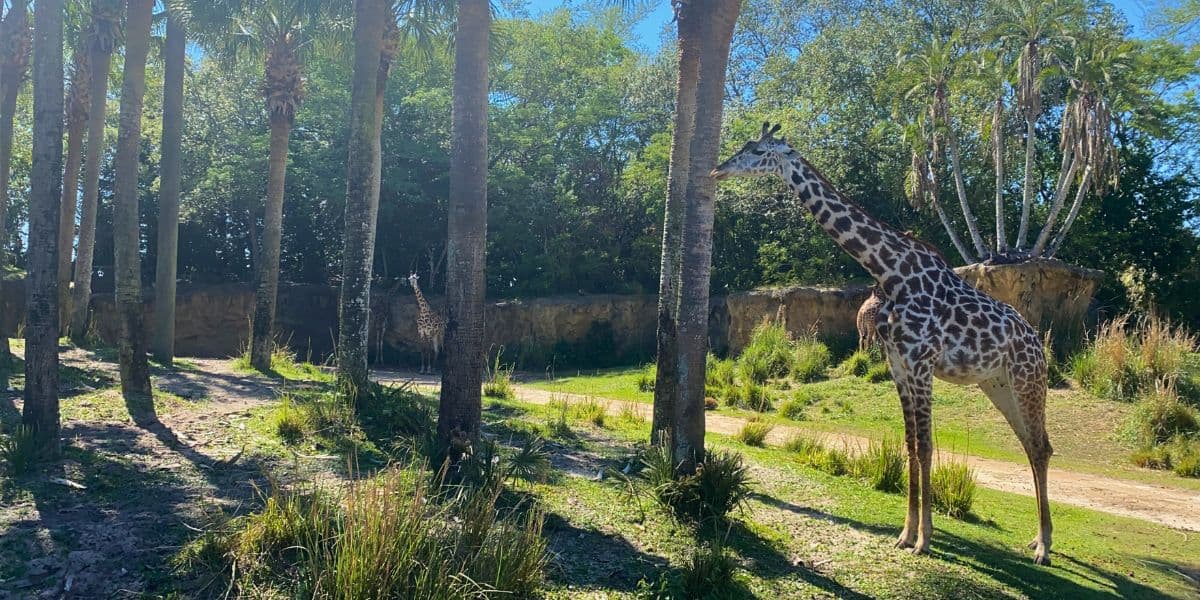
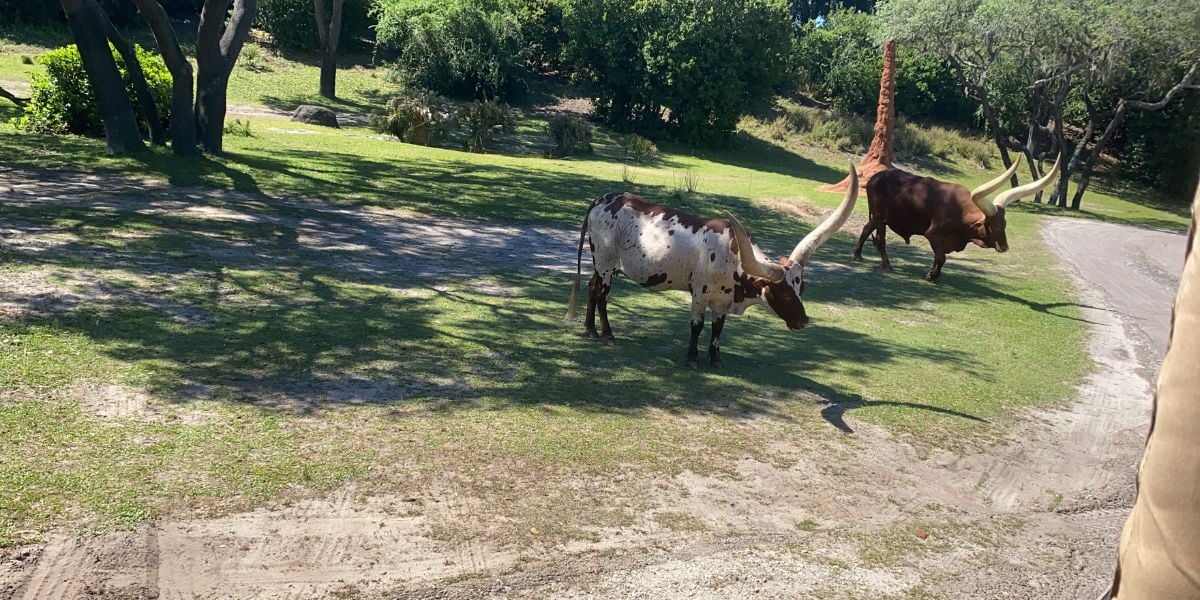
Kilimanjaro Safaris is a sprawling expedition taking guests through the Harambe Wildlife Reserve, home to free-roaming animals including elephants, giraffes, lions, zebras, rhinos, hippos, and crocodiles. The 18-minute journey uses large open-sided safari vehicles seating approximately 32 guests, with drivers who also serve as guides sharing insights about the animals.
The bridge crossing over the crocodile area represents one of the most visually striking moments as the vehicle traverses a narrow bridge with water visible below containing actual Nile crocodiles, apex predators that can grow up to 16 feet long and weigh over 1,000 pounds.
The lack of fencing or barriers on the bridge creates an immersive experience where guests feel genuinely close to dangerous wildlife, though the safari vehicle design with high sides and secure seating makes it extremely difficult for anyone to accidentally fall out under normal circumstances.
Broader Safari Safety Training
Cast members receive extensive training not just about the crocodile protocol but about all aspects of safari operation including animal behavior, emergency procedures, vehicle operation, guest safety, and storytelling. Drivers must identify all animals on the reserve, understand their behaviors, navigate the route efficiently, and manage guest expectations throughout the journey.
The crocodile protocol represents just one example of extensive safety planning Disney implements for attractions featuring live animals. Cast members are trained on what to do if scenarios happen even when those scenarios are unlikely and have never occurred, because preparedness means having established procedures ready rather than making decisions during crisis situations.