

For millions of devoted fans, stepping foot inside Walt Disney World or Disneyland is like returning home. These theme parks are the ultimate sanctuaries of nostalgia, safeguarding our most treasured childhood memories. Because of this deep emotional connection, it is entirely natural to want the Magic Kingdom to remain exactly as you left it.
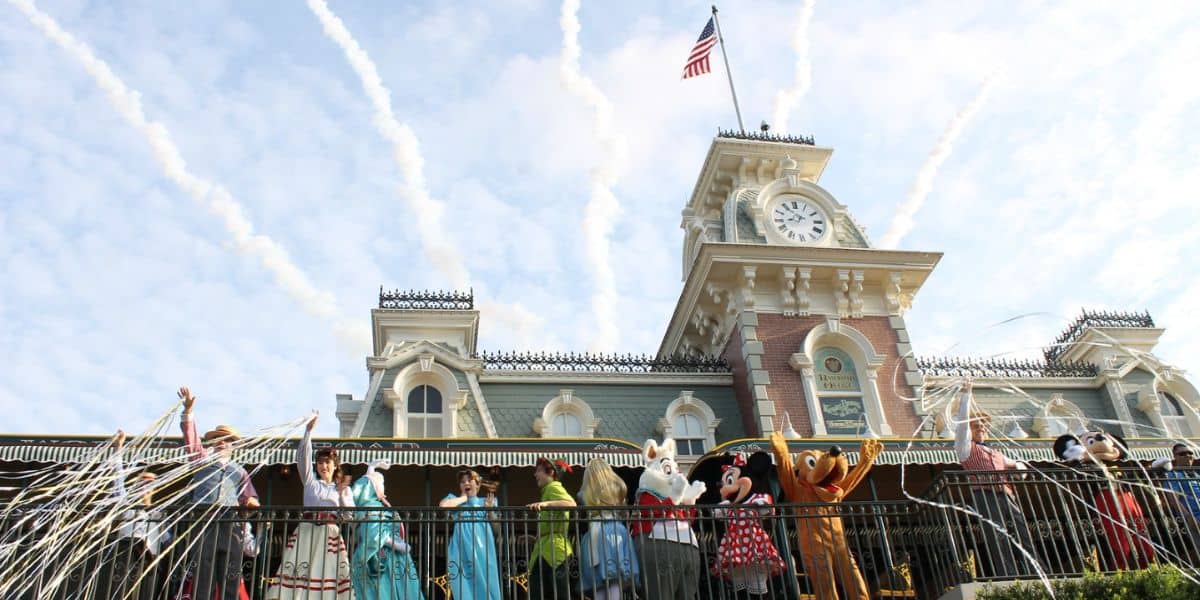
However, as D23: The Ultimate Disney Fan Event officially concludes today in Anaheim, California, a wave of massive new park expansions has once again triggered a familiar online debate. Whenever The Walt Disney Company announces a major refurbishment—whether replacing an outdated ride, introducing modern intellectual properties, or overhauling a beloved classic—a vocal segment of the fanbase protests loudly, pleading for the parks to remain untouched and demanding that the resorts stay perfectly “frozen in time.”
While this desire for preservation comes from a place of love, treating Disney parks like static historical museums contradicts the very foundation of the company. Continual change is not a betrayal of the past; it is the ultimate realization of Walt Disney’s original vision.
Walt’s Blueprint: “Disneyland Will Never Be Completed”
To understand why Disney World and Disneyland must constantly evolve, one needs only look at the philosophy of the man whose name is on the gate. Walt Disney was a ruthless innovator who never viewed his theme park as a fixed monument. To him, it was a living, breathing, and highly kinetic theatrical stage.
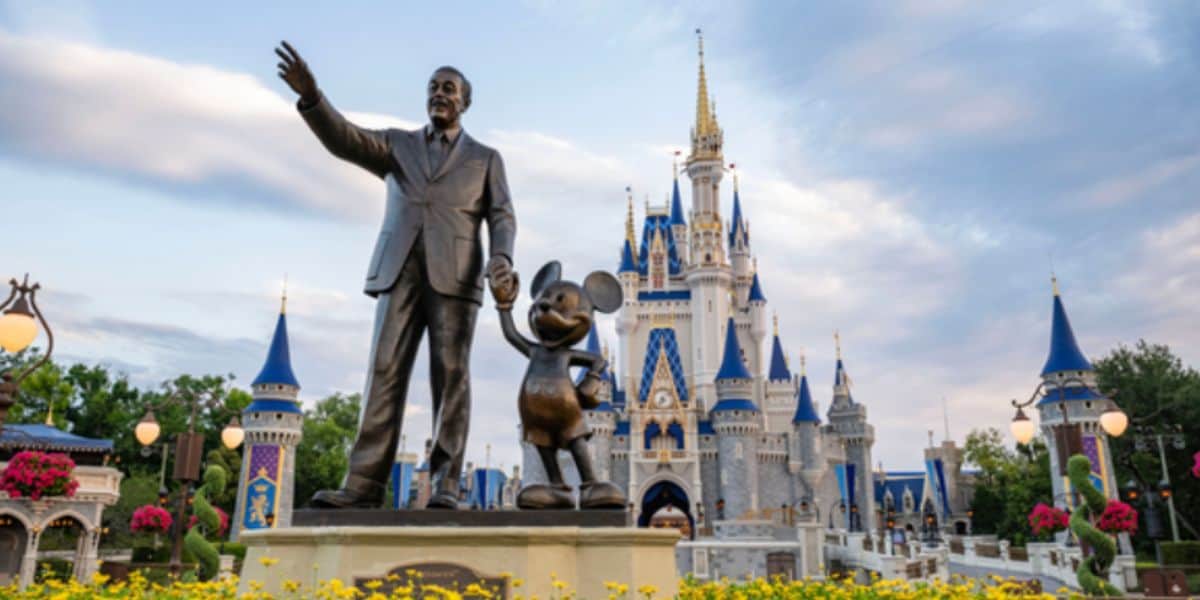
Walt famously declared, “Disneyland will never be completed. It will continue to grow as long as there is imagination left in the world.”
During his lifetime, Walt was never afraid to tear up concrete to install something better. He relentlessly pushed the boundaries of audio-animatronics, tinkered with existing attractions, and eagerly embraced new technology. If Disneyland had actually been kept “frozen in time” in its opening year of 1955, today’s guests would be visiting a charming but severely outdated amusement park completely devoid of iconic staples like Pirates of the Caribbean, the Haunted Mansion, and Space Mountain.
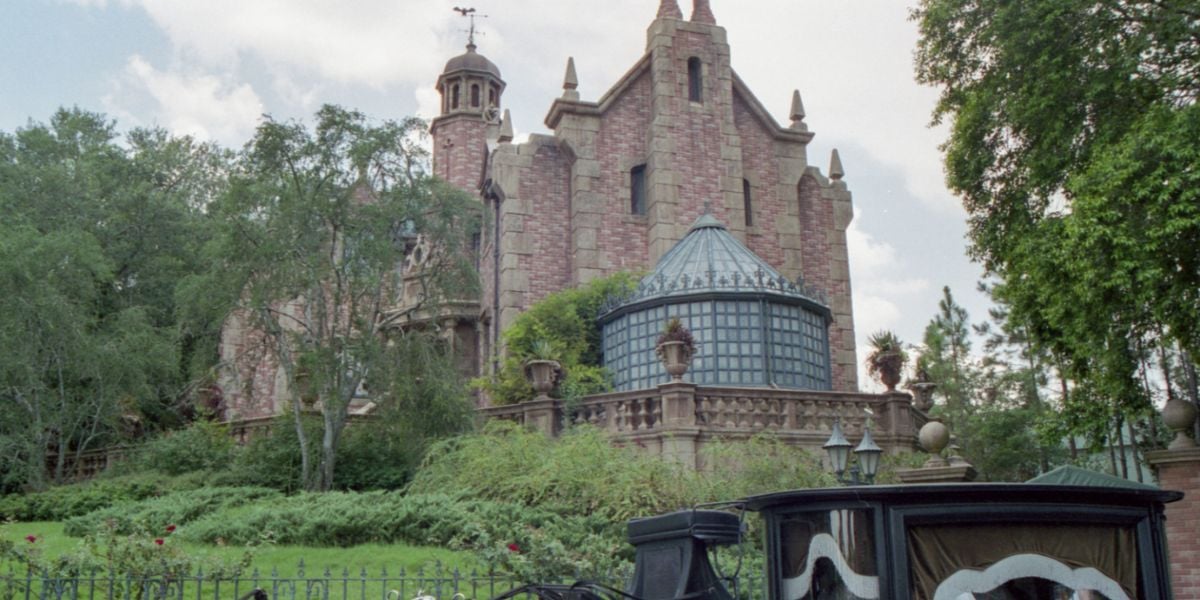
As legendary Imagineers have echoed for decades, none of the stories or attractions inside the parks were designed to be permanent, untouchable fixtures. As new technologies emerge and new stories capture the cultural zeitgeist, the parks were explicitly designed to flex and grow right alongside them.
The Caretakers of Progress: Disney Legend Kim Irvine
Successfully evolving a theme park while keeping its historic soul intact requires masterful execution. Few people understand this delicate balance better than Kim Irvine, a visionary creative who is being officially inducted today into the 2026 class of Disney Legends at the Honda Center.

After a staggering 55-year career at Walt Disney Imagineering, Irvine retired in 2025 as the Executive Creative Director for the Anaheim office, effectively serving as the creative conscience of Disneyland. A self-described “Disney Child,” Irvine was born into the company’s legacy. Her father, Harvey Toombs, was a classic Disney animator, and her mother, Leota Toombs, was the legendary Imagineer who provided the face for Madame Leota in the Haunted Mansion.
Throughout her five decades at WDI, Irvine spearheaded major refurbishments, color styling, and design updates for some of the park’s most beloved areas. She worked on everything from Sleeping Beauty Castle to the highly publicized 2021 Jungle Cruise updates, always ensuring that changes honored the original intent while pushing the aesthetic forward for modern audiences.
Irvine summed up Imagineering’s role with profound humility: “Our Guests own this place. This is their park. We just take care of it for them.”
This respect for the guests is exactly why the parks cannot stay static. Taking care of Disneyland does not mean trapping it in amber; it means ensuring it remains relevant, beautiful, and exciting for the next generation of guests.
The Art of Layering Magic
During her time at Imagineering, Kim Irvine literally walked in the footsteps of the original masters. She began her journey in 1970 in the famed Model Shop, painting dolls for “it’s a small world” and feathering the tropical birds for Walt Disney’s Enchanted Tiki Room. Mentored by titans like John Hench and Marty Sklar, she eventually helped establish the first Imagineering office directly onsite in Anaheim.
Irvine’s storied career is the perfect case study in how to honor Walt’s vision while implementing bold change. When the Haunted Mansion required a Nightmare Before Christmas holiday overlay, she did not casually replace her mother’s iconic Madame Leota performance. Instead, she stepped into the role herself. Technicians projected her mother’s original facial features onto a new life mask created from Kim’s own remarkably similar face.
The result was a seamless update that embraced new seasonal storytelling while literally keeping the park’s historical DNA alive. This is how true Imagineering operates: layering new magic on top of a fiercely protected foundation.
The Nostalgia Trap
The desire to keep the parks frozen in time usually stems from a specific generational bias. When fans claim they want to protect “Walt’s vision,” what they actually mean is that they want to protect the specific version of the park they experienced during their own childhoods. A guest who grew up in the 1980s has a completely different definition of a “classic” Disney trip than someone who grew up in the 2010s.

If Imagineering bowed exclusively to the pressure of nostalgia, innovation would stall entirely.
- The Technology Imperative: Walt was obsessed with using the absolute latest technology. Today’s trackless ride vehicles, complex drone shows, and multi-acre immersive lands are the modern equivalents of what Walt did with the Carousel of Progress at the 1964 World’s Fair.
- Cultural Relevance: Society changes, and so do the stories that resonate with families. Updating attractions ensures that characters and narratives reflect today’s audience, keeping the parks welcoming and relevant for everyone.
Embracing the Promise of Tomorrow
It is entirely okay to mourn the loss of a favorite childhood attraction. Leaving a piece of the past behind is always bittersweet. But as Kim Irvine steps up to accept her Disney Legend award today, she remembers the essence of Walt Disney’s legacy: you can deeply respect tradition without sacrificing the necessary march of progress.
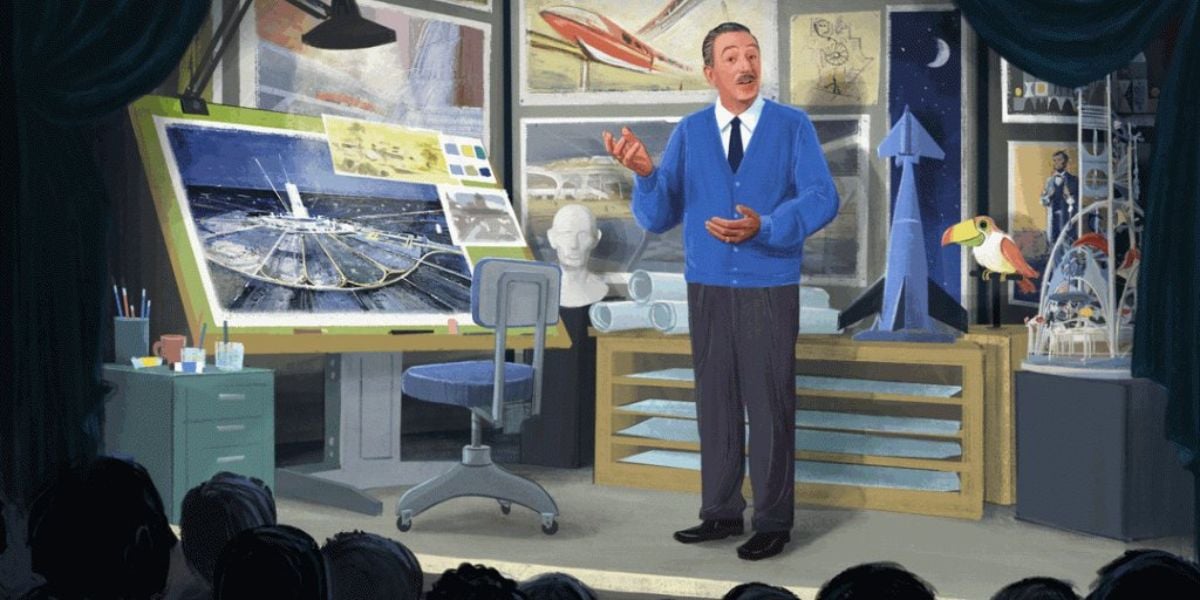
The next time you walk down Main Street, U.S.A., remember that the magic of Disney doesn’t come from keeping things the same. Walt Disney’s true vision was a restless, relentless pursuit of progress—a park that will never be finished, never be settled, and never be frozen in time.


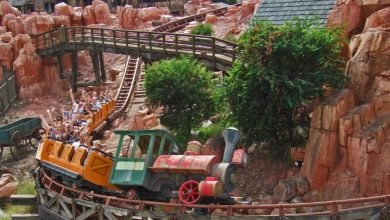

Constant change and innovation is what we love about Disneyland.