The Walt Disney Company and ABC earned a decisive First Amendment victory on Wednesday, November 25, 2026, after a federal judge barred the Federal Communications Commission from moving forward with an unprecedented early broadcast license review targeting ABC’s local television stations. In granting a preliminary injunction and denying the government’s motion to dismiss the case, U.S. District Judge Loren AliKhan found that ABC was “likely to succeed in their retaliation claim”—calling the dispute “not a close case.”

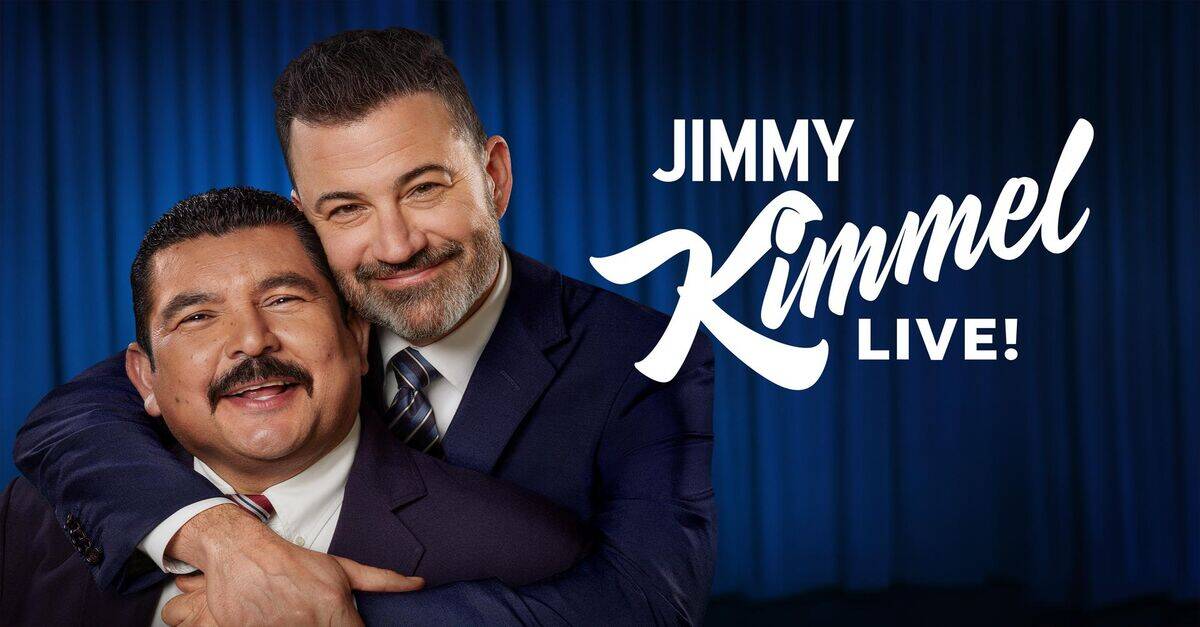
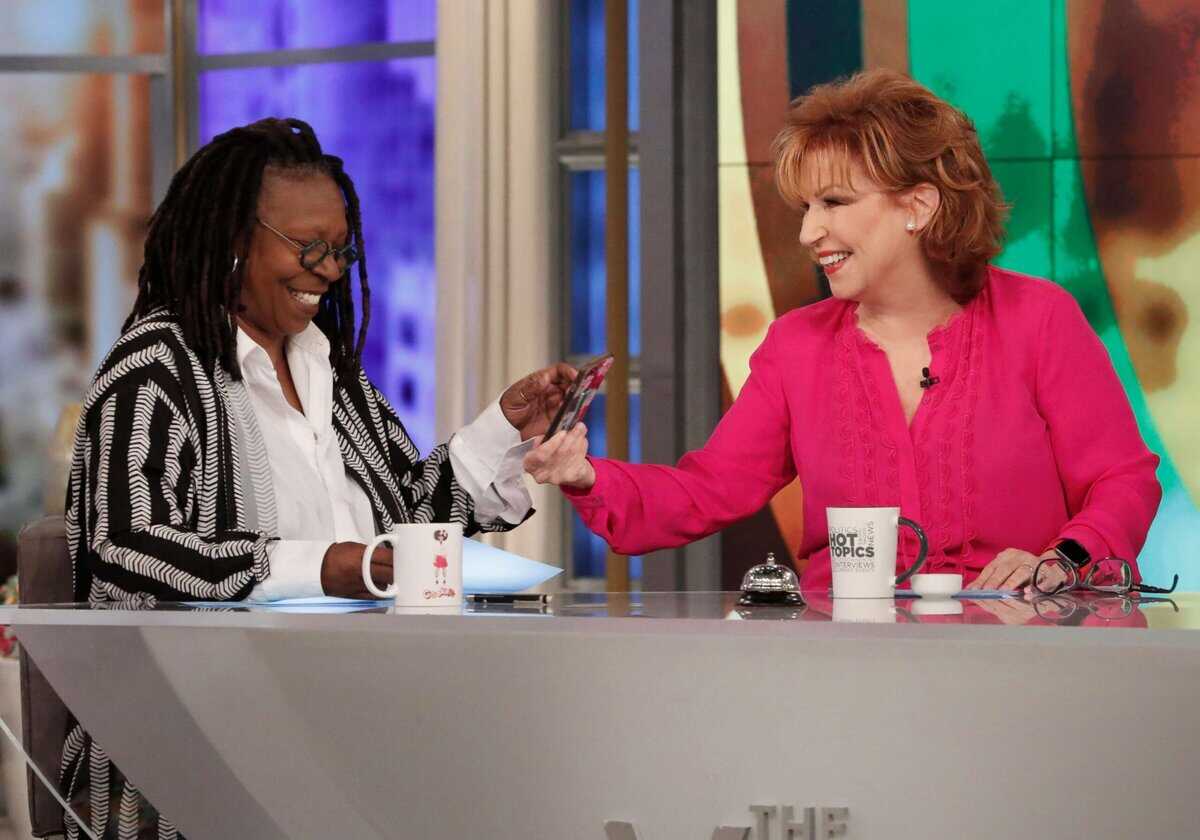
The ruling represents the first major courtroom defeat for the FCC’s aggressive regulatory campaign since the start of President Donald Trump’s second term. By halting the accelerated license proceedings, Judge AliKhan affirmed Disney and ABC’s argument that federal regulators had weaponized broadcast licensing to punish the network over its news coverage, daytime talk show The View, and late-night host Jimmy Kimmel.
Judge AliKhan Calls Out Chilling Effect on Broadcasters
In her Wednesday ruling in Washington, D.C., Judge AliKhan rejected the FCC’s claim that merely ordering an early license renewal review did not impose any immediate legal harm on the network. Emphasizing the high stakes surrounding federal television licenses, the judge wrote:
“Given the extreme, indeed existential, nature of the possible penalty Plaintiffs face—loss of their broadcast licenses—the court concludes that early license renewal proceedings create a risk sufficient to chill a broadcaster of ordinary firmness.”
Judge AliKhan noted that the FCC’s actions had already prompted ABC to alter its editorial choices for fear of losing licenses for its eight owned-and-operated local television stations. Her opinion pointed specifically to ABC’s decision to place Texas Democratic Senate candidate James Talarico’s guest appearance on Jimmy Kimmel Live on YouTube—outside the FCC’s over-the-air regulatory reach—rather than broadcasting it on television, as well as the network’s move to livestream President Trump’s July primetime speech out of concern over administration retaliation.
“These alterations to Plaintiffs’ editorial decisionmaking showcase how the Commission’s early license renewal proceedings have already curtailed Plaintiffs’ protected activity,” Judge AliKhan wrote. “That an objectively reasonable broadcaster faced with the same existential threat would follow suit is beyond debate.”
Inside the Clash Over Jimmy Kimmel, The View, and Early License Reviews
ABC became the first major media conglomerate to sue the FCC over its second-term enforcement wave when it filed its First Amendment lawsuit in August 2026. The suit followed an April order from FCC Chairman Brendan Carr requiring ABC’s eight owned broadcast stations to submit their licenses for early review—years ahead of their normal eight-year expiration cycle, with the earliest license not scheduled to expire until 2028.
In alleging unlawful political retaliation, ABC pointed to months of public attacks by President Trump against ABC News and Jimmy Kimmel, paired with explicit warnings from Chairman Carr. Judge AliKhan underscored that pattern in her opinion, noting that three co-hosts of The View, Kimmel, and ABC News reporters had all been listed on the White House’s “media offenders” webpage. She also highlighted the timing of the FCC’s license review order, which was issued just one day after Trump posted on Truth Social demanding that Kimmel be fired over a comedy skit aired the previous week.
During court proceedings, including a two-hour hearing in October, FCC attorneys argued that the early license renewal was tied to the agency’s inability to obtain documents from Disney during an investigation into the company’s diversity, equity, and inclusion practices. Regulators also insisted that ABC had to wait until the administrative review concluded and bring any appeal directly to the U.S. Court of Appeals for the D.C. Circuit rather than suing in district court.
Judge AliKhan rejected both arguments, holding that ABC’s First Amendment retaliation claim fell outside the standard statutory review process of the Communications Act and that being singled out for premature scrutiny itself inflicted a real constitutional injury:
“To be sure, Plaintiffs would face even greater injury if the FCC ultimately denied their renewal applications. But that does not mean that they are not currently being injured by allegedly being singled out for differential treatment—that is, from facing early license renewal proceedings years in advance of the standard expiration dates as a cudgel to stamp out unfavorable content about President Trump.”
During the October hearing, ABC attorney Beth Wilkinson had compared the network’s situation to the French Revolution, warning that forcing broadcasters under a regulatory guillotine and threatening license revocation amounted to an existential “death penalty” for local television stations.
What Comes Next for Disney, ABC, and the FCC
Chairman Carr has initiated investigations and regulatory reviews across all major broadcast networks, including an inquiry earlier in 2026 into whether The View was required to comply with the FCC’s Equal Time Rule. Following Wednesday’s injunction, an ABC News spokesperson described the decision as “an important victory for the First Amendment.” At the same time, the FCC maintained that the ruling was “wrong on the facts and wrong on the law” and vowed to continue defending its authority.
Meanwhile, FCC Commissioner Anna Gomez—the lone Democrat on the Commission—hailed the court’s intervention as a critical check on executive overreach:
“For nearly two years, the agency has weaponized its licensing authority to retaliate against broadcasters for exercising their right to free expression, and now a federal court has stepped in to put a check on that conduct,” Gomez said in a statement. “That brings badly needed accountability to a Commission and an administration that have politicized the machinery of government in a sustained campaign of censorship and control.”
With Judge AliKhan’s preliminary injunction now barring the FCC from taking any further action in the early renewal review, Disney and ABC have secured vital legal protection for their broadcast stations and editorial independence as the First Amendment lawsuit moves forward.