When the lights dimmed inside the arena at D23, theme park fans were primed for blockbuster cinematic tie-ins. Instead, Disney Experiences delivered what felt like an astonishing victory for traditionalists. Rather than just announcing another wave of box-office intellectual property overlays, leadership teased updates for four of the most legendary, long-neglected pillars across the resort empire: a full modernization of Spaceship Earth, the long-awaited return of Dreamfinder to Journey Into Imagination, a permanent structural fix for Expedition Everest’s broken Yeti, and a sweeping aesthetic overhaul of Disneyland’s Tomorrowland.

The crowd reaction was deafening. For decades, these four specific topics lived almost entirely on internet wishlists, podcast debates, and passionate fan petitions.
Yet as the euphoria of convention weekend dissolved, an uncomfortable reality began to set in. Weeks stretched into months, and Disney provided practically zero follow-up information. No start dates. No operational milestones. No closure schedules. No construction permits.
Then, the other shoe dropped: a fresh wave of job cuts swept through Walt Disney Imagineering (WDI), the very creative, architectural, and robotic core responsible for transforming conceptual sketches into physical theme park reality.
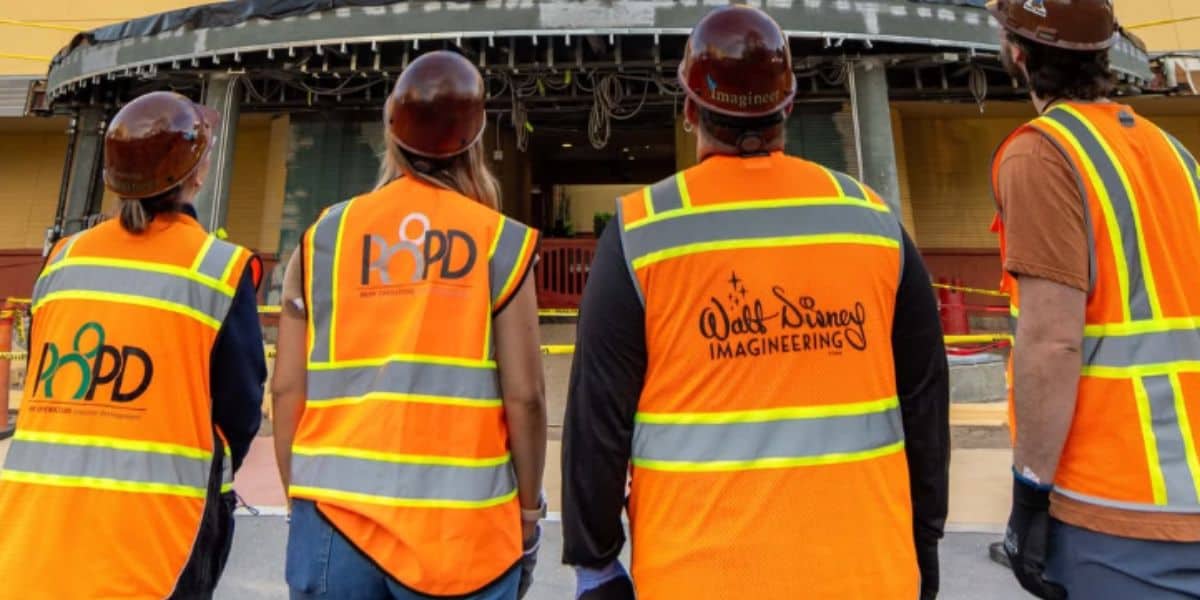
With pink slips circulating across Imagineering studios in Glendale, California, and Central Florida, a chilling question is rippling through the Disney community: Were these four historic projects ever real construction commitments, or were they merely convenient, crowd-pleasing illusions destined to be quietly shelved?
The Layoff Sting: Slashing the Hands That Build the Magic
The sudden spike in fan anxiety follows workforce reductions across the Disney Experiences division, hitting key teams within Imagineering’s Glendale headquarters and Orlando branches.
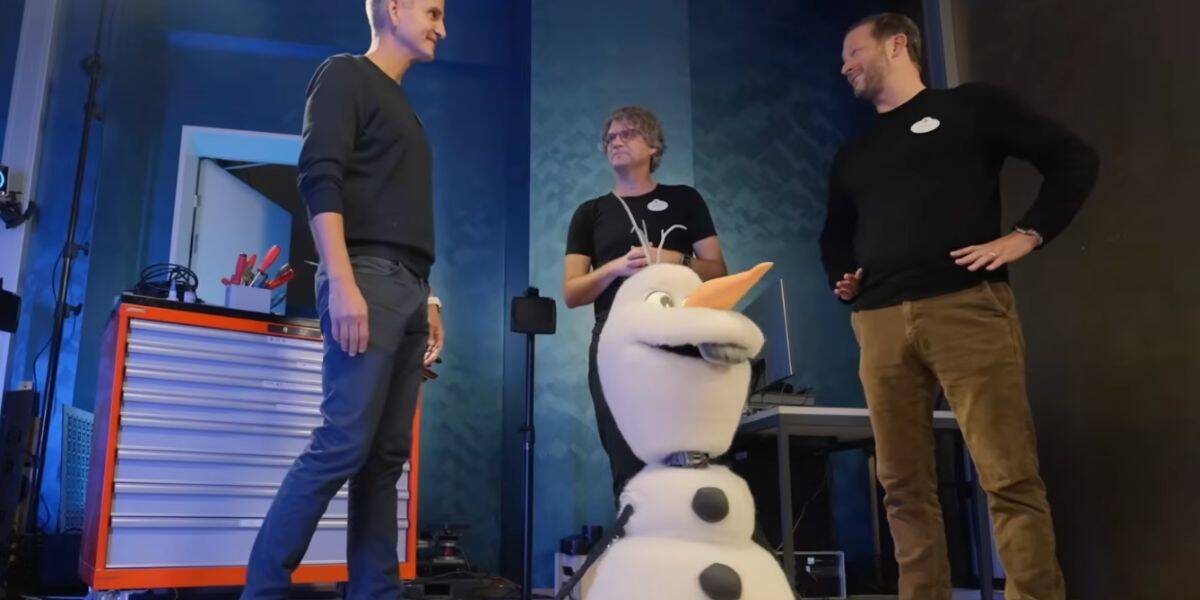
While corporate restructuring statements routinely describe workforce trims as routine administrative rebalancing—realigning project-based headcounts with shifting capital timelines—insiders and online observers tell a far gloomier story. Posts circulating across X and enthusiast forums point out the obvious contradiction: a company cannot realistically execute complex, delicate engineering overhauls on vintage attractions while simultaneously cutting the seasoned designers who understand how those aging systems function.
Unlike breaking ground on a blank plot of Florida swampland, working on legacy 1980s and 2000s attractions requires deep institutional memory. Understanding the eccentric electrical wiring of a geodesic sphere, the kinetic balance of a 25-foot mechanical creature, or the architectural quirks of mid-century Anaheim infrastructure is not knowledge you can outsource overnight. When veteran show designers, ride engineers, and model-makers walk out the door, the pipeline for delicate heritage projects inevitably freezes.
Four Grand Promises Wrapped in Total Silence
The layoffs landed with such force because they arrived on top of a growing sense of frustration regarding how little Disney actually shared on stage. While other high-profile land announcements came with scale models and preliminary concept art, the heritage updates were teased with glaringly sparse details.
1. Spaceship Earth’s Endless Limbo
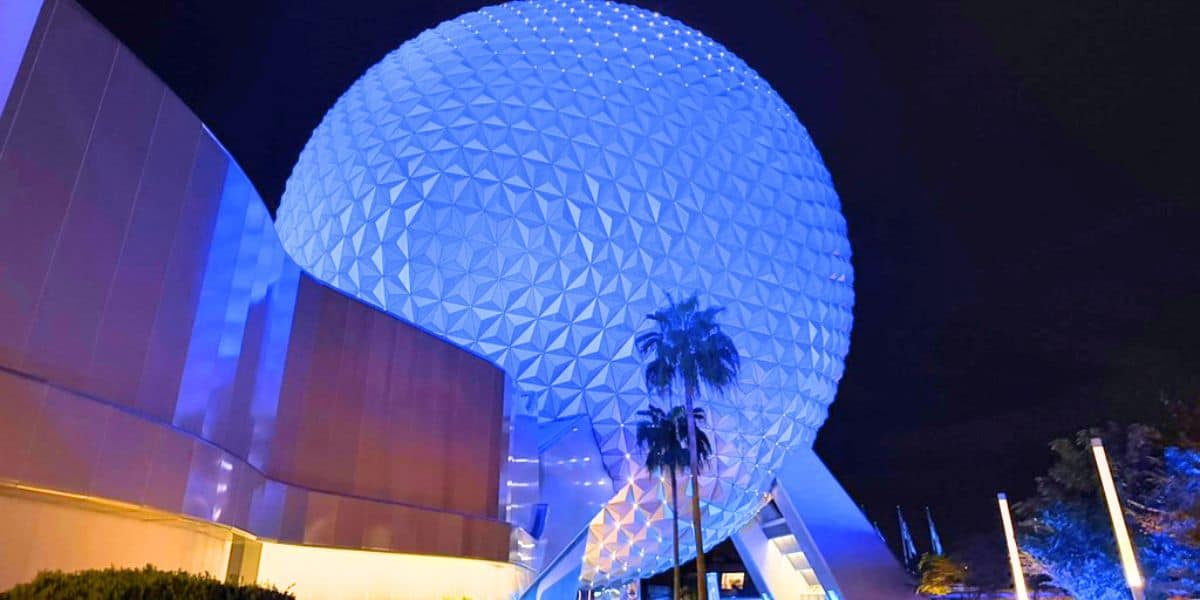
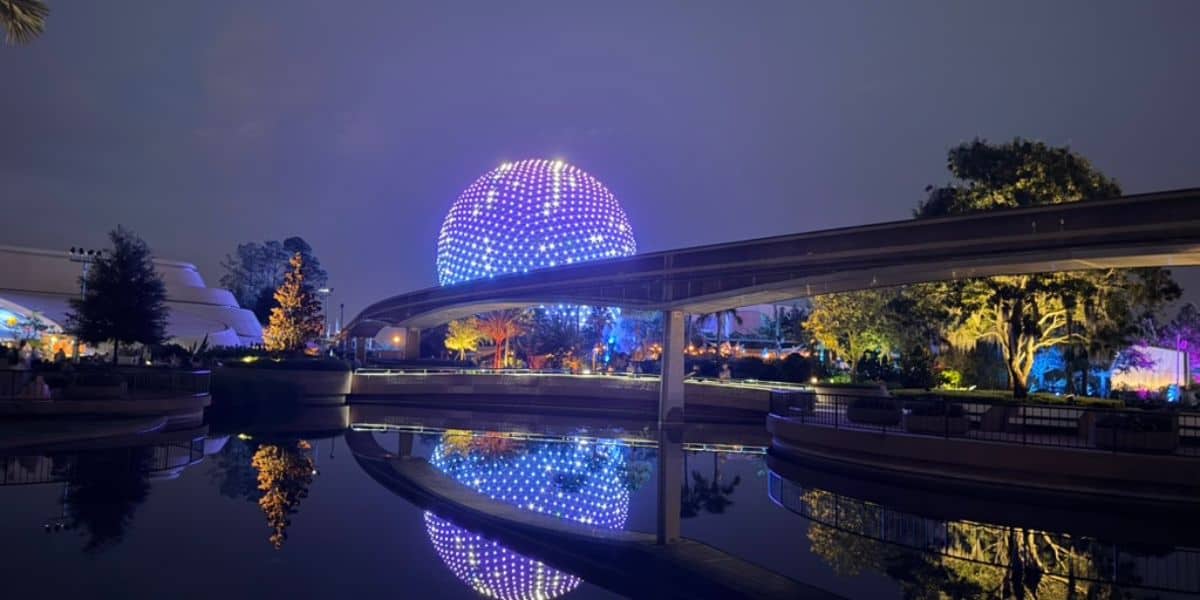
At EPCOT, Spaceship Earth remains in desperate need of mechanical rehabilitation. The track requires major technical work, and the ride’s descent still consists of placeholder video screens following the cancellation of its previously scheduled 2020 overhaul. Yet on stage, Disney offered no indication of whether the ride system would be fully rebuilt, what the new narrative direction might be, or when the iconic sphere would close to guests.
2. The Dreamfinder Mirage
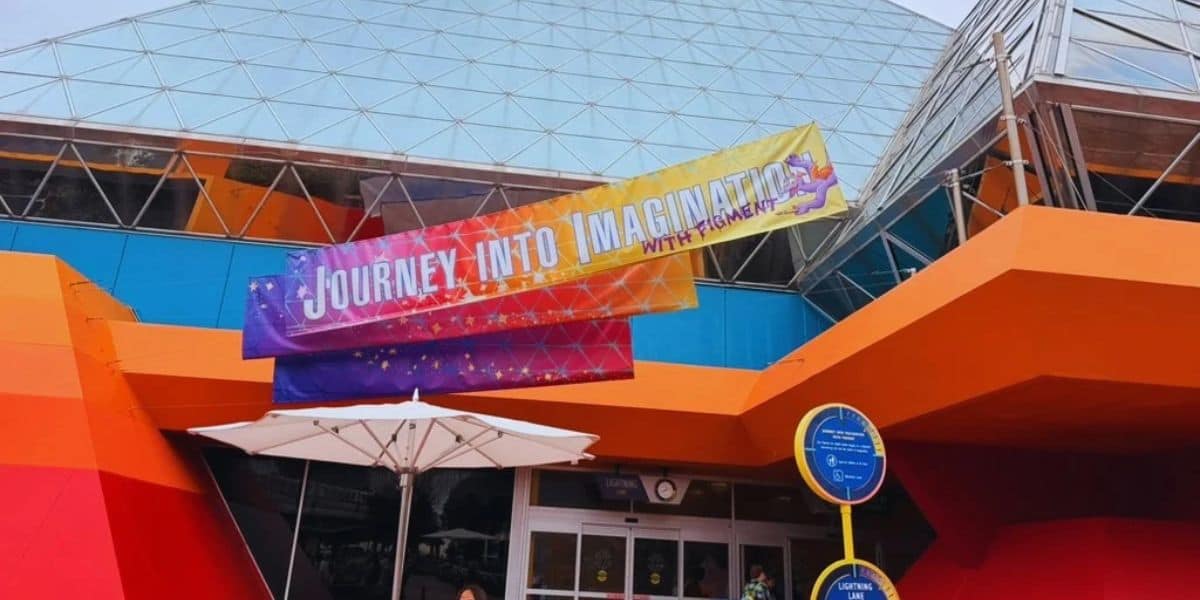
The mere mention of Dreamfinder returning to Journey Into Imagination sent shockwaves through the fandom. For more than two decades, fans have begged Disney to undo the sterile, unpopular modifications made to the original 1983 classic. But beyond acknowledging the character’s enduring legacy alongside Figment, Disney offered zero concrete parameters. Fans were left wondering: Is this a complete ground-up rebuild, a modest audio-animatronic swap, or simply a conceptual nod meant to generate applause?
3. The 20-Year “Disco Yeti” Stalemate
Over at Disney’s Animal Kingdom, promising to fix Expedition Everest’s 25-foot animatronic beast elicited immediate cheers. The colossal Yeti has remained frozen in strobe-light “Disco” mode since shortly after the coaster opened in 2006, immobilized by severe structural fractures in its independent concrete foundation. Yet Disney presented no engineering roadmap, no structural solution, and no mention of the massive, multi-month coaster shutdown necessary to perform open-mountain surgery.
4. Tomorrowland’s Perpetual Waiting Game
In Anaheim, the promise to finally “fix” Tomorrowland has been a staple of executive presentations for over two decades. The area remains a chaotic mishmash of outdated 1998 retro-futuristic bronze elements, crowded bottlenecks around the Astro Orbiter, and the ghostly, abandoned tracks of the defunct PeopleMover. Once again, Disney teased a fresh future without committing to a timeline, budget, or architectural master plan.
The “Value-Engineering” Trap
Theme park historians know that an onstage D23 tease carries no contractual guarantee. Over the past decade alone, fans have watched high-profile projects vanish into thin air once capital expenditures were re-evaluated behind closed doors. The planned Mary Poppins attraction in EPCOT’s United Kingdom pavilion, the multi-tiered festival center in World Celebration, and the interactive Play! Pavilion in the former Wonders of Life dome were all celebrated on stage before quietly disappearing from corporate investor presentations.

When budgets tighten, and corporate teams are trimmed, projects without modern box-office intellectual-property ties are almost always the first to be downscaled, deferred, or abandoned. They lack the immediate merchandise and multi-platform promotional synergy that corporate executives prioritize when defending bottom-line returns.
With zero concrete parameters established on stage and fewer Imagineering hands left on deck, these four beloved concepts fit the exact mold of “slow-burn” ideas that fade out without an official cancellation announcement.
Reality Check: All Talk, No Shovels
Disney has pledged to invest tens of billions into its theme park portfolio over the next decade, and management is well aware of how deeply the fan base reveres these four iconic properties.

However, until the Walt Disney World and Disneyland resorts actually file structural building permits, install construction barricades, and confirm ride closure dates, skepticism remains the safest posture. As pink slips thin out the ranks of Imagineering, the line between ambitious corporate vision and empty nostalgia bait has never looked thinner.