Disney’s ‘Star Wars’ Movie Plans in Jeopardy as Studio Weighs Cancellation

Something feels off in the Star Wars universe right now. From the outside, everything appears to be moving forward at full speed. New shows keep arriving, familiar characters return, and a long-awaited theatrical release is finally on the schedule. Yet beneath that surface activity, uncertainty lingers. A major Star Wars movie reportedly sits on shaky ground, and its future may hinge on a single, high-stakes moment. Fans sense it. The franchise feels busy, but not necessarily secure.
That matters because Star Wars has never operated quietly. Every creative or business decision sends waves through pop culture, and Disney appears to be reassessing which stories belong on the biggest stage.
How Star Wars Became Bigger Than Movies
Long before streaming entered the picture, Star Wars reshaped Hollywood. What began with Star Wars: Episode IV – A New Hope (1977) quickly became a generational phenomenon. The original trilogy redefined blockbusters. The prequels expanded the galaxy’s lore. The sequel trilogy attempted to bridge eras, sparking debate along the way.
Disney pushed that evolution even further. The franchise stopped being movie-centric and became an all-encompassing ecosystem. Disney+ series multiplied. Theme park lands materialized. LEGO sets, novels, comics, and animated projects filled every corner of the timeline. Star Wars stopped feeling like an event and started feeling constant.
That shift changed how Lucasfilm tells stories. Movies once carried the weight. Now, streaming often sets the tone.

When Streaming Starts Driving Strategy
Disney leaned hard into Disney+ as the new backbone of Star Wars. Shows like The Mandalorian helped steady fan enthusiasm after divisive reactions to recent films. Audiences responded to deeper character work, slower pacing, and weekly storytelling.
But success came with consequences. Streaming became the safest lane. Meanwhile, theatrical releases started to feel like risks rather than guarantees. That tension now puts pressure on a single project to prove that Star Wars can still thrive in theaters.
The Mandalorian and Grogu (2026)
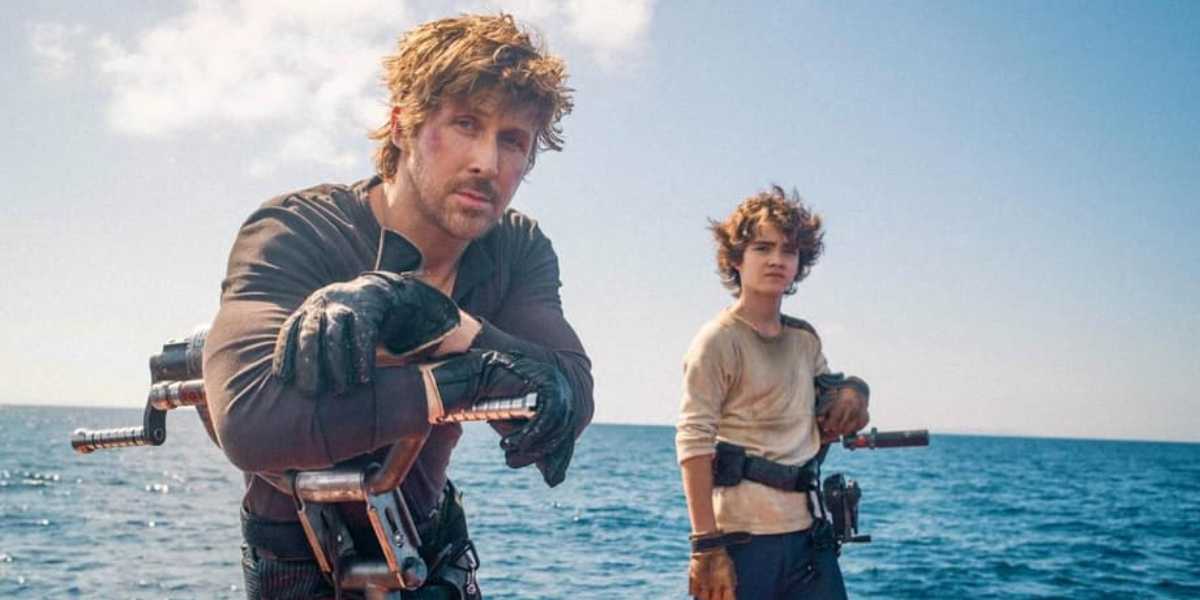
That test arrives with The Mandalorian and Grogu (2026). Slated for Memorial Day weekend, the film moves Din Djarin and Grogu from Disney+ to the big screen. This isn’t just another chapter. It’s a referendum on the entire Mando-era.
Audiences already know these characters well after three seasons of The Mandalorian. That familiarity creates comfort, but it also raises questions. Is this story essential enough to justify a theatrical experience? Or does it feel like something viewers expect to stream later?
Lucasfilm knows the answer matters. A strong box office run reinforces faith in theatrical Star Wars—a weak one forces hard decisions.

A Crossover Plan That May Not Stay a Movie
Industry chatter suggests those decisions could arrive quickly. The planned crossover project, often referred to as Heir to the Empire—designed to unite The Mandalorian, The Book of Boba Fett, and Ahsoka—may lose its theatrical future if confidence slips.
Instead, the project could shift into a Disney+ limited series. While that might sound reasonable, the implications run deep. This story was meant to cap the New Republic era with cinematic weight. A streaming pivot would feel like a retreat.

Leadership Changes Add to the Uncertainty
All of this unfolds during a leadership transition. Dave Filoni is now president and chief creative officer of Lucasfilm. His background favors long-form storytelling and interconnected narratives.
At the same time, reports suggest the crossover film has been pushed aside internally. Combined with Filoni’s expanded responsibilities, that pause fuels speculation about whether Lucasfilm plans to move away from the Mando-era altogether.
Other Paths Forward for Star Wars
Even amid uncertainty, other projects loom. Star Wars: Starfighter (2027), set after Star Wars: Episode IX – The Rise of Skywalker (2019), offers a fresh timeline. There’s also growing belief that Simon Kinberg’s proposed trilogy could take priority.
If those projects move forward first, Star Wars may drift away from Disney+–driven storytelling and back toward standalone theatrical visions.
Why the Risk Feels Real
Failure isn’t guaranteed, but the risks are clear. Franchise fatigue exists. Some viewers feel overwhelmed. Others may struggle to see urgency when streaming feels inevitable.
Tone also matters. What works in episodes doesn’t always translate into a cinematic experience. If The Mandalorian and Grogu feel like an extended episode, audiences may respond accordingly.
A Moment That Could Redefine the Galaxy
Star Wars once thrived on certainty. Movies felt monumental. Now the franchise stands at a crossroads. If The Mandalorian and Grogu (2026) succeeds, it could preserve ambitious crossover plans. If it stumbles, Lucasfilm may quietly pivot.
Either way, the future of Star Wars movies may be decided sooner than fans expect.