A Major Disneyland Rule Is Officially Disappearing, and Fans Have Been Waiting Years for This
Dining Experiences to Shift (for the Good)

For years, Disneyland Resort fans have planned entire vacations around one frustrating reality: waiting. Waiting for ride reservations. Waiting for crowds to clear. And, perhaps most notoriously, waiting until 11 a.m. just to move between Disneyland Park and Disney California Adventure with a Park Hopper ticket.
That restriction has quietly shaped the way guests experience the parks since it was introduced following the resort’s reopening era. Entire rope-drop strategies changed overnight. Morning spontaneity disappeared. Locals especially felt the difference as quick park-to-park visits became far more rigid than longtime guests remembered.
Now, fans are noticing something major is finally changing.
And after years of complaints, discussions, and speculation across the Disney community, Disneyland Resort appears ready to give guests back one of the freedoms they’ve been asking for the most.
Disneyland Guests Have Been Waiting Years for This Change
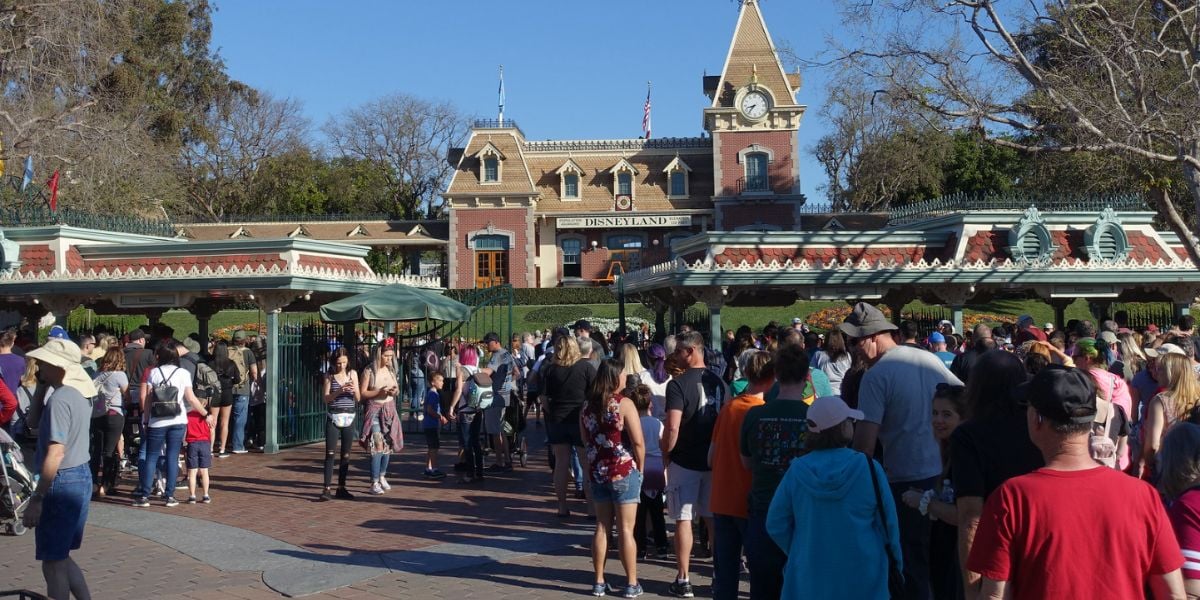
The Disneyland Resort experience has always felt different from Walt Disney World. One of the biggest reasons is proximity. At Disneyland, the two parks sit directly across from one another, allowing guests to walk between them in just minutes.
For decades, that flexibility became part of the magic.
Guests could grab breakfast in Disneyland Park, hop over to Disney California Adventure for an attraction, then return for nighttime entertainment without overthinking logistics. It created a fast-moving, energetic experience that many locals and longtime visitors considered essential to Disneyland’s identity.
But when the 11 a.m. Park Hopper restriction was implemented, fans immediately felt the impact.
Suddenly, mornings became locked to one park. Guests who paid extra for Park Hopper access no longer had the same freedom they once enjoyed. For Magic Key holders especially, spontaneous visits became far more complicated.
Guests are already reacting online as news of the rule’s removal spreads throughout the Disney community.

A Surprising Disneyland Rule Is Officially Going Away
According to information now posted on Disney’s official Travel Agent website, Disneyland Resort is officially ending the 11 a.m. restriction beginning June 9, 2026.
The updated policy states:
“Beginning June 9th, 2026, Disneyland Resort guests with Park Hopper tickets and Magic Key passes will be able to cross between parks without having to wait until 11 AM, subject to availability of the applicable park.”
NEW: Disneyland is eliminating the 11 a.m. Park Hopper restriction starting June 9. With this change, guests with Park Hopper tickets and Magic Key passes will be able to move between Disneyland and Disney California Adventure at any time, subject to park availability. – @ScottGustin on X
NEW: Disneyland is eliminating the 11 a.m. Park Hopper restriction starting June 9.
With this change, guests with Park Hopper tickets and Magic Key passes will be able to move between Disneyland and Disney California Adventure at any time, subject to park availability. pic.twitter.com/yfqDc44mc0
— Scott Gustin (@ScottGustin) May 19, 2026
That means eligible guests will once again be able to move between Disneyland Park and Disney California Adventure much earlier in the day.
However, one important system is still remaining in place.
Guests will continue needing to make a park reservation and select which park they intend to start their day in. Disney still uses those reservations to estimate crowd distribution and operational demand during the early morning hours.
Even so, this marks one of the most significant flexibility changes Disneyland has introduced in years.

Fans Are Noticing What This Means for Park Strategy
This isn’t just a minor operational adjustment. For many Disneyland guests, this completely changes how they plan a day at the resort.
Morning park hopping opens the door for far more efficient touring strategies. Guests may now choose to rope drop one attraction before quickly crossing to the other park for lower wait times elsewhere. Dining reservations become easier to manage. Entertainment schedules become less restrictive.
Locals may benefit the most.
Magic Key holders often visit Disneyland Resort for shorter, more casual trips rather than full-day vacations. The ability to move freely between both parks early in the day restores much of the spontaneity that longtime Annual Passholders once loved about Disneyland.
Fans are noticing that this also brings Disneyland more in line with Walt Disney World’s current Park Hopper flexibility, where guests already enjoy fewer movement restrictions between parks.
And after years of operational limitations introduced during the post-closure period, many guests see this as Disney finally loosening its grip on one of the resort’s most controversial systems.

Disneyland Resort May Be Entering a More Flexible Era
This latest change arrives during a period where Disney parks continue evolving around guest feedback, crowd flow, and overall visitor satisfaction.
Over the past several years, Disneyland Resort has faced criticism surrounding reservation systems, rising costs, attraction closures, and reduced spontaneity inside the parks. While many operational changes were originally introduced for capacity management, some fans argued the experience no longer felt as carefree as it once did.
That’s why this announcement feels larger than just Park Hopper access.
For many guests, it signals Disney acknowledging how important flexibility is to the Disneyland experience itself.
A surprising change like this may also indicate Disney is growing more confident in its ability to manage crowds without relying on tighter guest movement restrictions.
And if guest reactions are any indication so far, this is one update many fans are more than ready to embrace.

What This Could Mean for Disneyland Guests Going Forward
Beginning June 9, Disneyland Resort guests may experience the parks in a way that feels far more familiar to longtime fans.
The return of early park hopping could dramatically reshape touring plans, reduce some frustrations, and restore a level of spontaneity many believed had disappeared from Disneyland altogether.
Of course, reservations are not going away entirely, and Disney will still maintain availability controls between the two parks. But removing the 11 a.m. waiting period represents one of the clearest signs yet that Disneyland may finally be moving into a more guest-flexible future.
For locals, vacationers, and longtime Disney fans alike, that could end up being one of the most meaningful changes Disneyland has made in years.