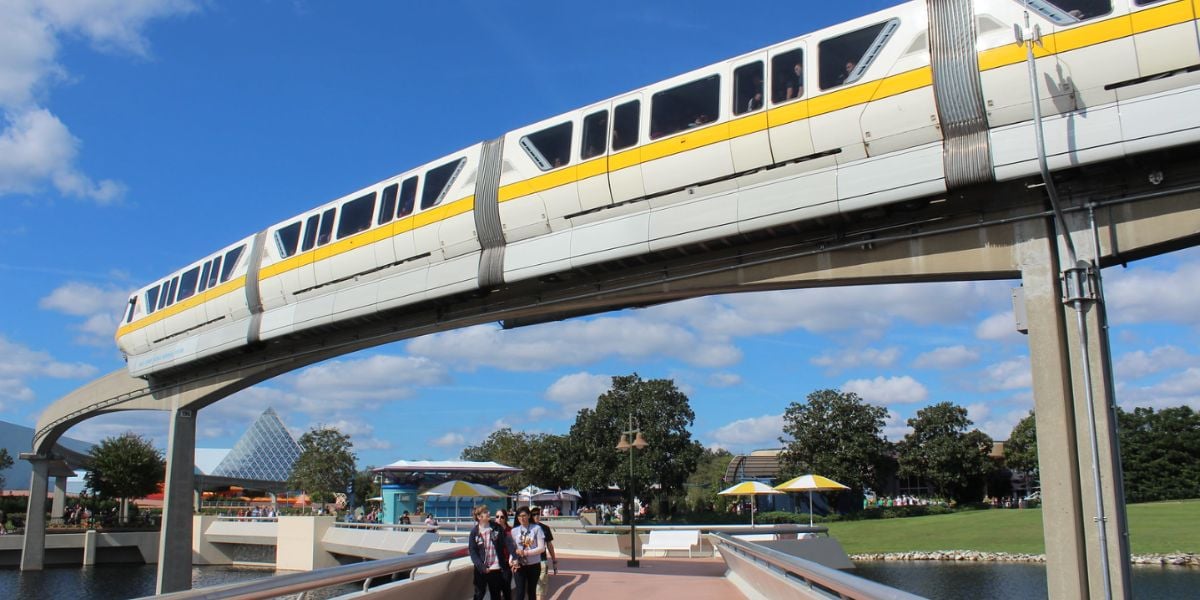
For more than fifty years, the Walt Disney World Monorail System has served as the undisputed crown jewel of theme park transit. Gliding gracefully above Seven Seas Lagoon, slicing through the atrium of Disney’s Contemporary Resort, and offering breathtaking views of Cinderella Castle, the “Highway in the Sky” is far more than a way to get around—it is an iconic attraction in its own right. For generations of parkgoers, stepping onto the monorail beamway is the exact moment a Disney vacation truly begins.
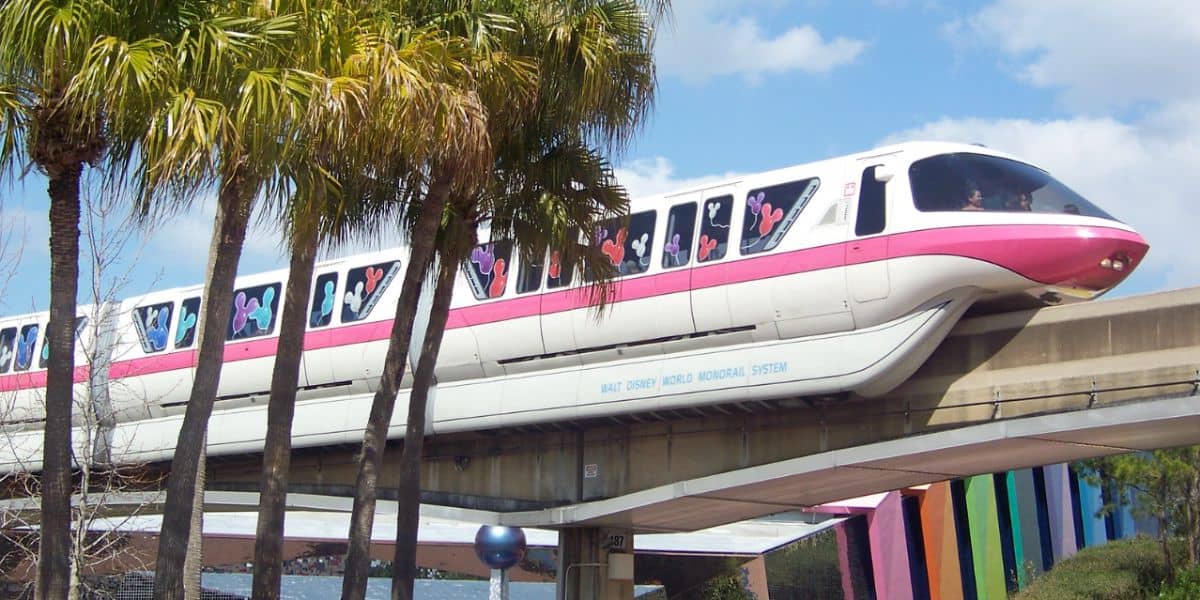
However, beneath the sleek retro-futuristic exterior and the famous recorded chime of “Por favor manténgase alejado de las puertas,” a far less magical story is unfolding. The aging monorail system is under severe operational strain, and recent breakdowns have pushed the infrastructure past its limits. When the primary monorail loop fails, and secondary backup systems simultaneously collapse, thousands of guests are left stranded in logistical gridlock.
As Disney prepares to invest $60 billion in its parks and resorts over the next decade, one urgent project can no longer be delayed: a complete, phased shutdown, a full structural overhaul, and a modern expansion of the Walt Disney World Monorail network.
When the Backups Fail: The Great TTC Gridlock
The fragility of Disney’s current transportation setup was dramatically exposed during a recent series of operational failures. As reported by Inside the Magic and echoed on social media, a routine disruption on the Express Monorail line escalated into a full-scale logistical meltdown when backup transportation collapsed simultaneously.
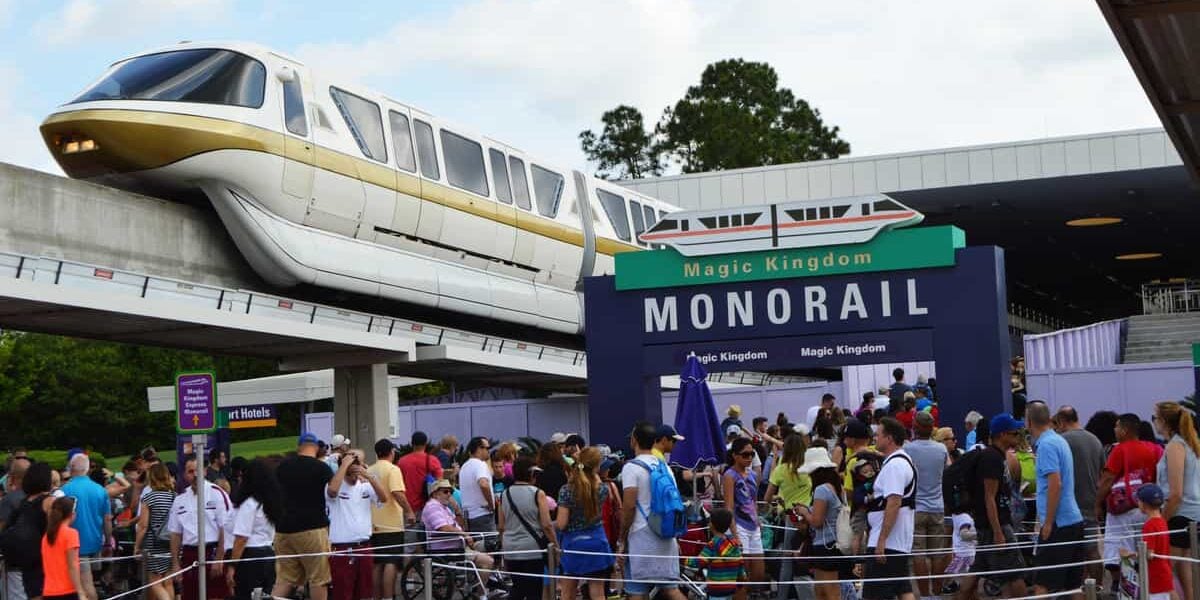
During a heavy park exit rush at Magic Kingdom, the Express Monorail loop suffered an unexpected technical failure. Under normal operating conditions, Cast Members quickly reroute crowds toward the Seven Seas Lagoon Ferryboats or the Resort Monorail line. But on this night, secondary transit options suffered simultaneous downtime and severe capacity bottlenecks.
With the main monorail loop out of commission and ferryboat operations severely delayed, massive crowds backed up across the Transportation and Ticket Center (TTC) plaza. Families returning from a full day in the parks were stuck in gridlocked queues stretching past security checkpoints. The ripple effect quickly overwhelmed the Resort Monorail, sending wait times soaring at Disney’s Grand Floridian Resort & Spa, Polynesian Village Resort, and Contemporary Resort.
When backup transit fails alongside the primary artery, it reveals a system running on the absolute edge of failure. A world-class resort destination simply cannot afford to let its transit grid freeze during peak operational hours.
Forty Years on the Beam: The Mark VI Problem
To understand why these operational meltdowns are happening with increasing frequency, you have to look at the machinery’s age. The current Mark VI monorail fleet debuted at Walt Disney World between 1989 and 1991. Built by Bombardier, these trains have been running 365 days a year for nearly four decades.
While Disney has performed routine maintenance, interior refreshes, and fresh paint jobs over the years, the core mechanical infrastructure is showing its age.
Several critical issues plague the aging Mark VI fleet:
- Drive System Exhaustion: Decades of friction, humidity, and heavy passenger loads have worn down drive motors, power collection shoes, and electrical bus bars.
- Finicky Door Sensors: Minor delays are constantly triggered by misaligned door sensors, requiring manual resets that cascade across the entire beam.
- Cabin Climate Strain: Florida’s intense summer heat regularly overpowers monorail air conditioning units, forcing trains to be pulled from service mid-day.
- Beamway Weathering: The elevated concrete beams spanning the Magic Kingdom and EPCOT lines require continuous structural monitoring after decades of heat expansion and tropical storms.

Quick overnight fixes and temporary patches are no longer enough to prevent major system meltdowns. The hardware is simply running on borrowed time.
The Case for a Complete Shutdown and Rebuild
Taking the monorail offline sounds unthinkable to Disney fans, but major municipal transit networks in cities like New York, London, and Tokyo regularly shut down lines for total modernization. Disney must adopt the same long-term mindset.

A phased, section-by-section shutdown of the Walt Disney World Monorail system would allow Imagineers and transit engineers to execute a ground-up transformation:
- Introduce a Next-Gen Fleet (Mark VII / Mark VIII): Replace the aging Mark VI trains with a modernized fleet featuring higher-capacity cabins, advanced climate control, regenerative braking, and wider automated doors.
- Implement Modern Signal Controls (CBTC): Upgrade from legacy block signaling to Communications-Based Train Control (CBTC), enabling trains to run safely at closer intervals and vastly increasing hourly capacity.
- Refurbish the Beamways: Reinforce, resurface, and re-wire the elevated concrete structures across both the Magic Kingdom and EPCOT loops.
While taking loops offline for 6 to 12 months would require temporary bus and ferryboat shuttle adjustments, the short-term inconvenience would deliver an ultra-reliable, state-of-the-art system for the next fifty years.
Expanding the Highway in the Sky
If Disney commits the capital to rebuild its flagship transit system, it shouldn’t stop at modernizing the existing lines—it should expand them.
While the Disney Skyliner aerial gondolas have successfully connected EPCOT and Disney’s Hollywood Studios to select resorts, the monorail remains the ultimate guest experience. An expanded monorail grid could finally link Disney’s Hollywood Studios, Disney’s Animal Kingdom, and Disney Springs into a unified, car-free transit ecosystem.
Honoring Walt’s Vision
When Walt Disney first designed the monorail, it wasn’t built as a static museum piece—it was created to showcase the clean, efficient future of public transportation.
Allowing the Highway in the Sky to suffer recurring breakdowns and backup failures dishonors that legacy. It is time for Disney to stop applying temporary band-aids to a thirty-five-year-old fleet. By taking the lines offline for a full overhaul and expansion, Disney can restore the monorail to its rightful status as a reliable, world-class miracle of transportation.