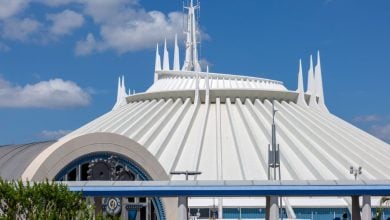
Halloween is already reshaping Walt Disney World Resort, and the most important change for guests may have less to do with pumpkins than with how crowds move through the parks. Mickey’s Not-So-Scary Halloween Party began at Magic Kingdom on August 7, while recent weekly wait-time data supplied for this assignment shows several headliners still posting substantial averages across all four theme parks.
That matters because “fall equals low crowds” is an increasingly unreliable planning shortcut. Halloween party nights can shorten the regular Magic Kingdom day, redirect non-party guests elsewhere and create very different crowd patterns depending on the date. What the available evidence does not show, however, is that Disney is deliberately reducing ride capacity to inflate waits and push guests toward paid Lightning Lane products.
Disney World Halloween Wait Times Are Sending Mixed Signals
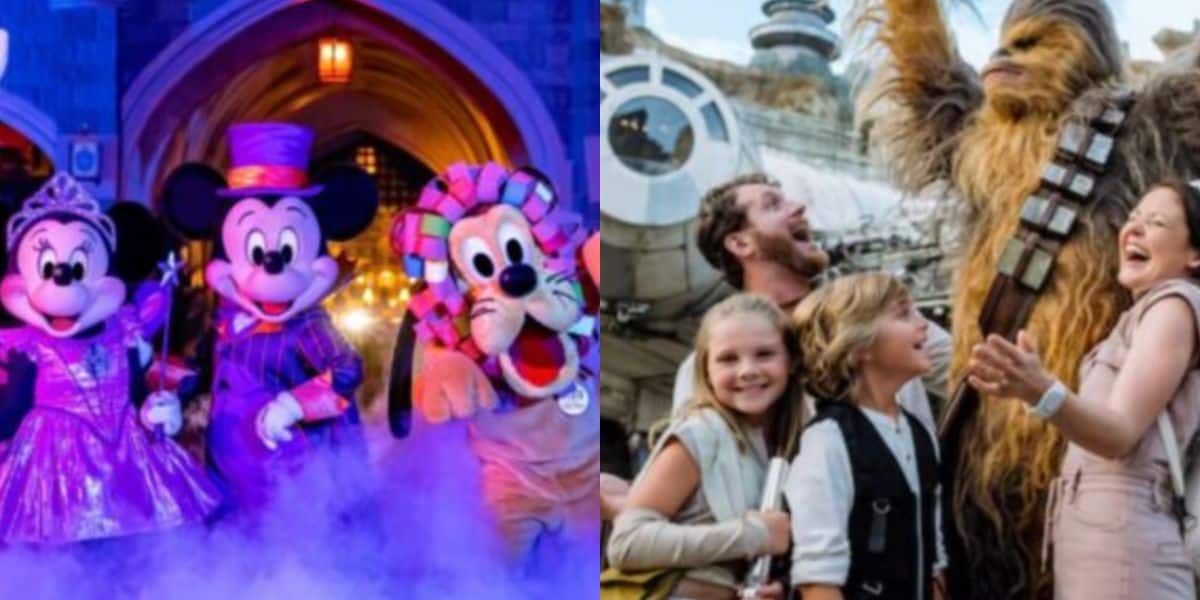
Recent weekly averages show why a single “crowd level” can mislead. At Magic Kingdom, TRON Lightcycle / Run averaged 56 minutes, Seven Dwarfs Mine Train 43 minutes and Space Mountain 33 minutes. Haunted Mansion, despite the Halloween season, averaged 20 minutes.
Elsewhere, Guardians of the Galaxy: Cosmic Rewind averaged 69 minutes at EPCOT, while Test Track averaged 64. At Disney’s Hollywood Studios, Slinky Dog Dash averaged 53 minutes and Rock ’n’ Roller Coaster Starring The Muppets 51. Avatar Flight of Passage led Disney’s Animal Kingdom at 50 minutes.
Meanwhile, Halloween demand itself has been visible for months. Inside the Magic previously reported that multiple Mickey’s Not-So-Scary Halloween Party dates had already sold out before the season was fully underway.
Halloween Changes Magic Kingdom’s Operating Day
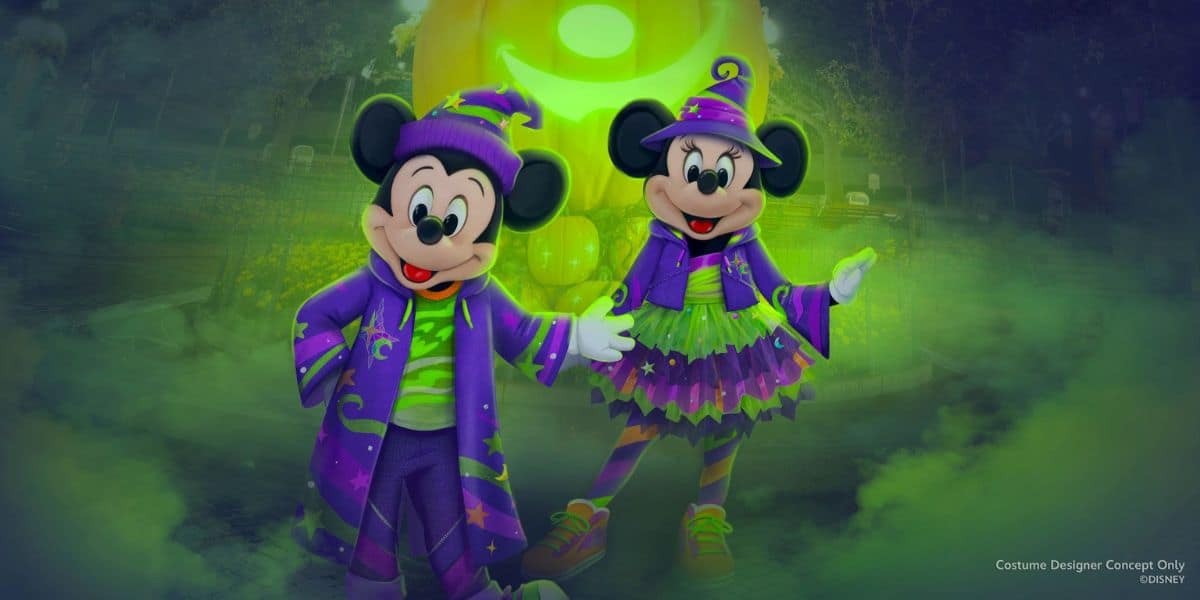
The biggest structural change is Mickey’s Not-So-Scary Halloween Party. Disney’s official event page confirms that the separately ticketed event runs on select nights from August 7 through October 31, 2026, from 7 p.m. to midnight. Party ticket holders can enter Magic Kingdom beginning at 4 p.m.
On at least some party dates, Disney’s official calendar shows Magic Kingdom closing to regular daytime guests at 6 p.m. For example, the August 11 calendar listed regular park hours from 8 a.m. to 6 p.m., followed by the Halloween party from 7 p.m. to midnight.
That creates a counterintuitive dynamic. Party days may look less attractive to guests without event tickets because the regular park day ends early. Non-party days can become more attractive to visitors wanting a full Magic Kingdom evening, potentially concentrating demand.
Inside the Magic has already tracked Disney’s operating-hour adjustments around early Halloween party dates, including earlier openings on select dates. That context beats assuming September means shorter lines.

The “Fake Low-Crowd” Theory Goes Beyond the Evidence
There is a tempting narrative here: guests expect lighter fall crowds, standby waits remain uncomfortable, and Disney sells a paid way to bypass those standby lines. Disney’s current Lightning Lane system explicitly markets passes as a way to “save time in line,” with Multi Pass, Single Pass and Premier Pass options available depending on the attraction and park.
But that commercial incentive is not evidence of artificial wait-time inflation. No verified source reviewed for this article establishes that Walt Disney World is intentionally cutting attraction capacity during supposedly slower fall periods to make standby lines longer or pressure guests into buying Lightning Lane.
It is also important to use the current terminology. Genie+ is no longer the name of Disney World’s paid line-skipping service. Disney says Lightning Lane Multi Pass replaced Disney Genie+ service, while Lightning Lane Single Pass replaced individual Lightning Lane entry.
The supportable takeaway for vacation budgets: lower overall attendance, even when it occurs, does not guarantee low waits at the attractions guests care about most.

Party Nights Can Redistribute Crowds, Not Eliminate Them
Halloween season adds another variable because Magic Kingdom’s calendar is split between regular evenings and party evenings. Disney’s 2026 schedule includes nine party dates in August, 13 in September and 16 in October.
The event includes attraction access alongside exclusive entertainment such as Mickey’s Boo-To-You Halloween Parade, Disney’s Not-So-Spooky Spectacular and the Hocus Pocus Villain Spelltacular. Inside the Magic has also detailed the 2026 Halloween character lineup and Disney’s costume rules for party guests.
That frequency gives travelers a reason to plan by day, not simply by month. Guests who skip a party date may gain more nighttime hours at Magic Kingdom on another day, but they could also be making the same choice as thousands of other visitors.
Wait times are also only one measure of the guest experience. A 20-minute Haunted Mansion average and a 56-minute TRON average can coexist because attraction capacity, popularity, downtime and guest movement differ from ride to ride. A seasonal label can flatten those differences into misleading advice.

What Disney World Guests Should Watch This Fall
Over the next four to eight weeks, treat each date as its own operating environment. Check Disney’s official calendar for Magic Kingdom closing times and party nights, identify the few attractions that matter most to your group, and compare the value of standby waiting against any Lightning Lane purchase rather than assuming one is necessary.
Halloween is unquestionably underway at Walt Disney World, but a guaranteed low-crowd season is not. Inside the Magic has already examined how Halloween party nights affect Magic Kingdom’s regular nighttime schedule. The next meaningful signal will be how attraction waits behave deeper into September and October, when party frequency, EPCOT’s fall festival traffic, school calendars and changing park hours can alter where guests spend their time.
What remains unknown is just as important: Disney does not publish daily theme-park attendance figures or attraction-capacity decisions in a form that would substantiate claims of engineered standby inflation. Until evidence shows otherwise, guests should treat “Disney manipulates fall wait times to sell Lightning Lane” as a theory—not a confirmed operating strategy.