Disney Was Ready To Build DisneySea in California—Then Everything Fell Apart

Today, DisneySea is synonymous with Tokyo Disney Resort. For many fans, it’s considered Disney Imagineering at its absolute best.
But according to a resurfaced report from SFGATE, DisneySea almost had a California address.
Before Disney California Adventure, before Avengers Campus, and before Disneyland Resort expanded into the destination it is today, Disney planned an enormous waterfront development in Long Beach that promised to redefine theme park entertainment. Instead, years of negotiations ultimately ended with the entire project being scrapped.
The proposed development, known as Port Disney, wasn’t designed as a simple second gate.
Disney envisioned a $2 billion resort anchored by DisneySea, alongside multiple hotels, shopping, restaurants, an oceanarium, expanded cruise facilities, and the historic Queen Mary. Company projections estimated the resort would attract 13 million visitors every year while generating billions of dollars in economic activity across Southern California.
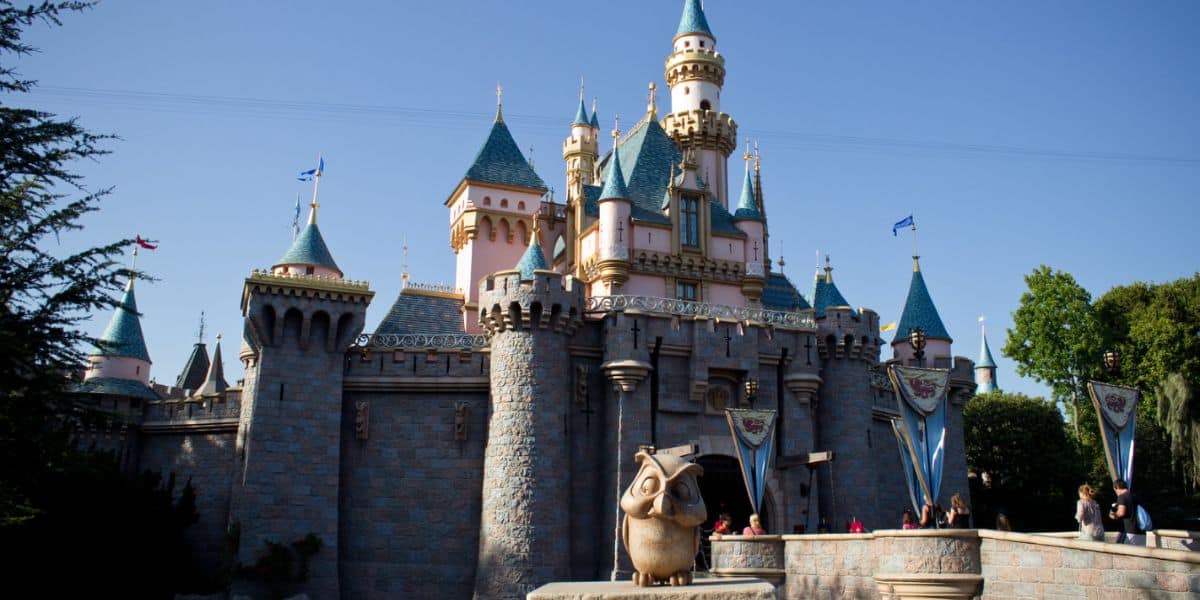
At the center of it all was DisneySea.
Rather than focusing on classic Disney stories, the park would have celebrated the world’s oceans through mythology, history, and adventure. Early plans included an Atlantis-inspired land called Mysterious Island, Heroes’ Harbor inspired by The Odyssey, historic sailing ships, interactive marine experiences, and attractions unlike anything Disney had previously attempted.
The project had enormous potential, but it also came with enormous challenges.
Disney needed significant public investment in roads and infrastructure while also seeking approval to develop portions of California’s protected coastline.
That combination proved difficult to overcome.
Environmental groups argued the project would permanently alter valuable coastal areas, while lawmakers questioned changing long-standing protections to accommodate a theme park.
One environmental advocate famously asked whether California should weaken those protections “over a theme park?”
Meanwhile, state Sen. Henry Mello bluntly criticized the proposal, saying filling ocean waters was “the biggest sin man can commit on this planet.”
Resistance wasn’t limited to environmental organizations.
The Port of Long Beach also expressed concerns that Port Disney could interfere with shipping operations, creating another major obstacle during negotiations.
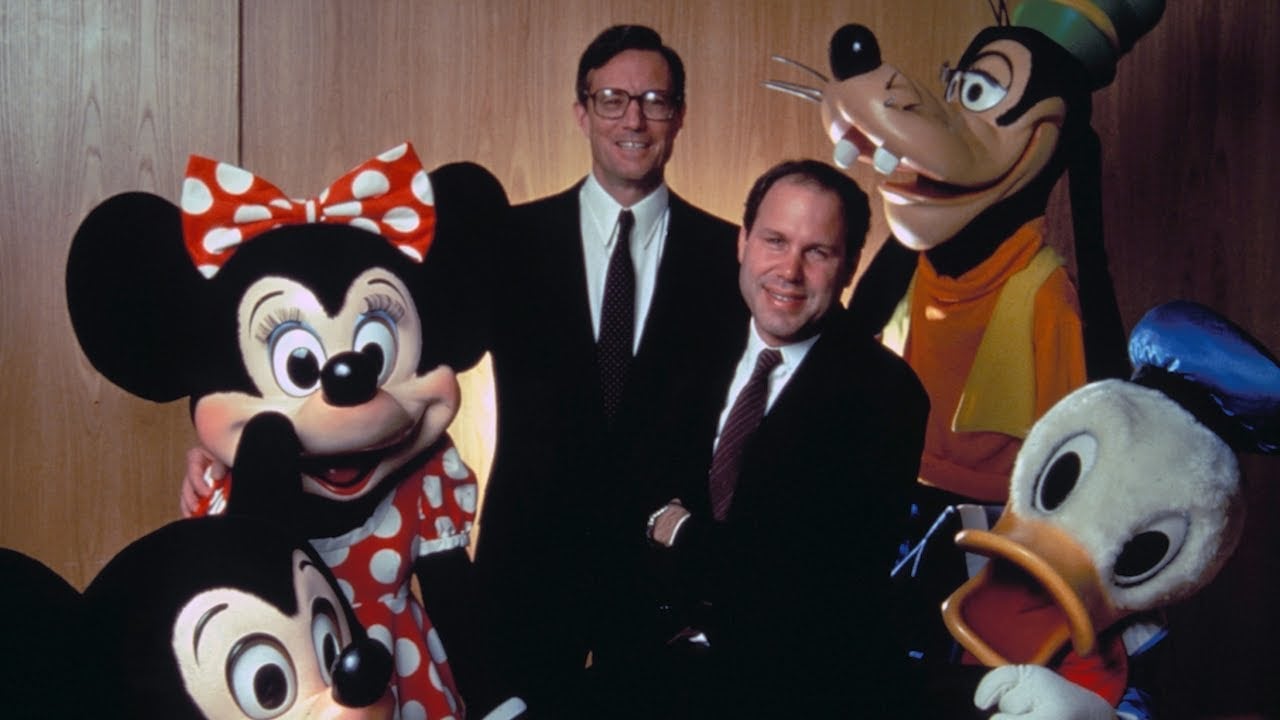
Even Michael Eisner couldn’t hide his disappointment after the proposal unraveled.
Speaking months later, he said the reaction made it seem as though Disney had proposed “a toxic dump in the middle of Big Sur,” arguing that California had become increasingly difficult for businesses looking to invest.
Ultimately, Disney walked away.
Instead, the company announced WestCOT for Anaheim, envisioning an ambitious park inspired by EPCOT. But that project also disappeared after Euro Disney’s financial struggles forced Disney to cut spending. The scaled-back replacement eventually became Disney California Adventure.
Ironically, DisneySea itself survived.
Rather than disappearing forever, many of its concepts crossed the Pacific to Japan. Tokyo DisneySea opened in 2001 and has become one of the most acclaimed theme parks in the world, regularly topping fan rankings thanks to its immersive lands, detailed storytelling, and groundbreaking attractions.
The resurfaced report serves as a reminder that one of Disney’s most celebrated parks was originally meant for California. Instead, a combination of politics, environmental battles, and financial realities changed Disney history—and left Southern California with one of the company’s biggest “what if” stories.