Under the towering stone figures of the Seven Dwarfs that support The Walt Disney Company’s Burbank headquarters, performers from the Broadway production of Aladdin recently took to a makeshift stage. As they hit the climactic notes of “A Whole New World,” the audience response looked entirely different from a traditional red-carpet press event.

Rather than seated film critics with notebooks, the front row was packed with handheld gimbals, ring lights, and an endless glow of vertical smartphone screens.
The spectators were nearly 70 high-profile Latino content creators gathered for the Somos Magic Summit, an intensive three-day summit hosted across Disney’s studio lot and the Disneyland Resort. Between stays at Disney’s Grand Californian Hotel & Spa, private after-hours park experiences, and exclusive briefings on upcoming tentpoles like Disney California Adventure’s Coco ride and the animated feature Hexed, these internet personalities weren’t just being entertained—they were being recruited.
Faced with a fragmenting entertainment market and fierce competition for consumer attention, the Burbank entertainment powerhouse is making its biggest marketing pivot in decades: turning away from traditional top-down advertising and handing the keys of the kingdom directly to social media influencers.
The Scale of the Push: 6,000 Partnerships and Counting
While Disney has long invited influencers to media previews and attraction openings, the company has fundamentally transformed the scope of those relationships over the past year.

According to figures disclosed by the Los Angeles Times, Disney has partnered with more than 6,000 digital creators this year alone—representing a sharp 30% spike in creator collaborations over 2025.
The strategy is already yielding immense returns. Content published by these independent creators has generated nearly 12 billion social media impressions across platforms like TikTok, Instagram, and YouTube.
At the Somos Magic Summit alone, the assembled creators commanded a combined reach of more than 185 million followers.

“Let’s be honest,” Nicole Leo, Disney’s Vice President of Creator Content and Partnerships, told the Los Angeles Times. “Creators are our best digital billboards these days.”
Trading Corporate Gloss for Everyday Authenticity
For decades, Disney maintained complete control over its public messaging through glossy thirty-second television spots, carefully curated print campaigns, and tightly managed press junkets. Yet in an era dominated by algorithmic feeds and short-form video, consumers—particularly Gen Z and younger millennials—are tuning out polished corporate messaging.

Instead, they trust peers who speak directly to their camera lenses.
Asad Ayaz, Disney’s Chief Marketing and Brand Officer, sees creators as a vital conduit to maintaining cultural relevance in a saturated media environment.
“We know that our fans want more,” Ayaz told the Los Angeles Times. “And what creators offer us is an authentic fan point of view in our creative process. Based on where people are spending time and the types of entertainment they’re engaging with, it creates numerous opportunities for us to have an always-on relationship with our fans.”

Crucially, Disney’s newer creator initiatives are built around reciprocity rather than rigid commercial contracts. According to Anastasia Ali, Disney’s Vice President of Inclusive Marketing and Audience Growth, attendees at the Somos Magic Summit were not paid appearance fees, nor were mandatory posting quotas imposed on them.
Disney covered luxury lodging and park admissions, while offering unprecedented access to corporate headquarters, animation creatives, and executive panels. In return, creators naturally produced dozens of organic posts: “Get Ready With Me” videos filmed in luxury hotel rooms, vlog tours through Disneyland, and comedic sketches along Main Street, U.S.A.
“They’re storytellers of their respective communities,” Ali explained. “Our hope is that their audiences… see Disney as a place where they can bring their families and friends.”
Mega-Deals with Internet Heavyweights
Disney’s creator strategy stretches far beyond lifestyle and travel vloggers. The studio is forging massive commercial deals with some of the biggest names on the internet to safeguard its marquee franchises:
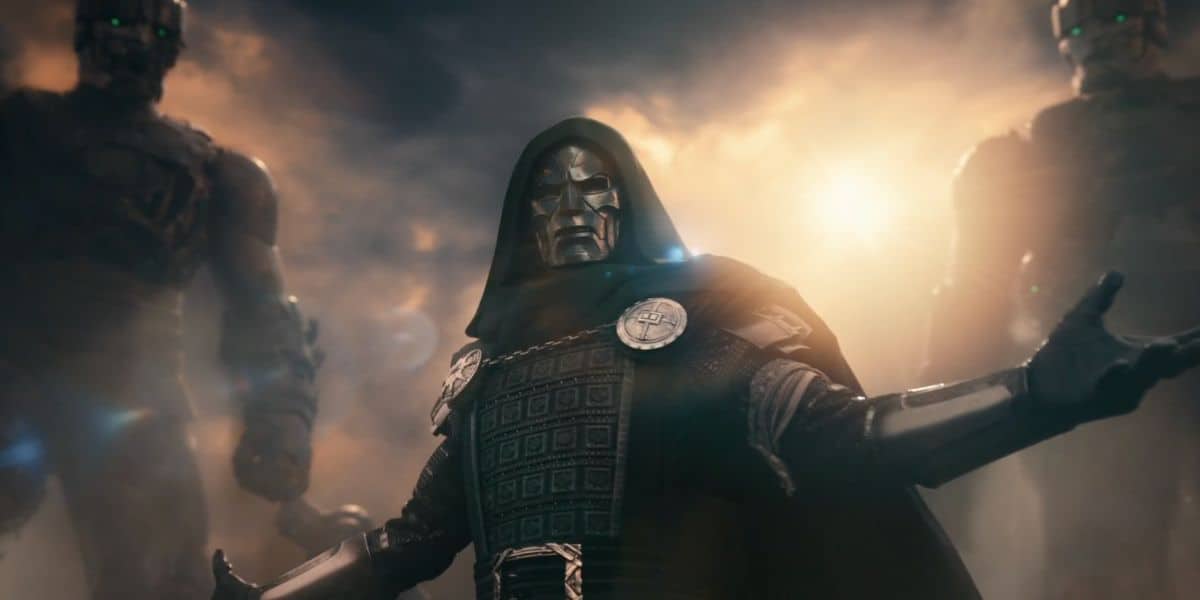
- The Dude Perfect Alliance: Disney recently finalized a major partnership with the trick-shot and comedy collective Dude Perfect. With an audience of over 60 million YouTube subscribers, the group is slated to develop specialized content centered on the 50th anniversary of Star Wars and Marvel Studios’ upcoming blockbuster Avengers: Doomsday.
- Bridging TikTok and Disney+: In August, Disney inked a wide-ranging agreement with TikTok, granting creators access to Disney’s music and film catalog for short-form clips. That content feeds into social algorithms and populates “Verts,” the vertical-video discovery feed housed directly in the Disney+ app.
- Mainstream Event Takeovers: At this summer’s D23 fan convention, Disney rolled out the red carpet with an exclusive influencer lounge, where executives openly pondered whether top creators might one day be inducted as Disney Legends. Looking ahead, Disney plans to integrate creators into high-profile ABC broadcasts, including the Grammy Awards and the Super Bowl.
Why Fans Trust Creators Over Studio Press Releases
For a legacy studio historically renowned for aggressively guarding its brand image, delegating storytelling to thousands of independent creators is a calculated gamble. But in the modern hospitality and theme park ecosystem, authenticity is the only currency that converts into ticket sales.

Every day, visitors planning expensive, complex vacations to Disneyland or Walt Disney World rarely look to corporate press releases to plan their itineraries. Instead, they rely on creators to show them the real park experience—highlighting which seasonal snacks are worth the price, how to handle ride downtimes, and where the longest lines are forming.
As Disney fan Randy Policar told the Los Angeles Times, “Disney can tell me till they’re blue in the face to try this new treat. But of course they’re not going to say, ‘This new treat kind of stinks.’ That’s where the content [creators] come in and are honest.”
By facilitating unprecedented access without demanding scripted praise, Disney is cultivating an army of enthusiastic, authentic brand ambassadors. In a rapidly shrinking Hollywood landscape crowded by mega-mergers, the entertainment giant is betting that its future doesn’t rely on traditional billboards—it belongs to the creators who hold its audience in the palm of their hands.