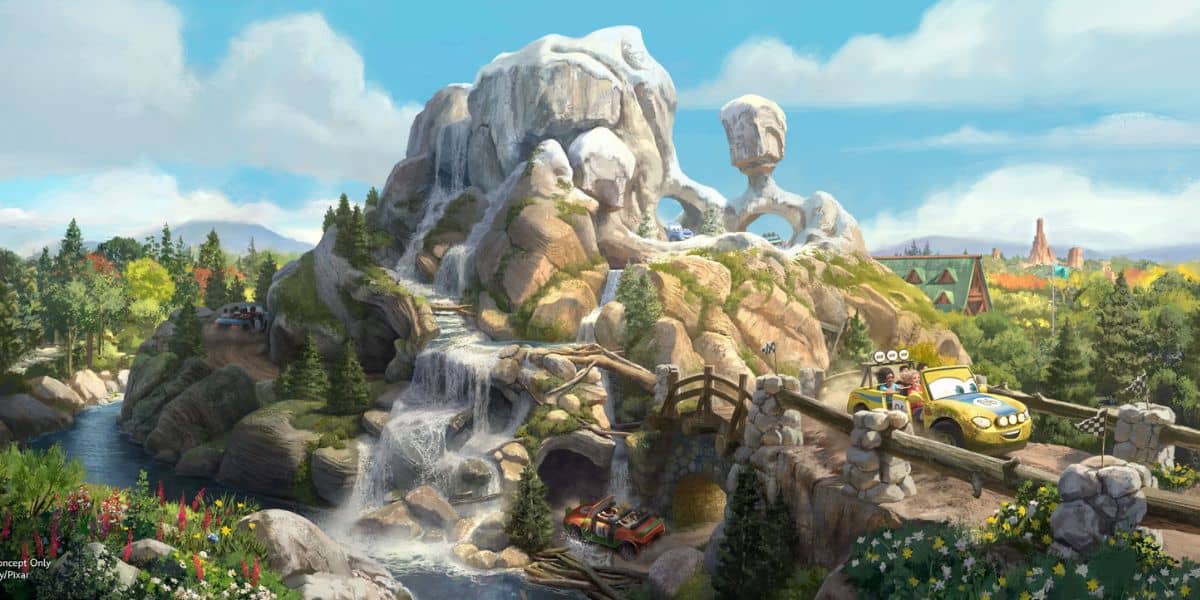
Walt Disney Imagineering has officially pulled back the curtain on the massive slate of expansions heading to Walt Disney World, dropping a brand-new episode of their documentary series, We Call It Imagineering. Focusing entirely on the concept of “parkitecture,” the latest video offers fans a rare, behind-the-scenes look at the rigorous physical testing, technological tools, and design processes currently shaping Piston Peak, Villains Land, Monstropolis, and the Tropical Americas. Instead of just dropping new buildings onto a construction site, Disney’s architectural teams are tasked with ensuring that every single piece of wood, plaster, and steel feels as if it naturally belongs in its environment.
The Balloon Test: Sculpting Piston Peak and Villains Land
The most revealing segment of the video centers on Magic Kingdom, where Imagineers are actively tackling the complex spatial logistics of Piston Peak National Park—the upcoming Cars-themed land replacing Rivers of America and Tom Sawyer Island—and the highly anticipated Villains Land. To ensure the new structures do not ruin the carefully curated sightlines of the park, the team relies on a time-honored Disney tradition: the balloon test.
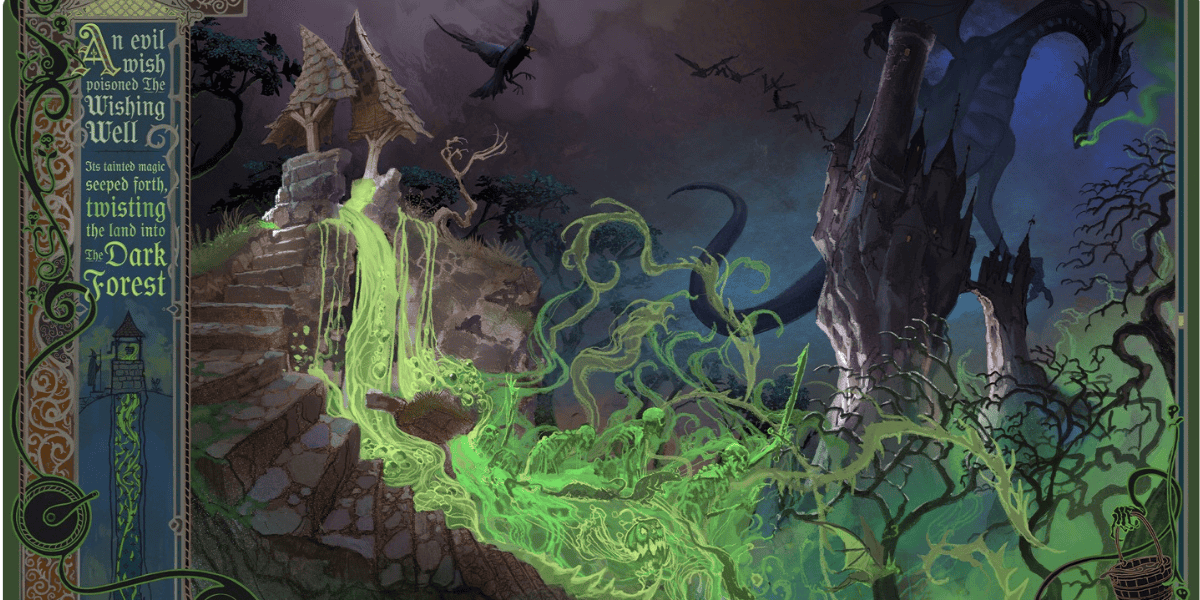
Imagineers floated large balloons to the exact proposed peak elevations of the new structures. The team then fanned out across Magic Kingdom to see if the balloons were visible from other immersive environments. The primary goal is strict visual isolation; a guest strolling through Liberty Square or down Main Street, U.S.A. should never be able to spot the rocky peaks of a Cars attraction or the looming spires of Villains Land.
The video candidly revealed that the initial balloon test for Piston Peak, conducted over a year ago, was actually a failure. Imagineers realized that several planned elevations were simply too high and threatened to bleed into neighboring lands. Rather than accepting the visual intrusion, the team went back to the drawing board, altered the digital models, and significantly shortened the structures. A recent follow-up balloon test confirmed that the adjusted heights perfectly maintain the park’s immersive boundaries.
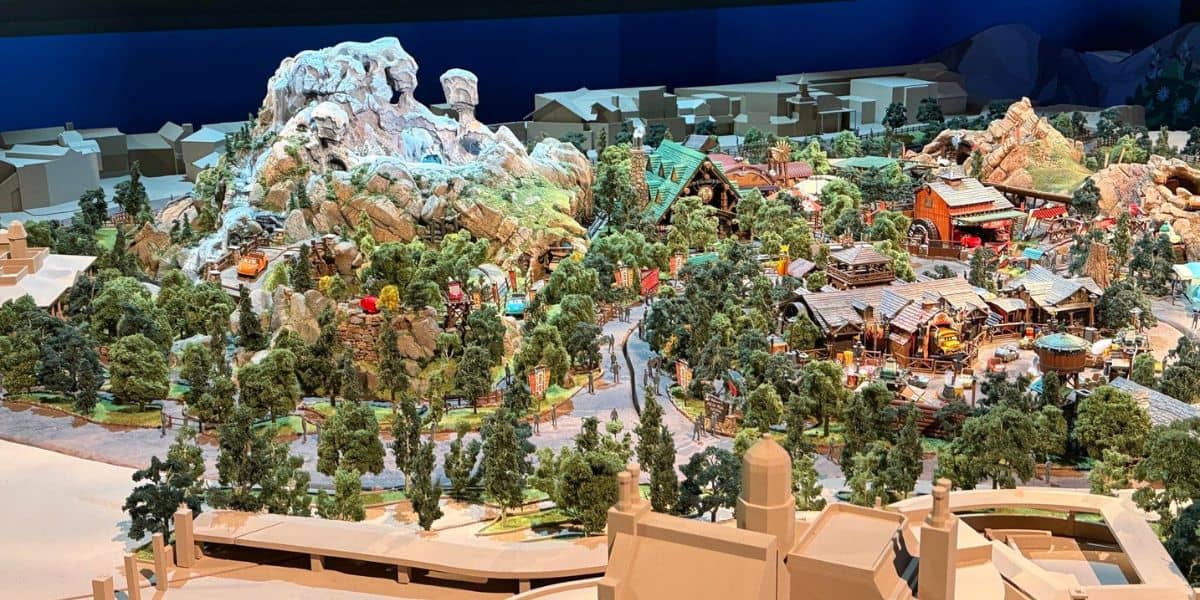
The scale of Villains Land is also being carefully calibrated. Because the dark, foreboding architecture of the villains’ realm will border other heavily themed areas, its peaks must visually relate to the scales of Piston Peak, Big Thunder Mountain Railroad, and the Haunted Mansion. By testing these sightlines in the physical world, Imagineers ensure the transition between the rugged, natural aesthetic of Piston Peak and the dark fantasy of Villains Land feels entirely seamless. The Piston Peak area will also introduce an original character, Ranger J. Autobahn Woodlore, a clever vehicular homage to the classic Disney animation character Ranger J. Audubon Woodlore, alongside two major attractions: the off-road Cars Ridge Run Rally and the family-friendly Miss Fritter’s Daredevil Spin Along.
Building Monstropolis: A City Designed by Monsters
Over at Disney’s Hollywood Studios, the upcoming Monsters, Inc. expansion—officially dubbed Monstropolis—demands a completely different architectural approach. While Magic Kingdom’s expansions rely on natural rockwork and gothic spires, Monstropolis requires Imagineers to build a fully functioning, monster-sized city from the ground up.
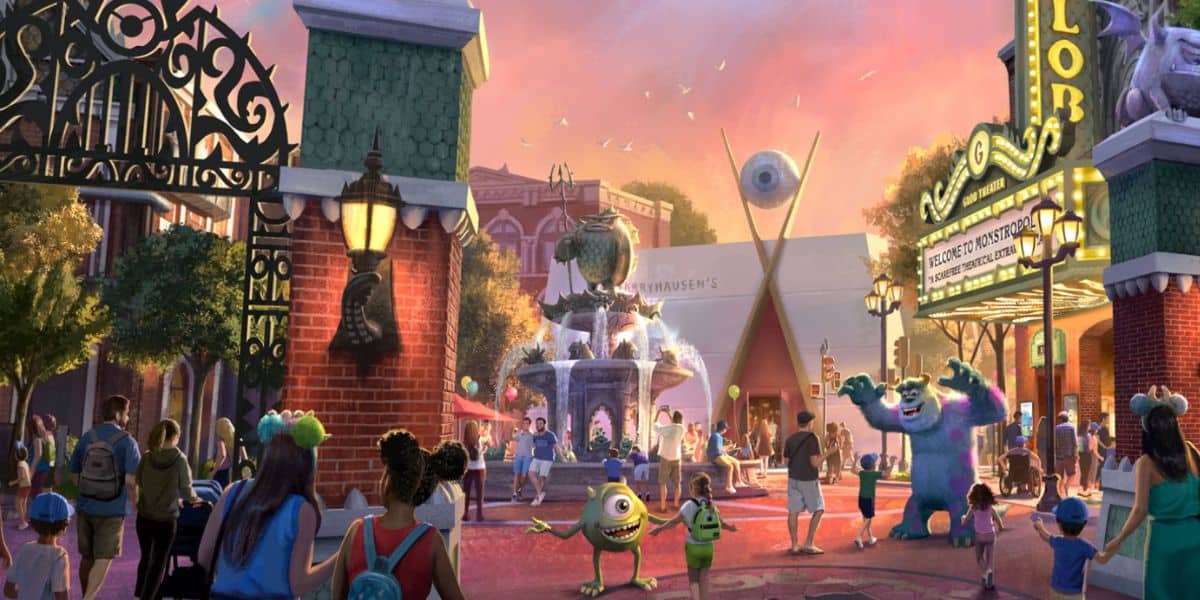
Rather than just recreating background buildings from the Pixar films, the creative team is analyzing how a city designed by and for monsters would actually function in the real world. This requires a hyper-specific, whimsical approach to standard architecture. Because monsters come in drastically different shapes and sizes, the land’s architecture will reflect this diversity. Guests will spot some massive, wide doors right next to entryways that are exceptionally small or narrow.
Standard architectural elements are also getting a monster-centric overhaul. Support columns and window frames will feature integrated horns, teeth, and eyes, ensuring every inch of the land feels distinctly non-human. Before mass construction begins, Imagineers are using large-scale plaster mockups to test the city’s physical textures, ensuring the cartoonish aesthetic translates perfectly into tactile, real-world materials that can withstand millions of visitors.
Tropical Americas: Weathering the Jungle in Real Time
The upcoming Tropical Americas land at Disney’s Animal Kingdom, which will feature a massive Encanto attraction and a thrilling Indiana Jones adventure, is heavily reliant on rustic, natural textures. To get the exact look and feel of a weathered South American village, Imagineers built a dedicated “sample yard” nearly two years before official construction even began.

In this outdoor sample yard, the team leaves various materials exposed to the harsh Central Florida sun and relentless rain to see exactly how they age, fade, and warp over time. The hardscape testing for the Tropical Americas began with 24 different material samples. By carefully studying how the textures and colors held up to the elements month after month, the team meticulously narrowed the options down to a final six. This long-term, practical testing guarantees that the new land will instantly look authentically aged and lived-in the very moment it opens to the public.
Next-Generation Tools and Disney’s Lakeshore Lodge
While balloon tests and physical sample yards prove that traditional techniques remain vital to the creative process, Imagineering is also using next-generation technology to bring these new lands to life. The episode showcased how builders on the ground are now using augmented reality (AR) headsets. These headsets project a highly detailed, 3D digital model of a finished space directly onto an active construction site. This allows the construction crews to see exactly what color, texture, or thematic element goes in a specific spot without having to decipher complex 2D blueprints.
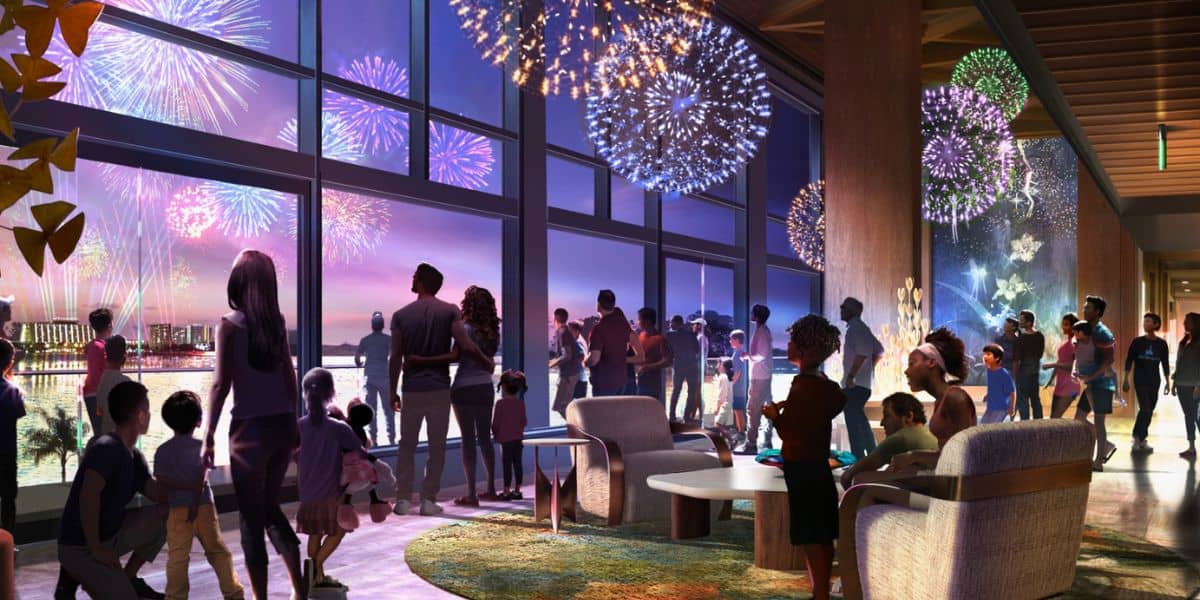
The “parkitecture” episode also offered a brief look at the design process for Disney’s Lakeshore Lodge, the brand-new Disney Vacation Club property slated to open on the shores of Bay Lake on July 1, 2027. Just like the massive theme park expansions, the architecture of the new resort is being heavily dictated by its natural surroundings, ensuring the lodge feels like an organic extension of the serene Bay Lake environment.
From the rugged terrain of Piston Peak to the monster-sized doorways of Monstropolis, this latest look behind the curtain proves that Disney’s massive expansion era is moving forward with incredible precision. By blending century-old construction testing with augmented reality, Imagineering is ensuring that the next generation of Walt Disney World lands will be the most immersive environments ever built.