
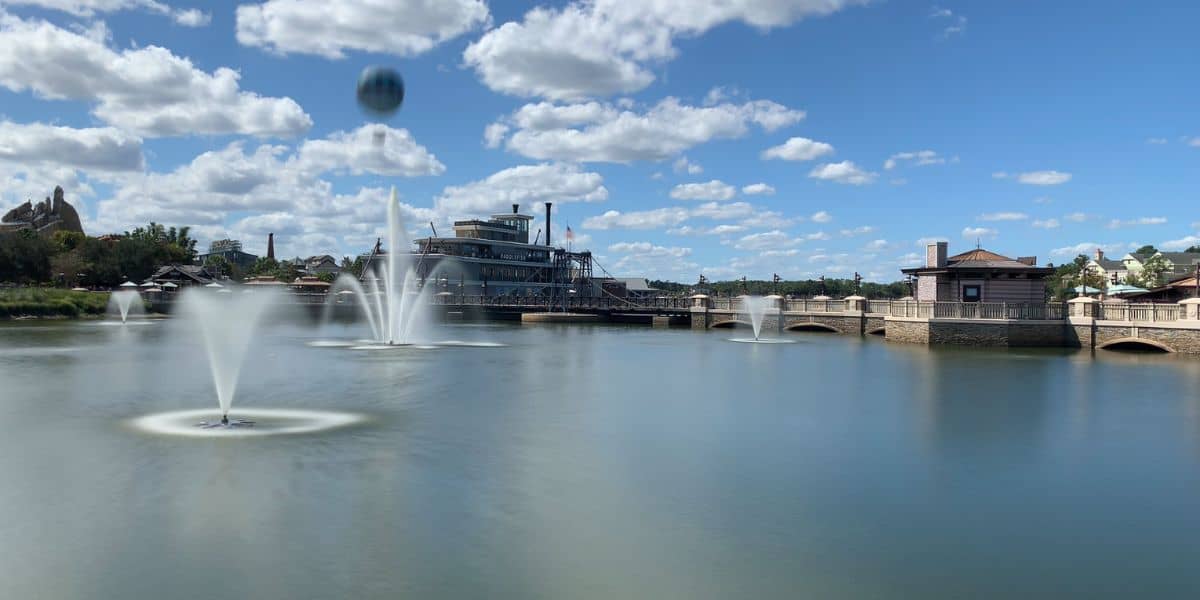
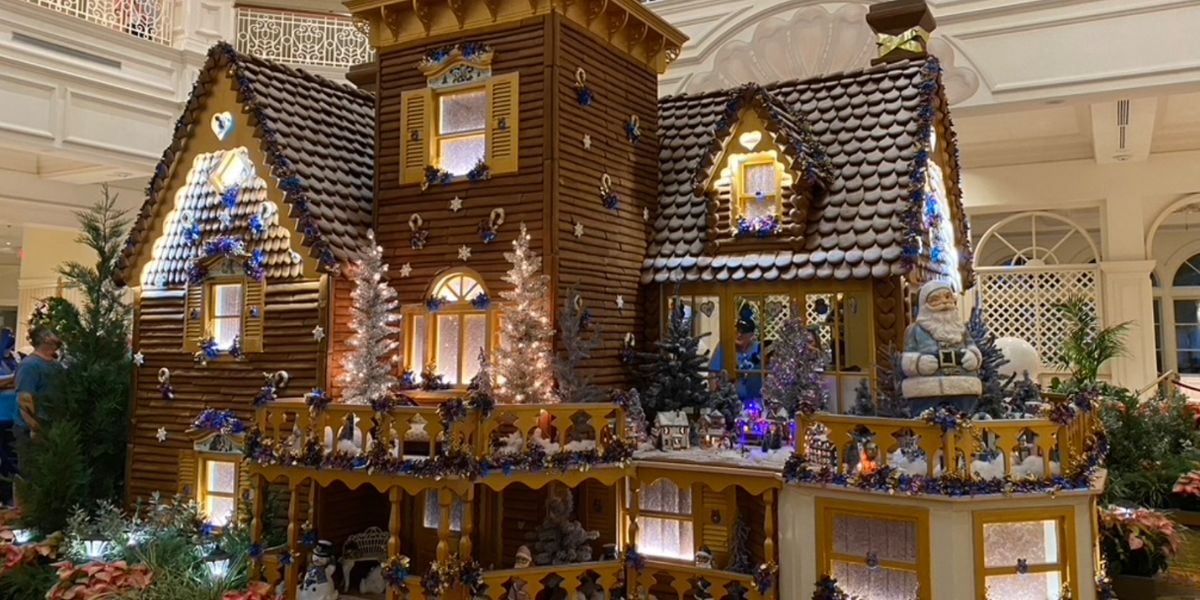
The final week of June 2026 has brought an unprecedented wave of logistical shockwaves to the Walt Disney World community. Fresh off the heartbreaking announcement that the Grand Floridian’s legendary life-sized gingerbread house has been permanently retired, Disney dropped a second corporate hammer on budget-conscious travelers: starting this Sunday, June 28, 2026, the resort is implementing strict, reservation-only transit checkpoints at Disney Springs. The policy effectively kills the property’s most famous travel hack: the “free parking loophole.”
For years, offsite day-trippers and frugal locals would park for free in the Disney Springs garages, hop onto a complimentary resort bus, and seamlessly transfer to the theme parks or enjoy a day of hotel exploration without shelling out Disney’s $35 daily parking fee.
As the realization set in that this beloved money-saving strategy was facing an immediate eviction, the internet immediately went hunting for a scapegoat. A wave of furious social media backlash on platforms like X has pointed a collective finger at a recent, high-profile People magazine feature titled “Broke Disney Local Reveals How to Experience All the Magic for Free.” Angered purists claim this national exposure was the definitive straw that broke the camel’s back.
However, while a viral magazine profile makes for a highly satisfying public enemy, the real story behind the crackdown is far bigger than a single article. can convey
The Fall Guy: Why Fans are Blaming People Magazine
The anger boiling over on social media stems from a classic coincidence in timing. In the widely read People article, a Central Florida resident proudly detailed exactly how to exploit Disney’s complimentary transit grid to enjoy deluxe resort atmospheres, live entertainment, and seasonal displays without buying a theme park ticket.
To the average reader, it was an innocent lifestyle piece about maximizing local perks. To the protective Disney fandom, it was an operational betrayal.
Angry commentators rushed to X to blast the feature, arguing that broadcasting a specialized, off-radar travel exploit to a mainstream audience of millions practically forces a corporate compliance team to step in and fix the leak. One viral post lamented that the individual profiled had “ruined it for everyone” just to secure fifteen minutes of internet fame.
Another popular response echoed this frustration, noting that when cost-saving measures hit national publications, a swift corporate reaction is mathematically inevitable. Yet, framing this as the fault of one person completely ignores the reality of how modern theme park logistics operate. Disney does not completely re-engineer its multi-million-dollar transportation infrastructure over a weekend because of a single lifestyle column. The article didn’t invent the exploit; it merely put a mirror up to a problem that had already spiraled completely out of control.
Loved to Death: The Reality of Mass Systemic Abuse
The uncomfortable truth that many furious day-trippers are ignoring is that the Disney Springs parking hack had long ceased to be a secret. What was once an insider tip shared on old-school message boards had mutated into a massive, algorithmically driven phenomenon.
Over the past three years, the explosion of short-form video on TikTok and Instagram Reels turned the free parking loophole into a viral rite of passage. Thousands of casual content creators blasted headlines like “The Secret Free Pass to Disney World Parking” to millions of viewers.
This constant, digitized broadcasting led to an unsustainable level of systemic abuse. On any given weekend afternoon, the Orange and Lime parking structures at Disney Springs would reach capacity, forcing actual, high-spending retail and dining patrons to be turned away at the gates.

Meanwhile, resort-bound buses were routinely packed to the gills with day-trippers who had zero intention of spending money at the shopping district or the hotels. Overnight guests paying premium rates to stay at deluxe resorts found themselves stranded at bus stops, unable to return to their rooms because the vehicles were overwhelmed by offsite parking evaders. Disney wasn’t reacting to one local in a magazine; they were reacting to operational data showing that their transportation grid was hitting a terminal breaking point.
Starting Sunday: Inside the New Digital Security Net
For those hoping that the changes are minor, the operational reality arriving this weekend is a complete lockdown. Beginning Sunday, June 28, 2026, the honor system is officially dead at the Disney Springs bus loops and water taxi docks.

Before a guest is permitted to enter the physical queue line for a resort-bound bus or boat, a cast member equipped with a handheld scanning tablet will require them to scan their MagicBand or Key to the World card or present their My Disney Experience app profile.
“If you do not possess a digital confirmation code that matches an eligible reservation on your account, security teams will actively turn you away from the transit loading zone.”
To clear the checkpoint and board the vehicle, the digital scan must actively verify that the guest holds at least one of three valid credentials linked to their account for that specific day:

- An active reservation at a Walt Disney World Resort hotel.
- A confirmed Advance Dining Reservation (ADR) at the destination resort.
- A confirmed booking for an eligible Enchanting Extras experience (such as a spa treatment or recreational activity) hosted at that hotel.
Furthermore, Disney is closing any timing loopholes by enforcing a strict two-hour transit window. If you hold a dining reservation for a 7:00 p.m. dinner at a resort, you will not be permitted to clear the Disney Springs bus checkpoint until 5:00 p.m. at the earliest. This targeted security measure ensures that day-trippers cannot use a late-night dinner reservation as an all-day pass to roam the property unchecked.
The Silent Victims of Gated Logistics
While the new restrictions are an effective way to stop systemic parking evasion, the collateral damage to innocent, well-meaning guests is severe. The biggest victims of this policy change aren’t the budget hackers, but the casual visitors who enjoyed spontaneous resort exploration.

Popular quick-service spots and hotel lounges—such as the famous Tambu Lounge at the Polynesian or Scat Cat’s Club Cafe at Port Orleans French Quarter—do not accept traditional Advance Dining Reservations. Because these locations operate strictly on a walk-up or mobile-order basis, they do not generate the specific digital confirmation codes required to pass the new Sunday security checkpoints.
Under the new rules, a local family who simply wanted to take a casual evening boat ride from Disney Springs to grab some holiday beignets is completely blocked from doing so unless they shell out for a full sit-down restaurant reservation.
Turning the Page
Ultimately, the anger directed at the People magazine article is a classic case of shooting the messenger. It is far easier for a frustrated fandom to rally against a single, tangible scapegoat than it is to accept that their favorite free perk was loved to death by the collective masses.

Disney is a data-driven corporation focused on asset protection and crowd flow management. When a loophole becomes so bloated that it degrades the experience of high-paying onsite guests and chokes the parking capacity of a major retail district, an intervention is mathematically inevitable. The viral article didn’t close the Disney Springs bus loops—thousands of cars skipped the parking toll booths daily. As the gates drop this Sunday, the era of the completely unrestricted, spontaneous “free” Disney day officially transitions into a gated memory.



Disney has become a big money grab. In reality, many of the people end up buying more than it would cost to pay for parking when hopping between resorts. A shirt runs over $20. Figure if you have a family of four and they want to go hopping,they are likely to spend at least $60 in food cost and possibly in souvenirs. Yes there are some people who do take advantage, but for the majority the reason they park up so that they can experience the hotels and check out the restaurants, food, places, and gift shops. I think this is going to backfire on Disney. I see them losing more money than making money by implementing this process.
Gee, perhaps they really were thinking about some folk who saved up money to stay on site BECAUSE Of perks like free transportation. And maybe these folk who might have spent some extra money were already crowding out WDW lodgers. Maybe more money wasn’t their goal.
Perhaps it was delivering what they promised their restort guests.
You’re going to pay higher prices to make up for the lost revenue. Expect it, don’t complain about it.
These influencers though ruined something that locals kept quiet so there was no abuse. It was a silent thing. She moves in from another state a year ago and blows the lid off of something she herself was enjoying. The difference is that she felt that she had to share it with thousands of people putting ot out there. Not even a Floridian!
More likely that Disney put that story out, just like the bogus pool party story, to justify measures they already planned to take, towards end goals we have yet to see.
You know, like FastPass being the greatest thing until you realize it was always a plan to institute paid line cutting.
Something just occurred to me regarding the guy whining about the “local knitting club” – does he not realize Coronado Springs is a convention center? He’s presenting this supposed event as if it is an argument to keep out the dirty commoners, but in reality, they likely paid significantly more to be there than he did and he’s simply clueless about the very resort he’s laying claim to. Why are we platforming these claims without questioning them?
These are the toxic “guests” Disney has been cultivating lately, along with the chronically-entitled DVCers. Pandering to them even more directly with these changes is going to end up a disaster for the Walt Disney Company. Just watch.