

For decades, the metric for success at Walt Disney World and Disneyland was simple: how many bodies could you fit through the turnstiles? If the parks were shoulder-to-shoulder and the “no vacancy” signs were lit at the Value resorts, the Mouse was happy. But the financial results for the second quarter of 2026 have officially confirmed that those days are over.
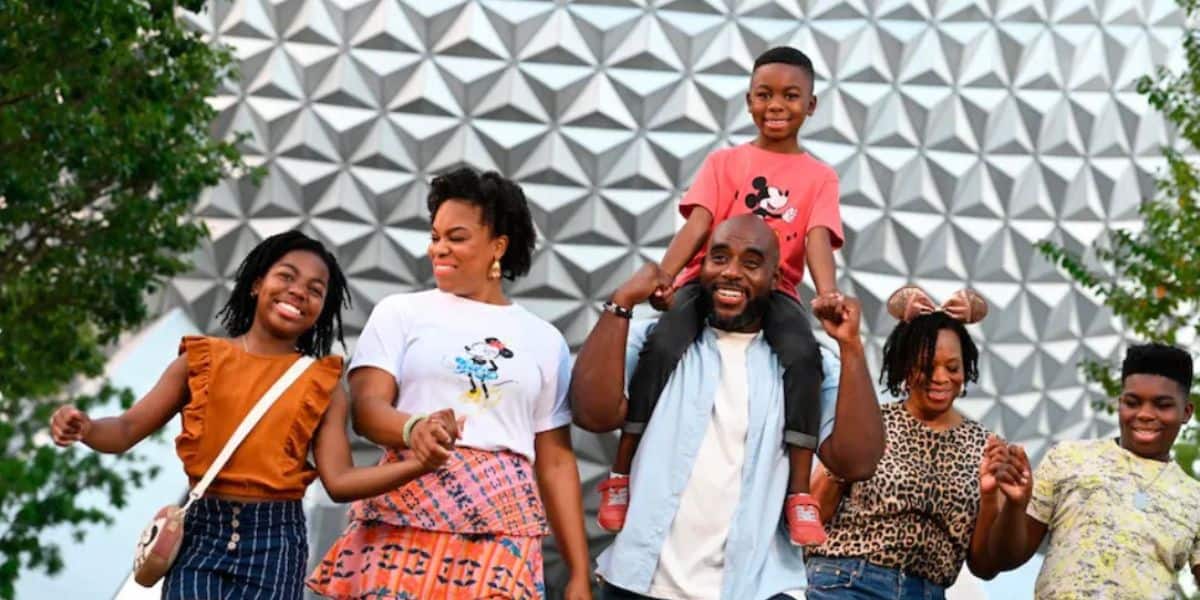
The Walt Disney Company has just reported a staggering $9.5 billion in revenue for its Experiences division in Q2 2026—a record-shattering figure. However, a deeper look into the earnings reveals a trend that would have seemed impossible ten years ago: theme park attendance is actually down.
Disney is making more money than ever before, and doing so with fewer people. If it feels like the parks are getting more expensive while the “average” family is being priced out, that’s not an accident—it’s the strategy.
The Josh D’Amaro “Yield” Revolution
Under the leadership of Josh D’Amaro, Disney Parks’ philosophy has shifted from “Volume” to “Yield.” In the past, Disney tried to appeal to every demographic with a range of discounts and seasonal offers to keep capacity at 100%. Today, the goal is to keep the parks at a comfortable 70-80% capacity while ensuring that every guest who enters is a “high-value” spender.
By raising the floor on ticket prices and hotel rates, Disney is effectively using cost as a crowd-control measure. The result? A park experience that is more profitable despite having fewer guests to serve. From a business standpoint, it’s a masterstroke: lower attendance means less wear and tear on the attractions, fewer custodial staff required, and a “premium” feel that justifies even higher prices in the future.
Pricing as a Gatekeeper: The Record Highs of 2026
In Q2 2026, the average spending per guest reached an all-time high. This isn’t just because of the price of a Mickey Premium Bar; it’s because Disney has successfully unbundled the “Magic” into a series of premium add-ons.

1. The Mandatory “Luxury Tax.”
With the retirement of free FastPass years ago, the Lightning Lane Multi Pass and Single Pass systems have become a standard part of the Disney budget. Even with lower attendance, guests are conditioned to pay $25 to $40 per person per day just to avoid spending their vacation in line. This “digital tax” turns every guest into a recurring revenue stream throughout the day.
2. The Deluxe Resort Focus
While Value and Moderate resorts have seen fluctuating occupancy as middle-class families pull back, the Deluxe tier—resorts like The Grand Floridian, the Polynesian, and the Riviera—are seeing record-high revenue. Disney has realized that a single guest staying in a $900-a-night suite is worth more to the bottom line than an entire family staying off-property.
Consequently, the best perks (such as Extended Evening Hours) are now reserved almost exclusively for “whale” spenders.

3. The $200+ Experience Trend
The 2026 revenue spike is also driven by high-margin “experiences” like custom droid building, high-end “Instagrammable” character dining, and exclusive dessert parties. Disney is no longer just selling a park ticket; it is selling a menu of high-priced upgrades that appeal to a demographic for whom money is no object.
The Streaming Safety Net: +88% Income Surge
One of the most significant revelations in the Q2 2026 report is that streaming income has exploded by 88%. For the first time, Disney’s direct-to-consumer (DTC) division is not just “breaking even”—it is a massive profit engine.
This is a critical piece of the puzzle. When the streaming division was losing billions of dollars during its growth phase, the parks had to be the “ATM” for the entire company. This meant Disney had to be careful not to alienate too many people at once.
Now that Disney+ and Hulu are generating massive cash flow, the pressure to “pack the parks” is gone. The company can afford to be exclusive. They can raise prices to a level that keeps the crowds manageable because they no longer need the sheer volume of bodies to balance the books.
The “Country Club” Model of Theme Parks
We are witnessing the transformation of Disney World from a “rite of passage” for the American middle class into a “private country club” for the global elite.
By prioritizing fewer, wealthier guests, Disney creates a feedback loop. Wealthy guests are more likely to buy the VIP tours (which can cost upwards of $10,000 a day), eat at Signature dining locations, and purchase high-end collectibles.
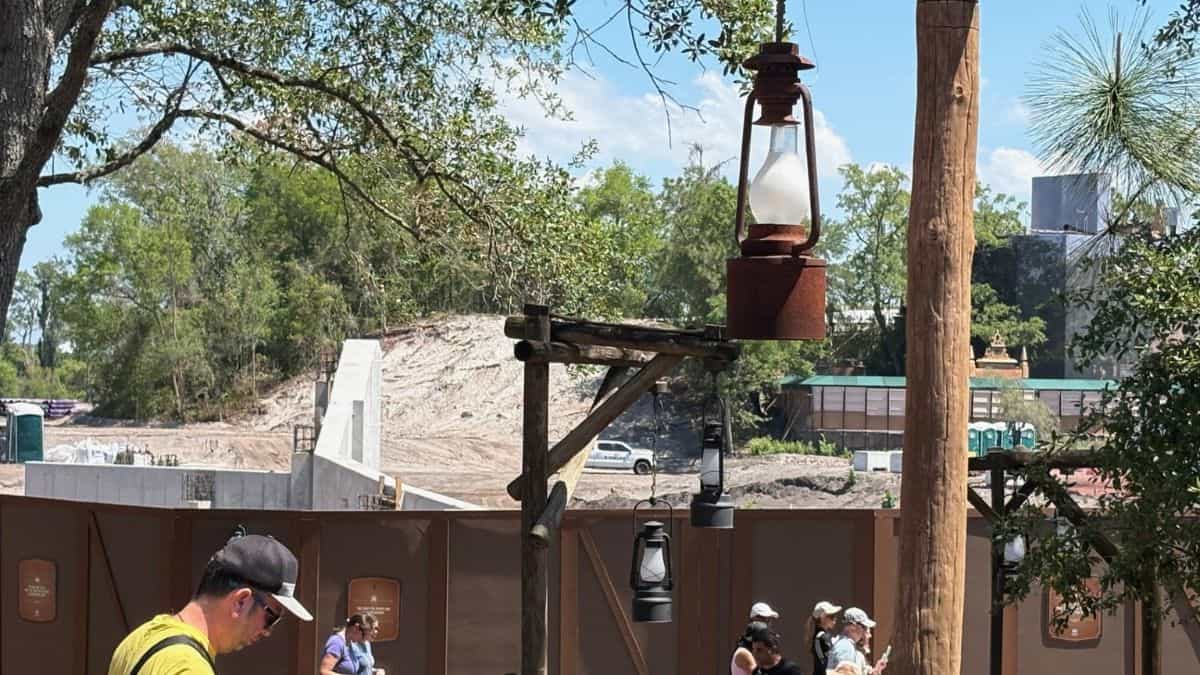
This, in turn, allows Disney to invest in high-tech, high-cost expansions like the “Beyond Big Thunder” project or the “Tropical Americas” reimagining of DinoLand U.S.A., which are designed to justify the next round of price hikes.
The lower attendance reported in Q2 is a feature, not a bug. It provides a more “exclusive” atmosphere for those who can afford it, while the record $9 billion revenue proves that the financial ceiling for the Disney brand is nowhere in sight.
What This Means for the 2026/2027 Traveler
If you are planning a trip to Orlando or Anaheim in the coming year, you must accept that the “budget” Disney vacation is an endangered species.

- The “Value” Gap: The gap between staying on-property and off-property is widening. Disney is focusing its energy on guests who will stay within the “Disney Bubble” and pay for the privilege.
- The Planning Tax: To get the most out of a “low attendance” park, you still have to pay for Lightning Lanes. The lower crowds haven’t necessarily made the lines shorter for the “unpaid” standby guests; they have simply made the park more navigable for those who pay to skip.
- The New Normal: Expect more “limited capacity” events and high-ticket exclusive parties. These are the highest-margin products Disney offers, and the Q2 results will only encourage them to create more.
Conclusion: The Price of the Magic
The record-breaking $9 billion Q2 2026 earnings report is a victory for Wall Street, but a cautionary tale for the “average” fan. Disney has proven that it can lose guests and still gain billions.
As long as the wealthy continue to spend at record levels on nostalgia and luxury, prices will keep rising. The “Magic” is still there, but in 2026, it is clearer than ever: that magic is being reserved for those who can afford the record-breaking bill.



While your article is right on about 98% of what you wrote, you are wrong on the target. Its not simply just the rich and pricing out the middle class. Have you seen the majority of the people that go and spend the money? Sorry to say but when you have low class trailer park low brow ninnies (yes i said it and i won’t apologize over calling people with bad behavior in the parks that)going to the park and breaking out into fights over stupid things, those are the “higher paying” customers disney has been starting to attract. You also forgot to mention that families are willing to put themselves in debt, severe debt, just to go. So no, the focus may be on the higher paying folks, but it’s not the one’s who can truly afford it that are going as a majority. Also the CEO is looking into returning things mildly to how they were prior to Chapek, in small portions to attract folks back who ditched the brand because of the price hikes.
I have said It many times Disney is priced for drug dealers and for people who are willing to put their trip on a credit card that will cost them 15 to 20 years to pay it off. Is it worth it not to me? I can take 2 or 3 other trips with my grandkids. Some other place. But all Em have been to Disney back when it was affordable. Well, it’s never been affordable except back when I went there. When they first opened when my grandparents worked at the cotton meal, and there was only US1 do not know. I90 fives, but it’s still gonna be the drug dealers who are the ones that’s gonna start fights and get things going. I’m gonna be sneaking around with the smoking. The dope and getting by with different things. And then it’s gonna be the people who just running up a credit card. And overall, it hurts the system. I’m talking about the American system. Overall, it’s not gonna hurt Disney, because disney’s all about their pocket. Not about trying to be nice own. Your pocket. But isn’t that everybody this day in time? My granddaughter’s asking for her, she’s a groundhog baby. So that means her birthday is always February second. So she’s asking for that for her 18th birthday. Granddaddy is gonna put money into that, but only for one part. And that’s magic kingdom. There are other parks. She would have to help do some work at the rental properties, and I will pay her and she can spend it, or she can take a little money out of her savings. And if she stays like she is now being on the beta club and 4.5 great average grand did they probably give her some money for that. But just giving Money for Disney. No. I’m not doing that see world. I will in universal. I will right now. Dolly, wood, definitely. Now we’re talking about totally two different things, though, you know, but the alphabet people then took over Disney. That’s why I just don’t really have no thrill for me to go. That have had some good times there, especially when I was a child. And now rode my favorite ride. It’s a small world and then Peter PAN country bears the hall of presidents then when they put in splash mountain, but then they messed it up because they listened up a small group of people telling that it’s bad, you know, it’s racial. But then they have those same people turning it around and making stuff racial if we keep talking about race then that’s all that it will be is about race
I mean, Morgan Freeman says it the best. If you want to do something about it, quit talking about
Are they going to get rid of Pluto and Goofy as they are both dogs and considered Haram so as not to offend anyone like Splash Mountain did?
And so they have become the “new” North Pole from Santa Claus 3. We used to be Annual Pass holders, but stopped about 7 years ago. See ya…