The Disney Character Rule That’s Constantly Broken Despite Strict Training

Characters at Disneyland Resort and Walt Disney World Resort receive extensive training on interaction protocols before ever stepping into costume. Still, one specific guideline gets violated so frequently that the infractions have become a celebrated part of Disney Parks fan culture.
Former Cast Member Reveals Character Rules
Morgan DeVore (@morgandevore97 on TikTok) recently shared her experiences as a former entertainment cast member at Walt Disney World Resort. In one video, she outlined five rules governing character behavior during guest interactions.
@morgandevore97 5 things that Disney characters are NOT allowed to do from a former character. Did any of these surprise you?? I’m so curious ✨ #disneycharacters #disneycharacter #disneyperformer #disneyadult #disneyadult
Her revelations provide insight into the complex framework Disney maintains to preserve what the company calls “character integrity”—the principle that ensures children believe they’re meeting authentic versions of their favorite movie characters, rather than costumed performers.
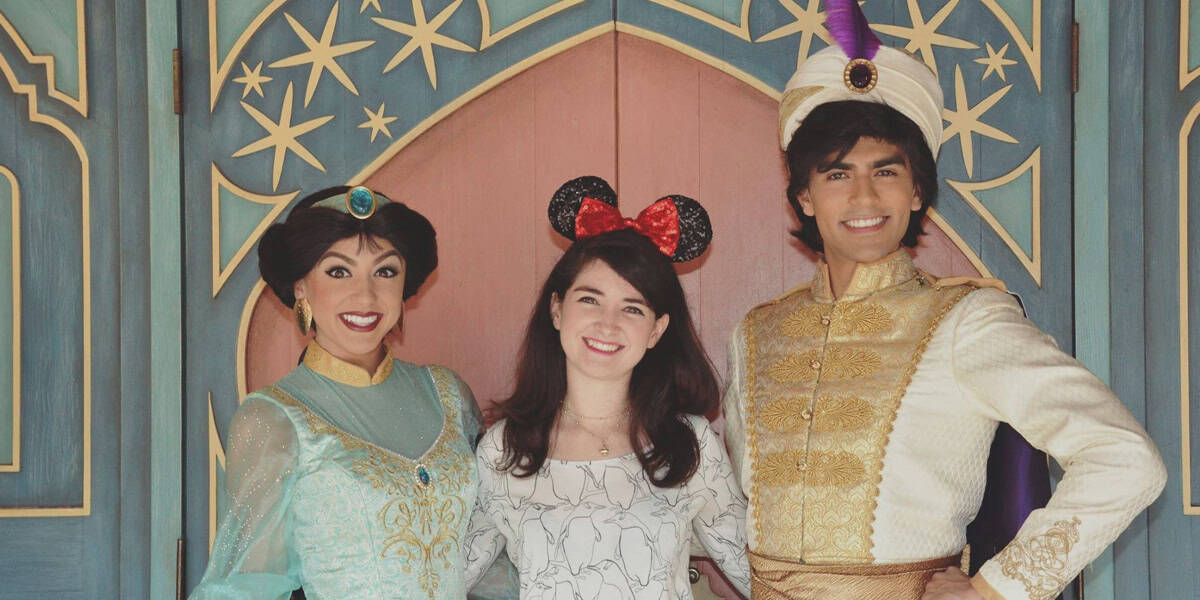
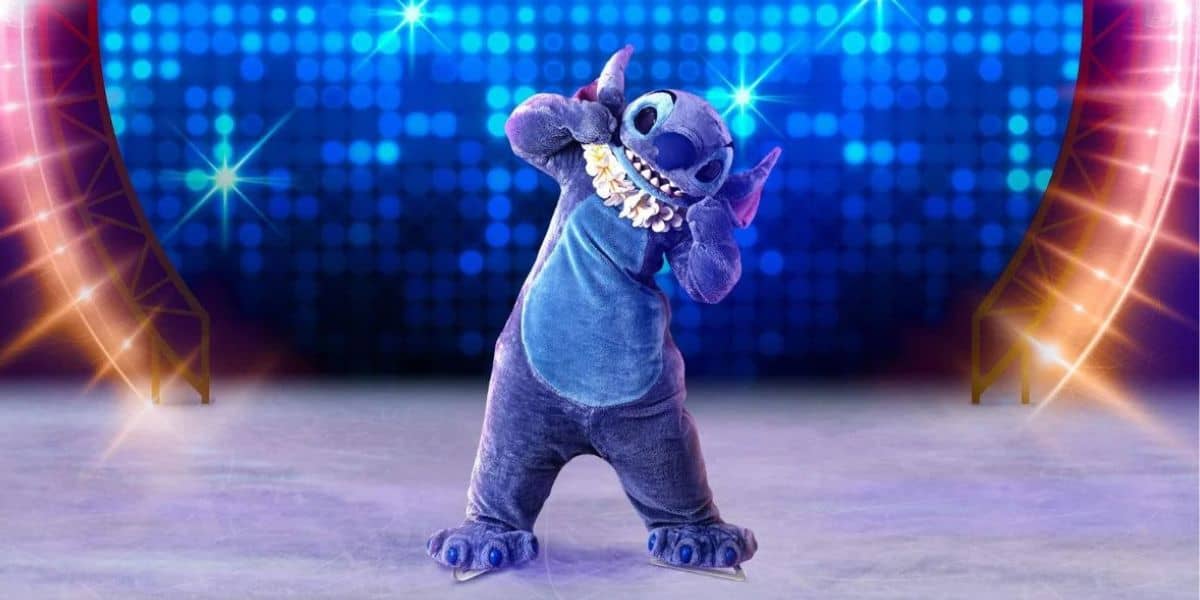
The Disney parks organize their character performers into two primary categories: “face” and “fur.” Fur characters, like Minnie Mouse and Goofy, wear full-body costumes and communicate exclusively through gestures, body language, and occasional kissing sounds (or Stitch’s signature slobbering noises). Face characters portray human roles such as Jasmine or Peter Pan, speaking with guests while maintaining dialogue consistent with their film counterparts and adhering to approved conversation guidelines.
Safety and Liability Rules
DeVore’s video detailed five specific protocols that entertainment cast members must follow, beginning with physical safety restrictions.
Character performers are not permitted to lift or carry children, regardless of parental requests or photo opportunities. Young guests can sit in a character’s lap, hug them, or lean against them while the performer sits on the ground, but standing while holding a child remains strictly forbidden.
“We cannot be standing holding your child,” the former Disney cast member explained. “Some people get really upset about this. It’s really just for their own safety. In case anything were to happen, we don’t want to be held liable.”
Cultural Sensitivity Considerations
Another surprising restriction prohibits characters from touching the tops of guests’ heads.
“That might be silly, but sometimes when little kids come around, you kind of think about touching the top of their head,” she said. “I think it’s just kind of a thing of like, you don’t know if they have lice or anything like that in their hair.”
While hygiene concerns about lice potentially contaminating expensive wigs and delicate costume pieces provide one justification, Disney Parks fans responding to DeVore’s video identified additional cultural and practical reasons supporting the policy.

“It’s taboo in many cultures to touch the top of heads,” said @aunt_fox.
“It’s a very demeaning gesture in general,” @_do.not.care_ agreed. “I’m from the Southern US and I was raised to never touch or pat someone else on the top of their head because it’s rude.”
“Top of guest’s heads reason: terminally ill (or other) people may have lost their hair and can be wearing a hairpiece,” @orlandoweddingdj added. “Could cause embarrassment or even a liability.”
Documentation and Protection Measures
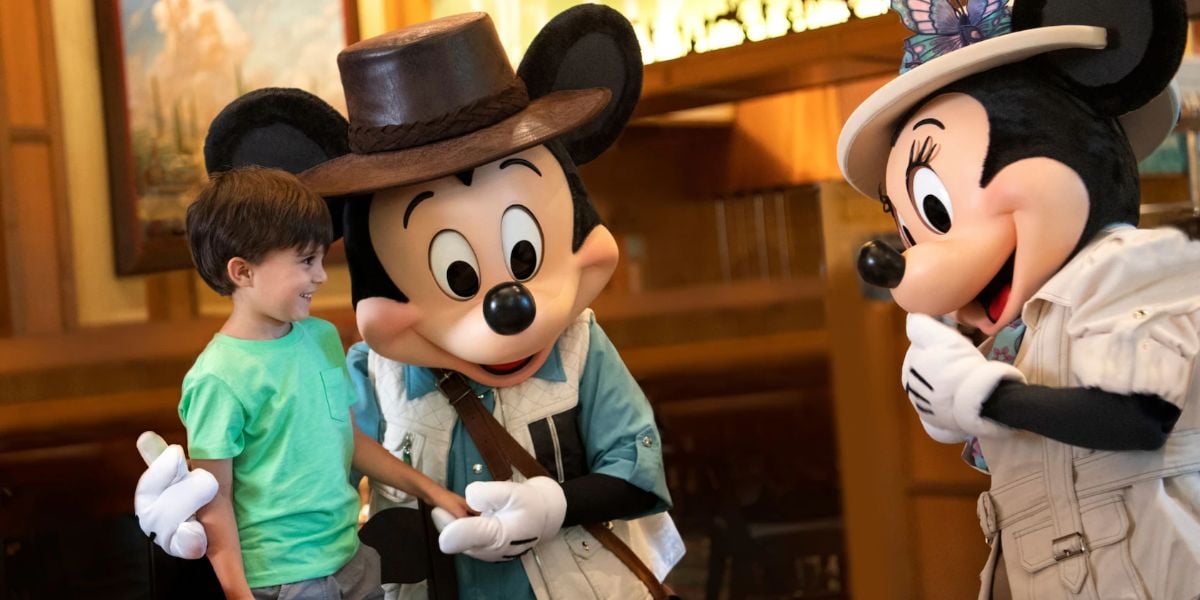
Photography guidelines require performers to maintain at least one visible hand in every posed photo, creating a paper trail that protects both characters and Disney Park guests.
“The third one is that, in pictures, we have to have our hands showing at all times,” DeVore continued. “Now, that doesn’t necessarily mean you have to see both hands…You can have one hand that’s on the top of their back, but then your other hand needs to be showing.”
Disney designs recommended poses for each character that incorporate personality traits and storylines while ensuring compliance with the visibility requirement.

“This is really to protect the character,” the former Disney employee explained. “If someone were to say that a character touched them inappropriately, or something happened, we can go back and look at that picture and tell them, either it did, or it didn’t happen.”
Characters also must avoid appearing in the actual moment of marriage proposals, though they can celebrate with newly engaged couples immediately afterward. The restriction prevents photos that might suggest the character is receiving the proposal themselves, which would compromise character integrity by implying romantic relationships.
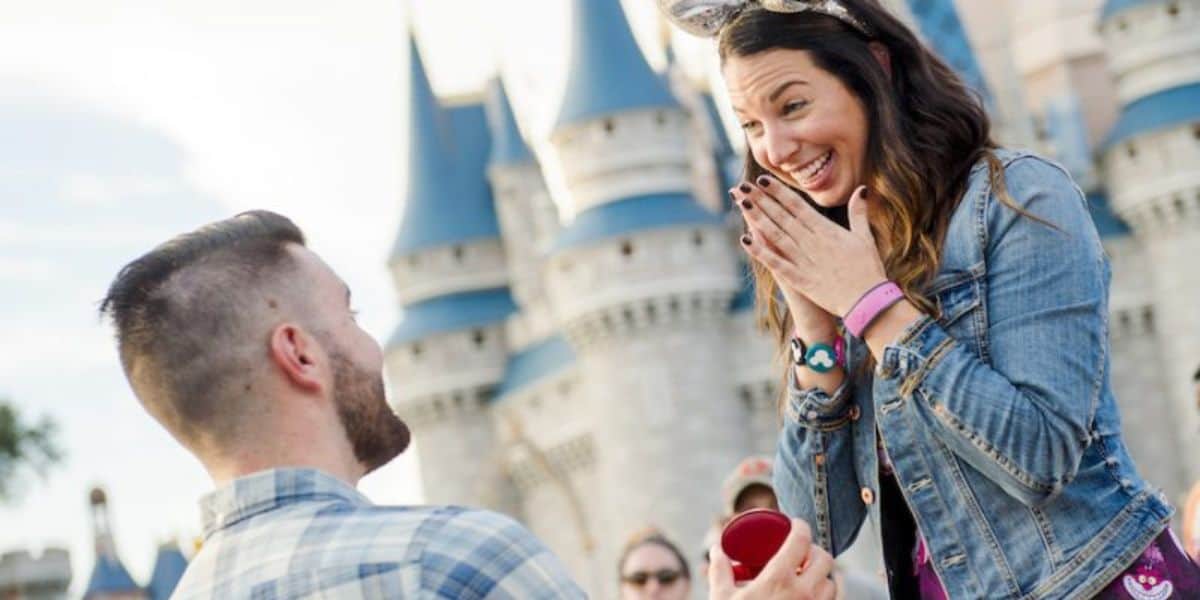
“I would advise if you really do want to incorporate a certain character into your proposal, just tell the character attendant about it,” DeVore said. “We can 100% make that happen for you, but it just cannot look like the character is getting proposed to because it’s all about character integrity and keeping that magic alive.”
The Frequently Violated Policy
The final protocol DeVore addressed presents a striking contradiction between official training materials and the widespread behavior of Disney character performers, as documented across social media.

“This might be a little contradictory to what you’ve seen before, but I distinctly remember in my training, we were not allowed to speak another language or do sign language,” the former Disney cast member said.
Despite this clear policy, videos showing character performers using sign language with deaf guests have generated millions of views and widespread praise online. The clips appear so frequently that some cast members report watching these very videos during their own “Traditions” training sessions—even though the documented interactions technically violate company policy.
Both face and fur characters appear in these viral moments, communicating through sign language to create inclusive magical experiences for guests who might otherwise struggle to interact with their favorite characters.
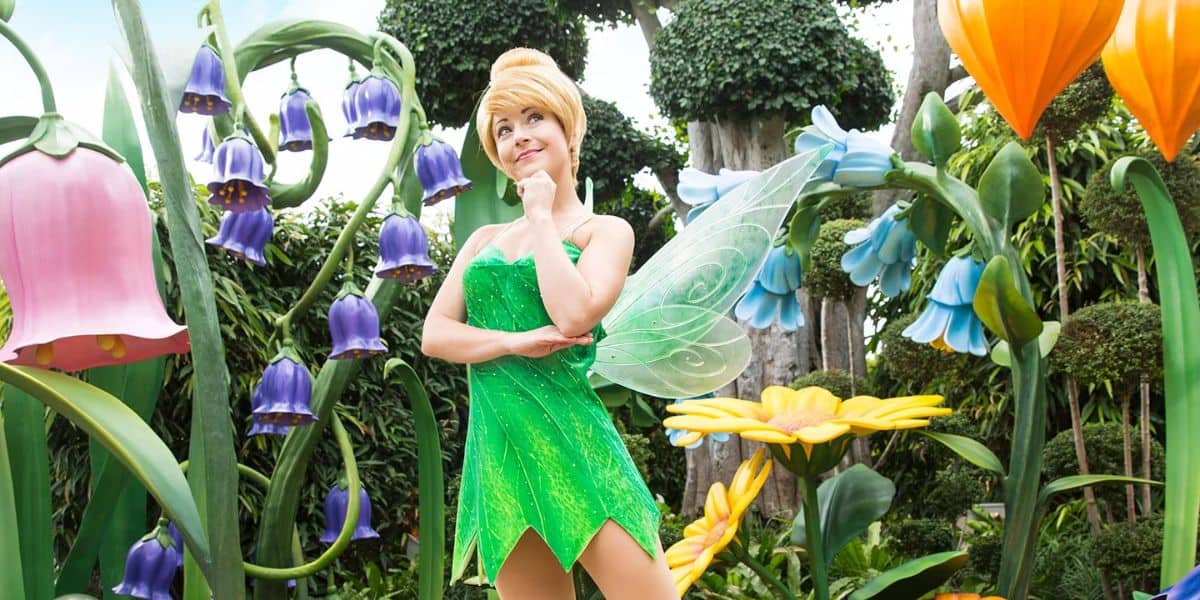
“Again, that really falls under the umbrella of character integrity…,” DeVore continued. “At the end of the day, we are there to serve the kids, but at the same time, let’s hypothetically say that later, that kid comes and meets Tinker Bell again, and it’s a different ‘friend…’ that doesn’t know sign language, or speak the other language, that ruins the integrity.”
Evolving Language Policies

Walt Disney World Resort and Disneyland Resort have implemented limited exceptions to this language restriction in recent years. Characters like Mirabel from Encanto (2021) now have permission to speak some Spanish with guests, reflecting the bilingual nature of the character’s portrayal in the film.
Have Disney characters ever spoken to your family in another language? Share your story with Disney Dining in the comments!