The Rebellion Silenced: Why Disney’s Sudden Deletion of Its “Anti-Fascist” Manifesto Is Shaking the Galaxy

In the world of high-stakes corporate social media, a single post can define a brand’s entire ethos for a generation. This week, The Walt Disney Company attempted to seize one of those moments, only to retreat in a move that has left fans, critics, and political analysts reeling.

The incident centered on a meticulously curated social media thread posted to Disney’s official corporate accounts. The thread featured a series of powerful, anti-authoritarian, and explicitly anti-fascist quotes from its most popular franchises, including Star Wars, Marvel, and Pixar. However, within six hours of going viral, the entire thread was scrubbed from the internet. The deletion didn’t just remove the words; it ignited a firestorm of questions about Disney’s true identity in an increasingly polarized 2026.
The Manifesto: What Was in the Deleted Thread?
Disney initially asked its fans for a movie quote that reflected how they felt about the world. Instead, Disney got anti-fascist and resistance quotes from its movie library. Originally hailed by fans as a brave acknowledgment of the core themes that have made Disney-owned properties multibillion-dollar successes, however, Disney quickly removed the post after it started to garner attention.
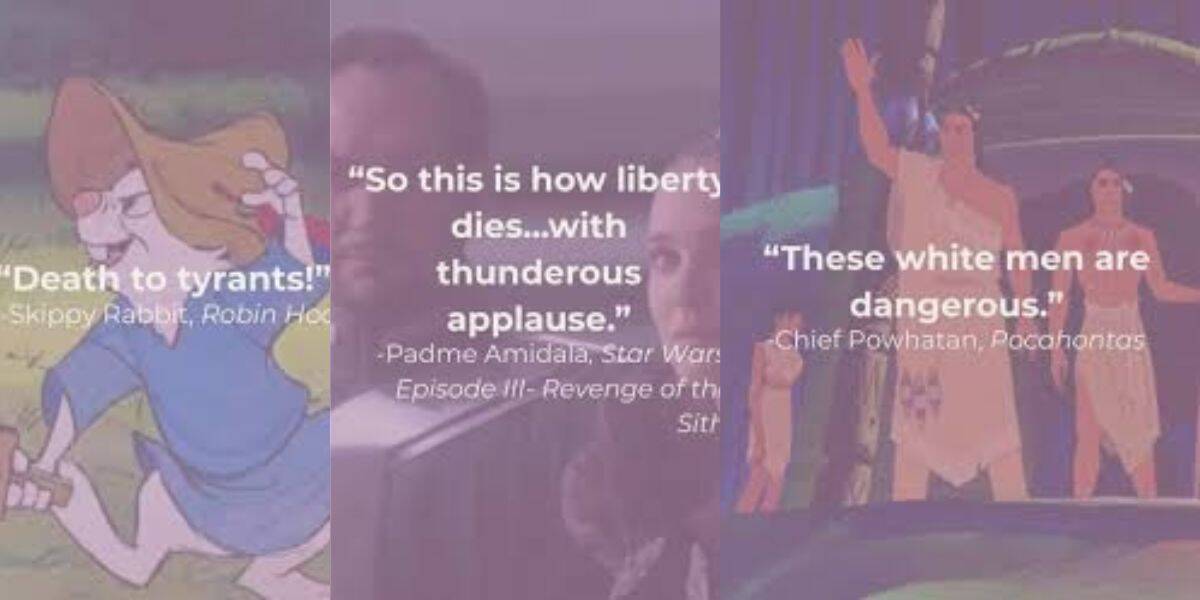
According to archives preserved by The Verge and circulating on social media under #DisneyCensorship, the thread featured some of the most politically charged dialogue in modern cinema:
- Karis Nemik’s Manifesto (Andor): “Freedom is a pure idea. It occurs spontaneously and without instruction… The Empire is a disease that thrives in darkness, it is never more alive than when we sleep.”
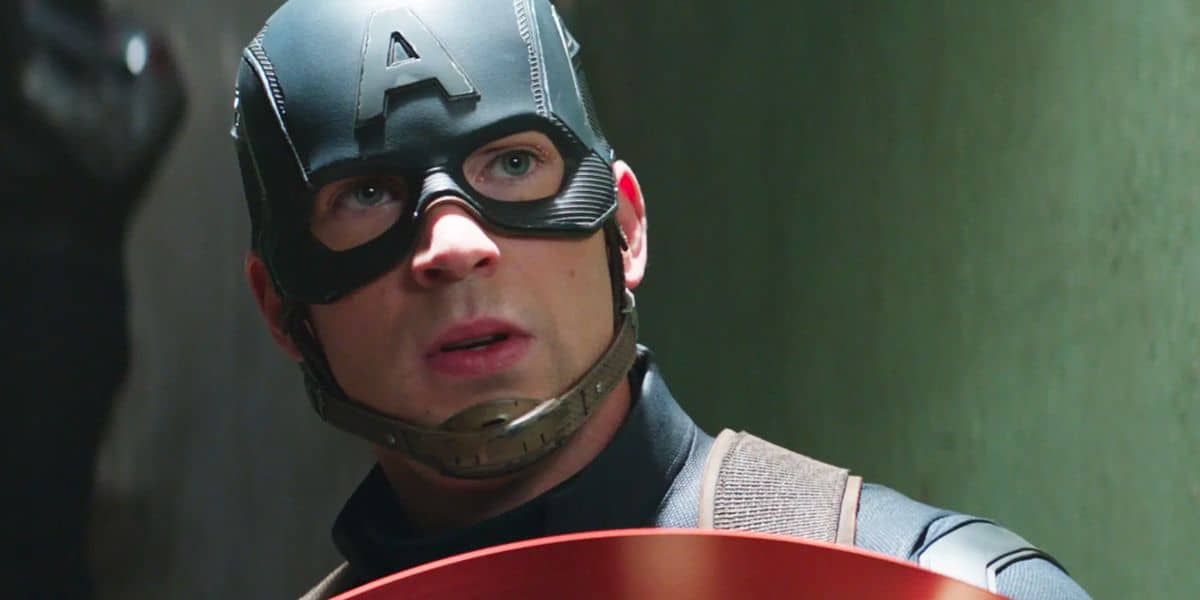
- Steve Rogers (Captain America: The First Avenger): “I don’t like bullies; I don’t care where they’re from.”
- Hopper (A Bug’s Life): “You let one ant stand up to us, then they all might stand up! Those puny little ants outnumber us a hundred to one and if they ever figure that out, there goes our way of life!”
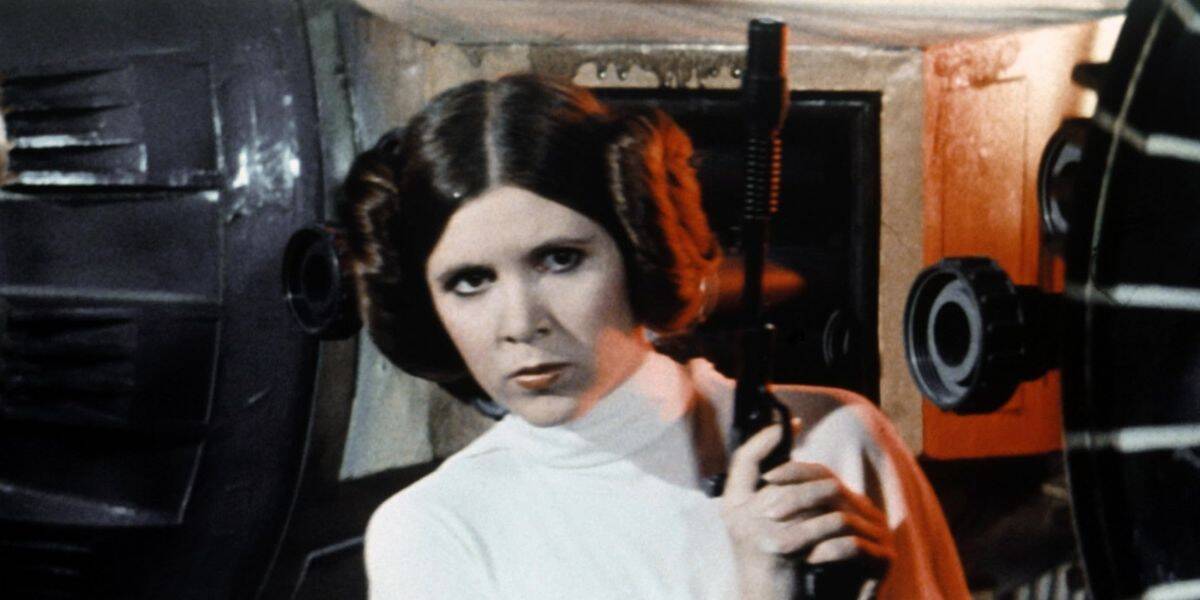
- Leia Organa (A New Hope): “The more you tighten your grip, Tarkin, the more star systems will slip through your fingers.”
The post concluded with a message of solidarity, stating that Disney stands with “those who choose courage over complacency.” By sunset, the post—and the sentiment—were gone.
The “Disney Squeeze”: Corporate Neutrality vs. Creative Integrity
Industry insiders suggest the deletion was the result of a high-level “panic” within Disney’s PR and government relations departments. As Disney navigates 2026, the company finds itself caught in the “Disney Squeeze”—a vice-like pressure between its creative mission to tell stories of rebellion and its corporate need to remain a “safe” global brand.
1. The Fear of Partisan Labeling
In 2026, even the word “anti-fascist” has become a linguistic lightning rod. Analysts believe that Disney’s executive suite feared the thread would be interpreted as a direct commentary on contemporary domestic politics, potentially triggering boycotts from conservative demographics or attracting unwanted attention from legislative bodies.
2. International Market Pressures
Disney is a global behemoth. Quotes about “toppling empires” and “freedom occurring spontaneously” are not just cinematic flourishes; they are revolutionary ideas that can be seen as threats in certain international territories where Disney operates theme parks and streaming services. The deletion may have been a proactive “cleanup” to ensure smooth operations in markets where dissent is strictly managed.
The “Andor Paradox”: Can You Profit from a Revolution You’re Afraid to Name?
The most significant backlash has come from the “creative class” of Disney fans—those who argue that Disney is fundamentally at odds with its own products. This is often called the “Andor Paradox.”

Disney has spent hundreds of millions of dollars producing Andor, a show that is a literal roadmap for how a grassroots rebellion dismantles a fascist state. The show was a critical darling precisely because it didn’t shy away from the gritty, bureaucratic, and violent reality of fighting an empire.
By deleting quotes from Nemik’s manifesto, Disney essentially told its audience: “We will sell you the fantasy of rebellion for $15.99 a month, but we will not stand behind the principles that make that rebellion necessary.”
“It’s the ultimate irony,” says media critic Sarah Jenkins. “Disney wants to own the brand of ‘The Rebel,’ but they have the heart of ‘The Empire’ when it comes to their own corporate safety.”
Backfire: The Streisand Effect in 2026
If Disney’s goal was to minimize controversy, the deletion had the opposite effect. The “Streisand Effect”—where the act of hiding information makes it more famous—took hold almost immediately.
By the morning of January 17, 2026, the deleted quotes were projected onto buildings in major cities and re-shared by cast members from the very films they quoted. The deletion turned a one-day social media post into a week-long news cycle about corporate cowardice.
The move has also alienated the “Star Wars” and Marvel fanbases, who feel that the company is “hollowing out” the characters they love. Steve Rogers isn’t a hero because he wears a shield; he’s a hero because he stands up to fascists. When Disney removes the “anti-fascist” label, they essentially remove the soul of Captain America.
The 2026 Identity Crisis
As Disney moves forward with a slate of 2026 films that rely heavily on these themes of resistance—including a new Star Wars film centered on Rey’s New Jedi Order and the return of the Avengers—the company faces a credibility gap.

How can the company market a film about “restoring balance to the Force” or “defending the multiverse” when it is afraid to leave a quote about bullies on its timeline? This incident is a symptom of a larger identity crisis: Is Disney a storyteller that shapes culture, or a utility that simply manages content?
Conclusion: The Silence is Louder Than the Post
As of this afternoon, Disney has offered no official comment on why the thread was removed. However, the silence speaks volumes. In the digital age, a deletion is a statement of its own. It tells the world exactly what a company is afraid of.

For the fans of the “Most Magical Place on Earth,” the magic feels a little thinner today. The stories they love tell them that “rebellions are built on hope,” but the company’s actions tell them that the bottom line is built on avoiding the conversation entirely.
Do you think Disney should have kept the thread up, or is it better for corporations to stay out of political discussions?