
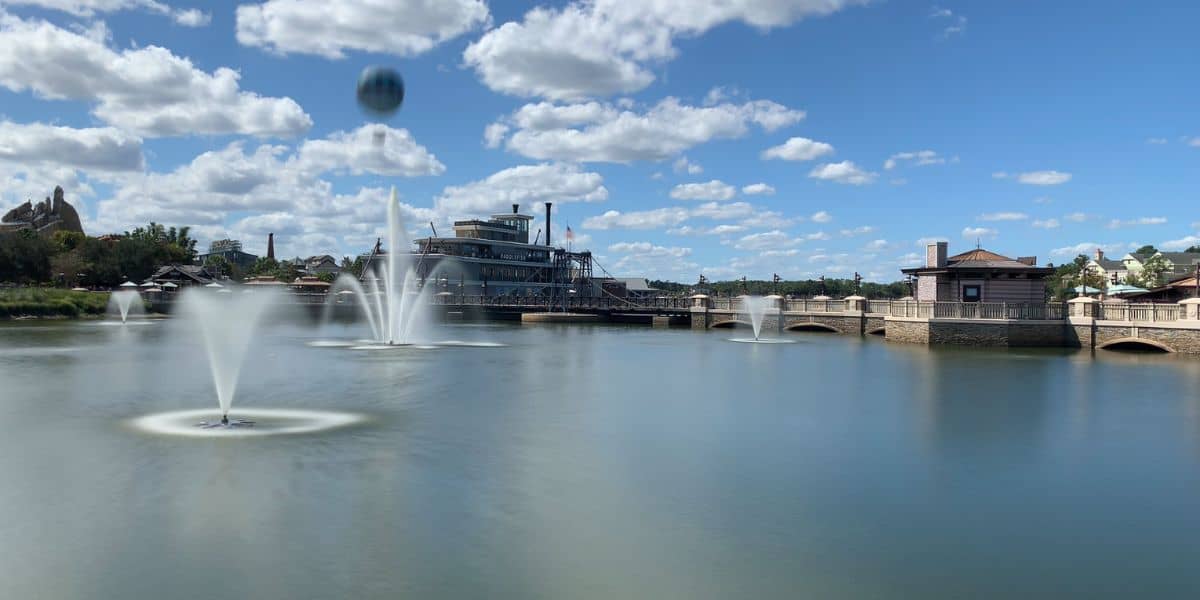
The era of unrestricted, complimentary travel across the Walt Disney World Resort is officially over. On June 28, 2026, Disney management instituted a sweeping, permanent policy change at Disney Springs, installing verification checkpoints at all bus depots and the Sassagoula River Cruise docks. In an effort to curb the rampant abuse of the “free parking hack,” guests are now required to present proof of an active hotel stay, a confirmed dining reservation, or a booked Enchanting Extras experience before boarding any resort-bound transportation.

Now that the dust has settled on the first few weeks of this new operational era, a clear picture is emerging. From an efficiency standpoint, the Disney Springs transportation ban is a massive, undisputed success. However, as the massive crowds of casual day-trippers vanish from the hotel lobbies, a devastating, unintended economic side effect is beginning to take shape—one that could soon threaten the livelihoods of hundreds of Cast Members.
The Checkpoints Are a Resounding Success
For years, the Disney Springs transportation loop was the most chaotic transit hub on the property. offsite visitors and locals realized they could avoid paying the hefty $35 daily theme park parking fee by parking for free at the massive Disney Springs garages. From there, they would simply hop on a complimentary bus to Disney’s Contemporary Resort or Disney’s Grand Floridian Resort & Spa, and effortlessly walk or take the Monorail to the Magic Kingdom.

This loophole caused massive logistical headaches. Paying resort guests were routinely forced to wait in sweltering lines for multiple buses because the capacity was entirely consumed by day-guests bypassing the parking tolls.
Under the new rules, this workaround is entirely dead. Guest Operations Cast Members are now armed with handheld scanners at the entrance to the Disney Springs bus loops. If you do not have a linked resort stay or a dining reservation within a strict two-hour window, you are politely turned away.
Why Transportation Cast Members Are Thrilled
If you ask the Cast Members who actually operate the Walt Disney World transportation network, the new Disney Springs bus ban is one of the greatest operational improvements the company has implemented in decades.
For bus drivers and queue coordinators, the previous system was a daily nightmare. The sheer volume of non-resort guests utilizing the buses to bypass theme park parking created a highly stressful work environment. Drivers frequently had to deal with frustrated, high-paying hotel guests who couldn’t understand why they had to wait 45 minutes for a bus back to their room.
With the new verification checkpoints in place, the chaos has completely evaporated. Cast Members report that the bus depot at Disney Springs is operating more smoothly than ever. Wait times for buses have drastically decreased, the loading process is incredibly efficient, and drivers no longer have to navigate overwhelmed queue lines. By filtering out the parking-hack abusers, Disney has successfully restored the premium value of its complimentary resort transportation. For the frontline transportation teams, morale is exceptionally high.
The Unintended Consequence: Ghost Town Resorts
While the transportation team is celebrating, a completely different group of Cast Members is beginning to feel the negative impact of the new policy. The strict enforcement at Disney Springs has effectively killed the beloved tradition of spontaneous resort hopping.
For decades, Disney Springs served as the ultimate hub for Walt Disney World visitors looking to explore the broader property. A family enjoying an afternoon of shopping could impulsively decide to hop on a bus to Disney’s Polynesian Village Resort for a Dole Whip, or take the boat over to Disney’s Port Orleans Resort to grab a quick order of fresh beignets. Locals frequently used Disney Springs as a launching pad to grab a casual drink at the Tambu Lounge or walk the stunning savannah grounds of Disney’s Animal Kingdom Lodge.
Now, unless those guests have a pre-booked, official Advance Dining Reservation, they are blocked at the gates.
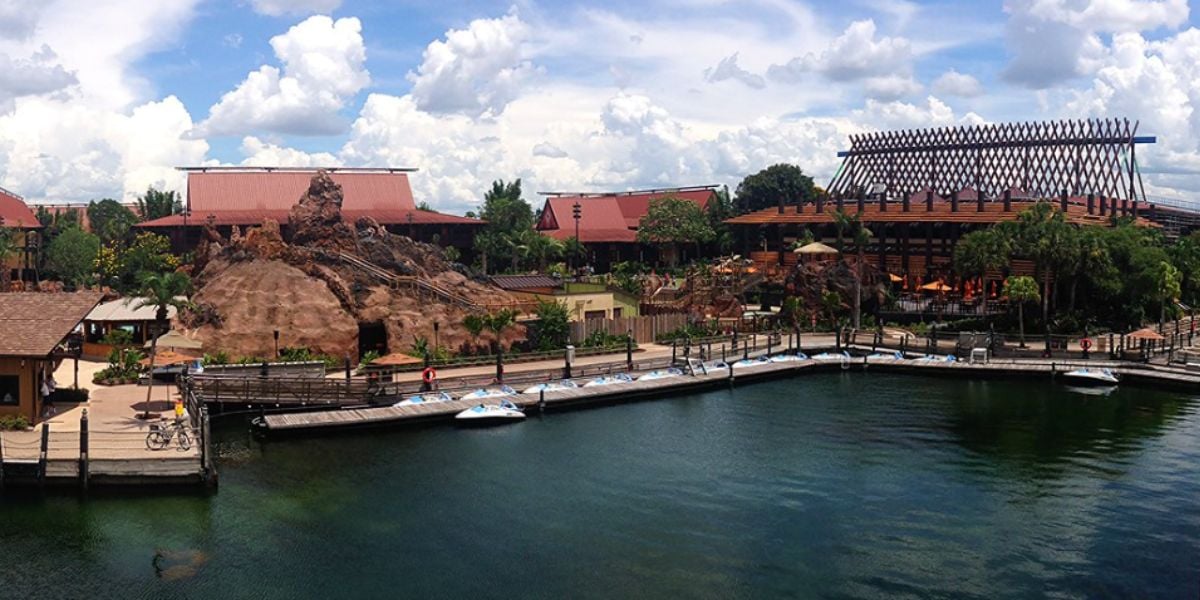
As pointed out by prominent theme park commentators on X (formerly Twitter), including @prdecr8shr and @wdwpro1, cutting off this free flow of foot traffic from Disney Springs is fundamentally altering the atmosphere inside the hotels. Without the influx of casual, spontaneous visitors, resort lobbies, quick-service dining locations, lounges, and merchandise shops are seeing a highly noticeable dip in daily attendance.
The resorts are significantly quieter. While this is certainly a perk for guests paying a premium to stay there, it poses a massive problem for The Walt Disney Company’s bottom line. A quiet resort is an unprofitable resort.
Will Looming Revenue Drops Spark cast member Layoffs?
This brings us to the massive, unintended side effect of the Disney Springs bus ban. When you stop thousands of people from impulsively visiting the resort hotels every single day, you immediately cut off a massive revenue stream.

The Walt Disney Company relies heavily on ancillary spending from casual resort hoppers. When an offsite guest takes a bus from Disney Springs to a deluxe resort, they aren’t just walking around taking photos for free. They are buying a coffee at the quick-service counter, purchasing a resort-specific pin at the gift shop, and ordering a $20 cocktail at the lounge. Multiply those small, spontaneous purchases by thousands of guests every week, and you have a significant financial ecosystem that has just been choked off.
Theme park analysts have been closely monitoring the situation, raising serious concerns about what this sudden drop in resort revenue means for the hospitality workforce. Walt Disney World operates on incredibly strict, algorithmic labor matrices. The number of Cast Members scheduled to work at a quick-service restaurant or a resort gift shop is directly tied to the projected foot traffic and real-time revenue of that specific location.

If fewer people are coming to the resorts because they can no longer easily access them from Disney Springs, the revenue at these resort-based businesses will inevitably plummet. When revenue drops, Disney’s immediate corporate response is to slash labor hours to protect profit margins.
If this trend continues throughout the rest of the year, we will likely see a severe reduction in hours—and potential layoffs—for Cast Members working in resort hospitality, dining, and merchandise. A bartender at a resort lounge who relied on the evening rush of Disney Springs hoppers to justify their shift may suddenly find their hours cut in half. Quick-service locations that used to need five Cast Members to handle the afternoon rush might only be allowed to schedule three.
Balancing the Magic and the Margins
Walt Disney World is currently walking a very dangerous tightrope. The new transportation policy at Disney Springs is undeniably successful in its primary goal. It has eliminated a frustrating loophole, massively improved the vacation experience for paying resort guests, and made the jobs of transportation Cast Members significantly easier.

However, Disney is fundamentally a business that thrives on maximum consumption. By putting a permanent, physical barrier between casual visitors and the resort hotels, they are intentionally turning away paying customers. If the financial hit to the resort restaurants and gift shops proves too severe, Disney may be forced to rethink the ban’s strictness to save jobs and protect its bottom line.
Until then, the Disney Springs bus loops will remain remarkably peaceful and efficient, while the resort lounges and quick-service spots brace for the harsh financial reality of a much quieter Walt Disney World.



The change KILLED traffic at the resort bars and lounges. I saw it myself. Disney probably cut their daily income in half at non-tableservice POS. It’s not just people who can’t go from Disney Springs anymore; it’s locals like me who refuse to support a company that clearly doesn’t want us.
Disney screwed up. Badly. This is not “working,” this is something that will take years to walk back.
Sound what this sounds like is that Disney actually has to inflate their workforce to accommodate crowds that aren’t spending much resorts. If layoffs are the end result, it proves that park hopping was COSTING Disney money, not generating it.