

The Remake Bubble Has Burst: How Disney’s New ‘Tink’ Series is Saving Live-Action from Itself

For the last decade, the “Disney Live-Action Remake” was the most predictable force in Hollywood. It was a billion-dollar assembly line: take a masterpiece from the 90s, add some CGI fur or scales, cast a pop star, and watch the box office explode. But as we move into the spring of 2026, the assembly line has officially ground to a halt. The audience is tired, the “uncanny valley” is deeper than ever, and Disney’s new leadership has finally grabbed the emergency brake.

In a series of shocking moves that have sent ripples through Burbank, Disney Entertainment Co-Chairman Dana Walden has begun a “creative purge” of the studio’s development slate. The victims? High-profile remakes of Robin Hood and Bambi. The survivor? A high-prestige, live-action series titled Tink.
This isn’t just a schedule change; it’s a total reimagining of how Disney uses its library. The era of the “shot-for-shot” movie is dying, and the era of the “prestige character study” has arrived.
The Death of the “Uncanny Valley”: Why ‘Robin Hood’ and ‘Bambi’ Were Axed
According to a bombshell report from Inside the Magic, Dana Walden has spent the last few weeks aggressively “thinning the herd.” The cancellation of Robin Hood—which was set to feature a bizarre blend of human actors and CGI-rendered foxes and bears—marks a turning point for the studio.

The decision comes on the heels of the quiet death of the Bambi remake. The reason? Creative redundancy and aesthetic fatigue.
- The “Uncanny” Problem: After 2019’s The Lion King, audiences voiced a growing distaste for photo-realistic animals that lacked the emotional range of their hand-drawn ancestors. A “realistic” Bambi watching his mother die in 4K resolution wasn’t just unnecessary; it was potentially traumatizing for the brand.
- The Content Glut: Under previous regimes, Disney+ needed “content” at any cost. Walden, however, is pivoting back to prestige; if a project doesn’t have a compelling “why,” it doesn’t get a green light.
By killing these projects, Walden is effectively telling the world that Disney is done tracing over its old homework.
Enter ‘Tink’: The New Blueprint for Disney Magic
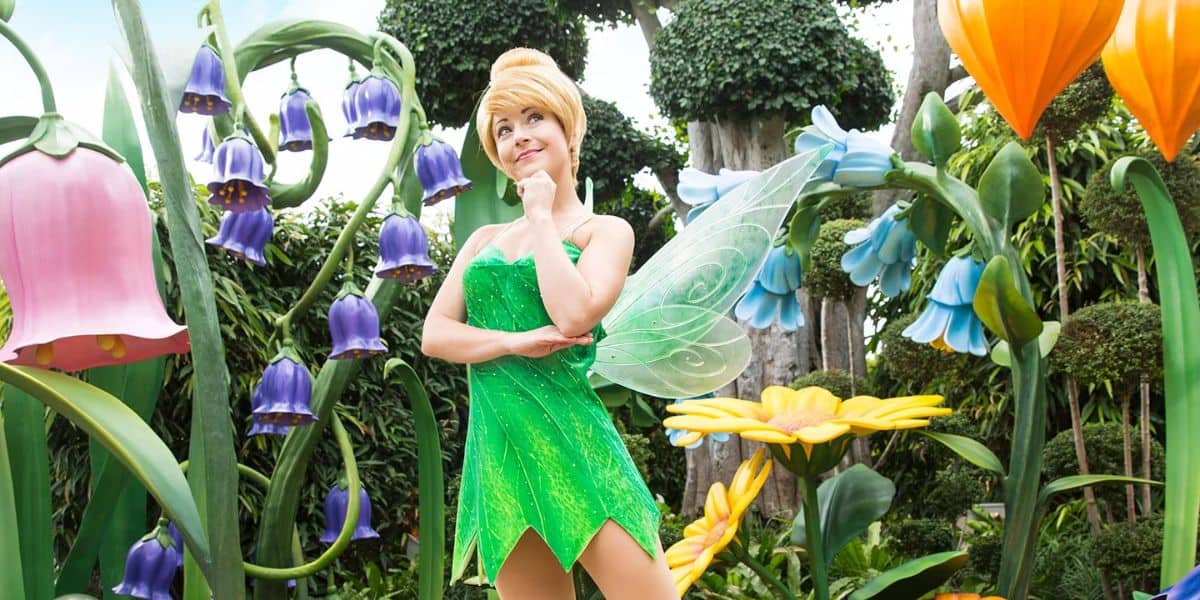
While the remakes are being cleared away, something new is growing in their place. Deadline has confirmed that Disney is moving forward with Tink, a live-action series centered on the studio’s most iconic (and silent) fairy.

But make no mistake: this is not Peter Pan 2. Tink is being described as a “high-fantasy origin story” that explores the intricate lore of Neverland long before Peter ever set foot on the island. By choosing a series format over a theatrical feature, Disney is fundamentally changing the live-action genre.
“The shift toward long-form storytelling allows us to explore the psychology of characters who were previously just archetypes. Tinker Bell is a symbol of the company, but we’ve never truly seen her world from her perspective.” — Disney Creative Executive on the greenlight.
Why ‘Tink’ is Reimagining the Genre
The Tink series represents three major shifts in Disney’s creative strategy that will likely define the next decade of entertainment:
1. From “Remake” to “Deep Dive.”
Instead of retelling a story we all know by heart, Tink is an expansion of the universe. It treats Neverland like a fantasy world on par with Middle-earth or Westeros. This “HBO-ification” of Disney IP suggests that the studio is finally trusting its audience to want more than just nostalgia; they want world-building.
2. The Move to Prestige Television
By moving live-action projects to Disney+ as high-budget series rather than mid-tier movies, Disney is maximizing “subscriber stickiness.” A movie is a one-night event. A six-episode series like Tink keeps fans talking for nearly two months, fueling social media discourse and theme park synergy in a way a single film simply cannot.
3. Solving the Aesthetic Crisis
One of the biggest failures of the recent live-action era has been the attempt at “realism.” Fairies, by definition, don’t need to look realistic. Tink allows Disney to lean into a vibrant, stylized, and overtly “magical” aesthetic that avoids the dull, brown-and-grey palettes of recent remakes like Peter Pan & Wendy.
The Walden Standard: A New Era of Integrity
The cancellation of Robin Hood and Bambi might feel like a loss to some, but for the health of the Disney brand, it is a massive win. Dana Walden is signaling a return to creative intentionality.

By clearing out the “filler” remakes, the studio is focusing its vast resources on projects that actually benefit from the live-action medium. Tinker Bell, as a silent character in animation, is a fascinating candidate for a live-action series where her internal monologue and external actions can be explored in a way that hand-drawn ink never quite allowed.
What Comes Next for the Disney Vault?
The success of Tink will likely determine the fate of dozens of other projects currently in “development limbo.” If audiences embrace this new, long-form approach to side characters, we could see a total shift in the Disney pipeline.

- Fewer shot-for-shot remakes of “The Big Five” (The Little Mermaid, Aladdin, etc.).
- More prestige series focusing on “Lore-Heavy” characters (think The Muses from Hercules or an epic Maleficent-style history of the Three Good Fairies).
Disney is finally learning that the “Magic” isn’t in the title; it’s in the depth of the story. Tinker Bell may be small, but she’s carrying the weight of a multi-billion-dollar pivot on her wings.



Have they been asleep for awhile there was a series of like 5 movies all about how Tink was born and the whole fairy world