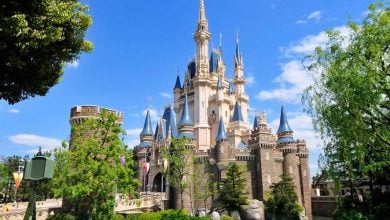
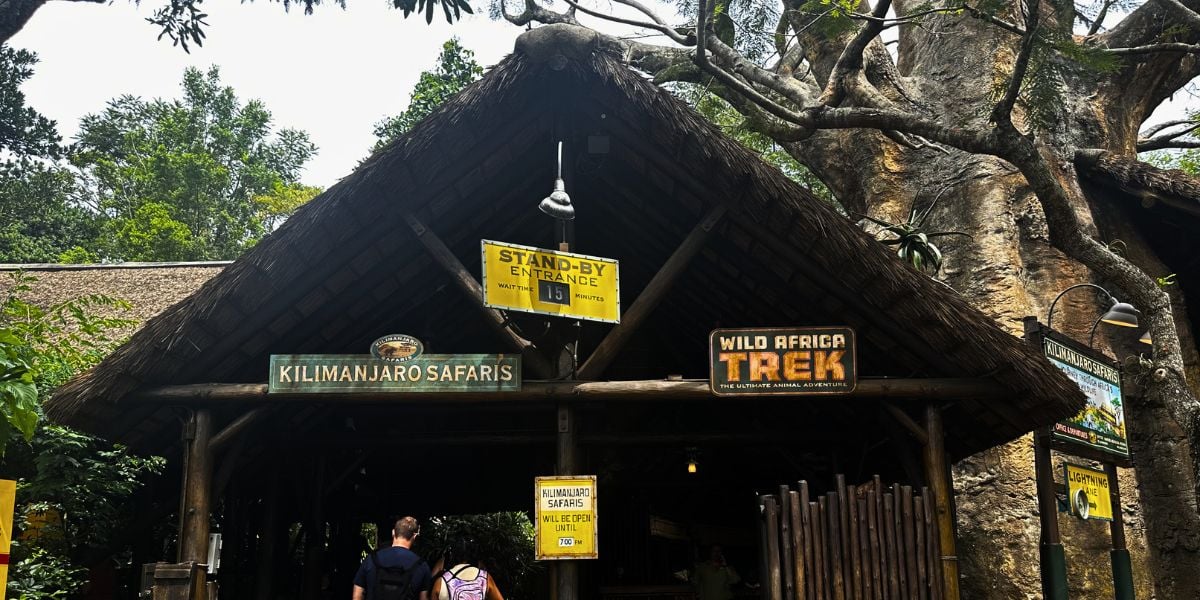
Every Disney kingdom around the globe guards a handful of sacred originals like royal crown jewels. Take a stroll through Disneyland Park in Anaheim, and you can still glide through Never Land on Peter Pan’s Flight or board the Disneyland Railroad just as opening-day guests did in 1955. Head to the Magic Kingdom in Florida, and you will find Haunted Mansion, Dumbo the Flying Elephant, and It’s a Small World dutifully cycling crowds half a century after welcoming their first visitors. Even EPCOT, despite years of disruptive construction walls, anchors its front gates with Spaceship Earth, while Disney’s Animal Kingdom still invites adventurers aboard Kilimanjaro Safaris.
Then there is Disney’s Hollywood Studios.
Hidden in plain sight within Walt Disney World, this park holds an astonishing, bittersweet milestone that sets it apart from every other Disney gate across the globe: it is the only Disney theme park on Earth where 100% of its opening-day attractions are extinct.
When the turnstiles first spun on May 1, 1989, the park was not branded as Hollywood Studios, nor was it engineered as a high-octane amusement park packed with roller coasters and hyper-detailed alien planets. It debuted as the Disney-MGM Studios Theme Park—a functioning, working television and motion picture production facility where guests were invited behind the velvet rope to witness the real mechanics of entertainment.
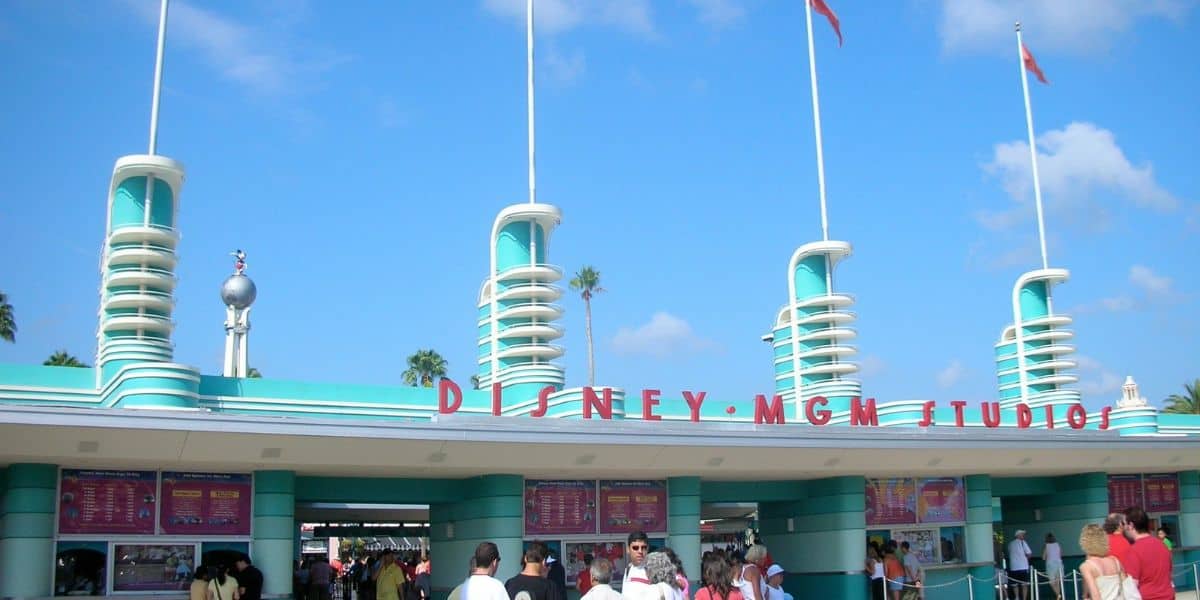
Fast-forward through more than three decades of corporate upheaval, shifting guest expectations, and the collapse of Central Florida’s cinematic ambitions, and every trace of that original 1989 roster has vanished. Here is the remarkable story of how the park shed its foundational skin to survive, attraction by attraction.
1. The Great Movie Ride
No attraction embodied the park’s original soul quite like The Great Movie Ride. Anchored directly behind the gates inside a meticulous, full-scale recreation of Hollywood’s Grauman’s Chinese Theatre, this grand 22-minute dark ride stood as the literal and emotional heart of the property.

Guests boarded expansive theater-style trams piloted by live cast member tour guides who navigated riders through the Golden Age of cinematic history. The journey showcased dozens of Audio-Animatronics set across colossal physical sets, recreating iconic sequences from Casablanca, Singin’ in the Rain, The Public Enemy, Mary Poppins, Raiders of the Lost Ark, and The Wizard of Oz. Halfway through, the tram was dramatically hijacked by an armed mobster or a dusty bank robber, tossing guests into the middle of the action before delivering them to a sweeping cinematic montage.
For nearly three decades, it served as the park’s centerpiece. But as Metro-Goldwyn-Mayer licensing agreements lapsed and younger generations lost touch with classic black-and-white cinema, the experience began to feel like a relic. On August 13, 2017, the final tram reached the end of the reel. Three years later, the Chinese Theatre reopened housing Mickey & Minnie’s Runaway Railway, a trackless, projection-heavy romp that officially extinguished the final surviving member of the 1989 inaugural class.
2. The Studio Backlot Tour (The Backstage Studio Tour)
When the park opened, the Backstage Studio Tour was not merely a companion attraction—it was the entire operational justification for building the resort. Conceived as a sweeping two-hour combination of a motorized tram ride and a guided walking tour, it offered legitimate behind-the-scenes access to working wardrobe departments, active prop fabrication shops, soundstages, and authentic residential street sets used for network sitcoms and television commercials.
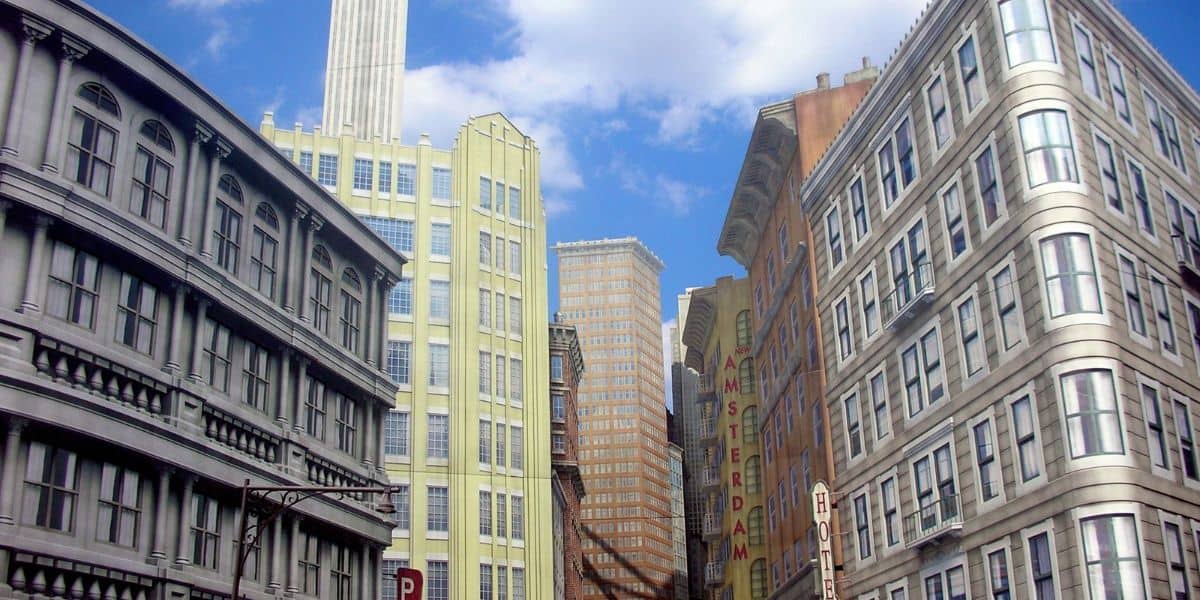
The undisputed highlight of the trek was Catastrophe Canyon, a simulated live-action movie set designed to demonstrate physical special effects. Trams parked atop a rocky gorge were suddenly rocked by an earthquake, surrounded by erupting oil-tanker explosions, and engulfed by a wall of 70,000 gallons of rushing water.
Yet the broader dream of turning Orlando into “Hollywood East” never materialized. Major film productions found it cheaper to stay in California or relocate to Georgia, leaving soundstages largely vacant. Over the years, the tour was continuously cut back to make room for newer additions like Toy Story Mania! and the Lights, Motors, Action! Extreme Stunt Show. In September 2014, the final tram returned to base. Demolition crews arrived shortly after, leveling Catastrophe Canyon and the backlot streets to carve out the acreage for Star Wars: Galaxy’s Edge and Toy Story Land.
3. The Magic of Disney Animation
On opening day, visitors could walk elevated catwalks and look through floor-to-ceiling glass windows to watch real, working Disney animators drafting celluloid frames at their desks. This was not a performance; Walt Disney Feature Animation Florida was a genuine satellite production studio.

Artists working onsite in Florida contributed critical sequences to the Disney Renaissance, working on The Little Mermaid, Beauty and the Beast, Aladdin, and The Lion King. Eventually, the studio graduated to producing entire feature-length classics on property, including Mulan, Lilo & Stitch, and Brother Bear.
Guests began their tour with an entertaining short film called Back to Neverland, featuring Robin Williams and Walter Cronkite, before exploring the artistry of hand-drawn animation. However, as the film industry aggressively pivoted toward computer-generated animation in the early 2000s, Disney shuttered its Florida animation unit in 2004. The space was reduced to character meet-and-greets and an interactive animation class before shutting down permanently in 2015. Today, the soundstage houses the brand-new Magic of Disney Animation.
4. SuperStar Television
Located along Echo Lake, SuperStar Television stood as an early technical marvel in interactive theme park entertainment. Using sophisticated chromakey (blue screen) technology in a 1,000-seat theater, the show selected volunteers from the crowd and placed them into famous moments in television history.

With the help of live costuming and camera wizardry, everyday parkgoers were seen bantering with Johnny Carson on The Tonight Show, frantically wrapping chocolates with Lucille Ball on I Love Lucy, or stepping up to the plate on Cheers.
While thrilling in an era before personal camcorders and smartphones, the novelty faded as home video editing and desktop computing became everyday utilities. The attraction took its final bow in September 1998. The facility transitioned from Doug Live! and The American Idol Experience to the Hyperion Theater, where it now hosts the wildly popular Frozen Sing-Along Celebration.
5. The Monster Sound Show
Just across the way, The Monster Sound Show gave guests a comedic look into the obscure art of Foley sound effects.
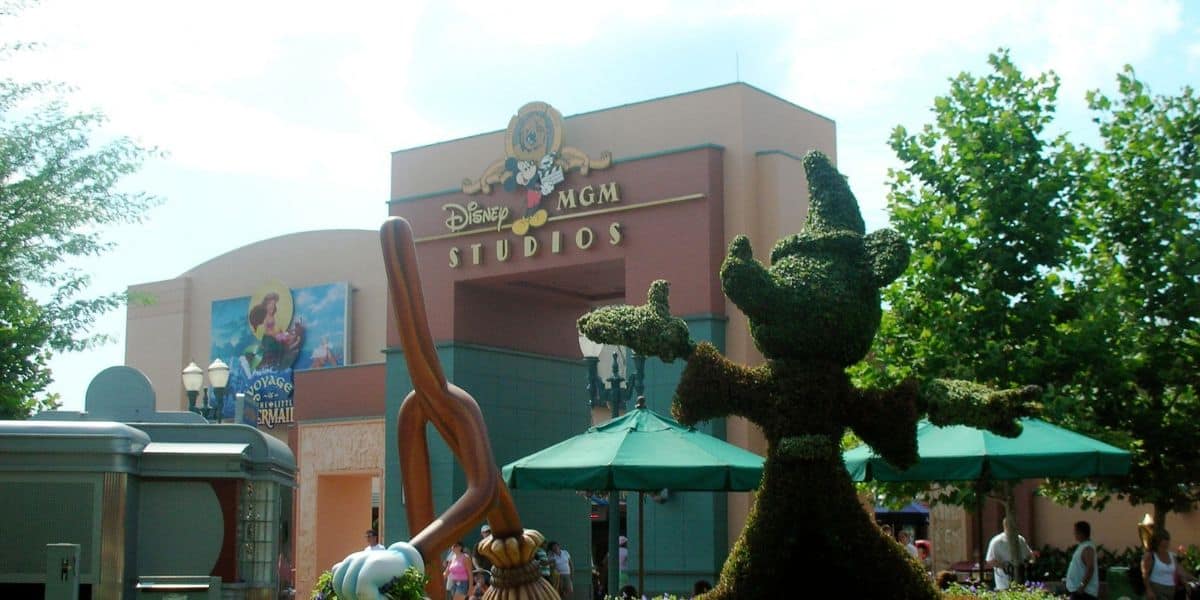
Each performance brought four volunteers onto a specialized soundstage equipped with quirky physical props—such as twisting stalks of celery to simulate breaking bones, rustling tarps to mimic rushing wind, or clapping coconut halves together to simulate galloping horses. The volunteers were tasked with generating sound effects in real time alongside an eerie comedic short film starring Chevy Chase and Martin Short. Inevitably, timing delays and misplaced cues resulted in hilarious live-playback bloopers.
Much like SuperStar Television, the transition to digital audio editing stripped the physical Foley process of its practical relevance in the industry. The show was heavily retooled in 1999 into Sounds Dangerous Starring Drew Carey, which ran on a dwindling seasonal schedule before shuttering permanently in 2012. Today, the renovated venue operates as the Mickey Shorts Theater, screening the original short film Vacation Fun.
The Price of Survival: From Working Backlot to IP Empire
The total extinction of the May 1, 1989 roster was not the result of corporate neglect, but rather an aggressive, high-stakes pivot for survival.
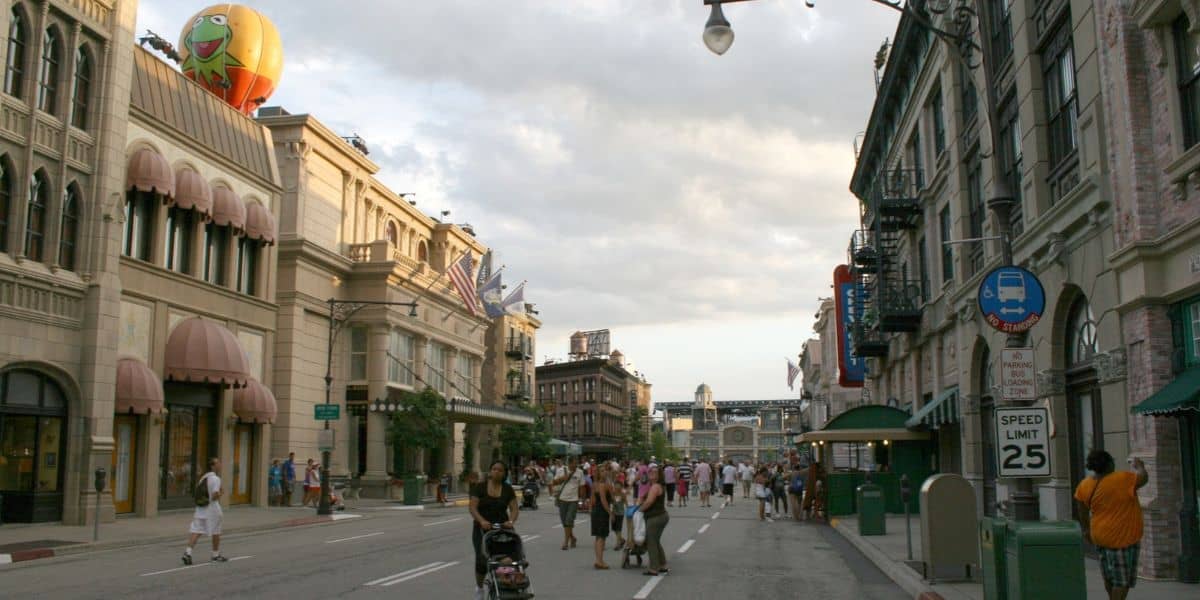
In its opening year, Disney-MGM Studios was widely criticized as an underbuilt “half-day” park, heavily dependent on passive walking tours rather than repeat-ride infrastructure. As Florida’s commercial film industry dried up and audiences grew less captivated by the mechanics of making movies, Imagineering recognized a fundamental shift in theme park psychology: guests no longer wanted to stand behind the camera and watch the sausage get made. They wanted to step directly into the screen.
While sentimental park historians will always lament the loss of The Great Movie Ride or the thrill of seeing genuine animators sketching at their desks, clearing the board was the only way the park could survive. By trading away its inaugural lineup, Disney’s Hollywood Studios transformed itself from an obsolete production tour into a blockbuster playground driven by immersion, thrills, and modern storytelling.