Six Flags roller coaster closures have spread across North America following a fatal incident at Six Flags Over Georgia on Monday, October 12, 2026. The amusement park operator temporarily shut down nine roller coasters across six parks after one person died and several others were injured at the Georgia property.
The closures extend well beyond the Atlanta-area park, affecting major attractions in multiple states and Canada. Six Flags described the shutdowns as precautionary, but the circumstances surrounding the death remain under investigation.
Six Flags Roller Coaster Closures Follow Fatal Georgia Incident
The incident occurred Monday afternoon at Six Flags Over Georgia, located in the Mableton-Austell area northwest of Atlanta. According to the Associated Press, one person died and several others were injured in an incident involving a roller coaster.
Local television footage showed passengers being evacuated from Goliath, one of the park’s signature attractions. Although witnesses identified Goliath in their accounts, the initial statements from authorities and Six Flags did not officially identify the coaster involved.
The Cobb County Police Department’s Major Crimes Unit is investigating the incident. Authorities have not established the cause of death publicly, nor have they confirmed whether a mechanical malfunction, restraint problem, or another factor contributed.
The company’s response quickly expanded beyond Georgia. Six Flags confirmed that similar attractions at other properties were temporarily closed as a precaution, introducing significant operational consequences for guests hundreds of miles from the original incident.
The shutdowns are especially notable because they involve attractions at multiple properties rather than a single roller coaster undergoing investigation.
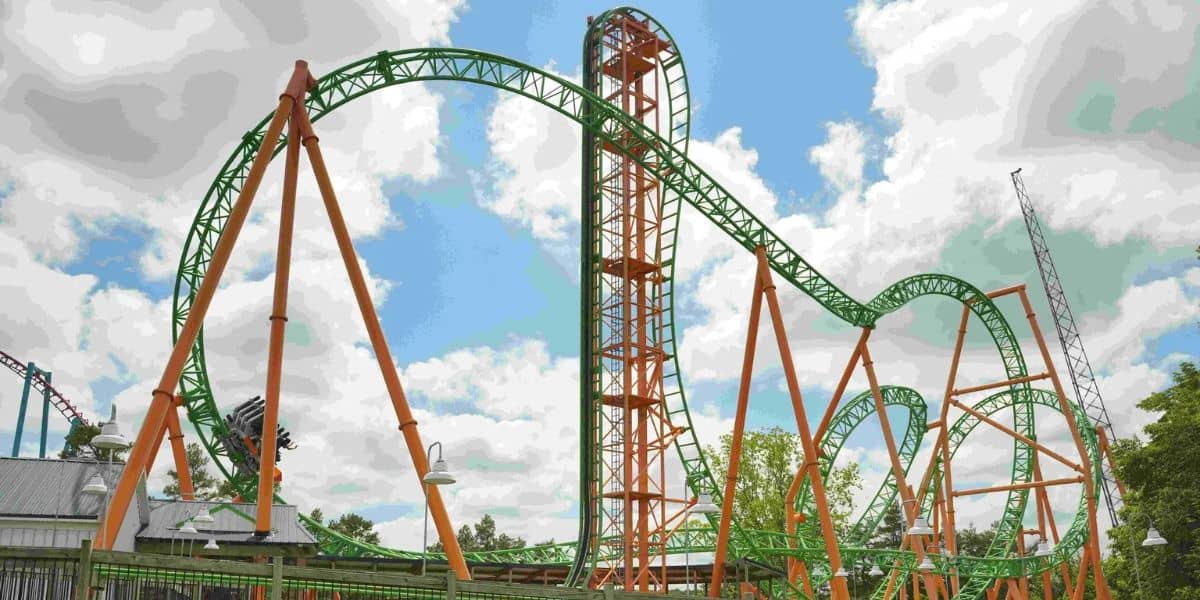
Nine Roller Coasters Shut Down Across Six Six Flags Parks
The temporary closures affect some of the company’s recognizable thrill rides, including attractions at former Cedar Fair properties now operating under the Six Flags corporate umbrella.
Among the reported closures are:
-
Six Flags Great America, Illinois: Raging Bull.
-
Six Flags Great Adventure, New Jersey: Nitro.
-
Six Flags Magic Mountain, California: Goliath.
-
Kings Island, Ohio: Orion and Diamondback.
-
Carowinds, North Carolina: [VERIFY: individual affected coaster names].
-
Canada’s Wonderland, Ontario: [VERIFY: individual affected coaster names].
These locations were identified through regional reporting, including coverage of the closures by local television stations. Six Flags had not released a complete, consolidated list of all nine affected attractions in the initial reports.
For enthusiasts following Six Flags roller coaster developments, the shutdowns represent a substantial disruption to several parks’ headline attractions.
Unlike routine maintenance, these closures followed a fatal incident at another property. Their geographic reach makes the company’s safety response particularly significant.
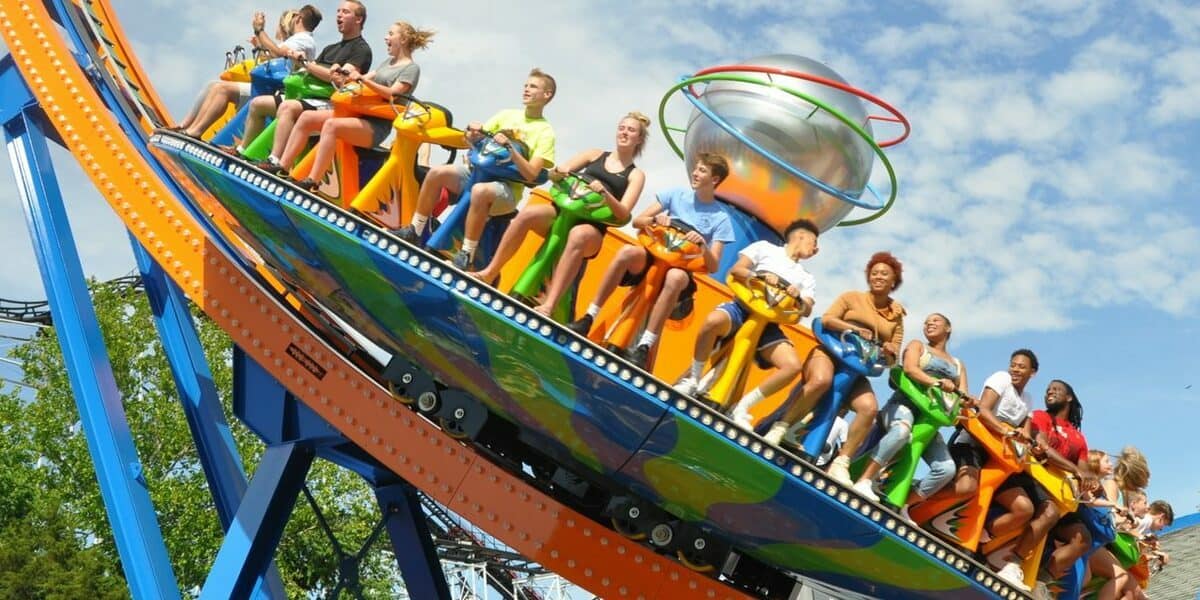
Could Similar Roller Coaster Designs Explain the Closures?
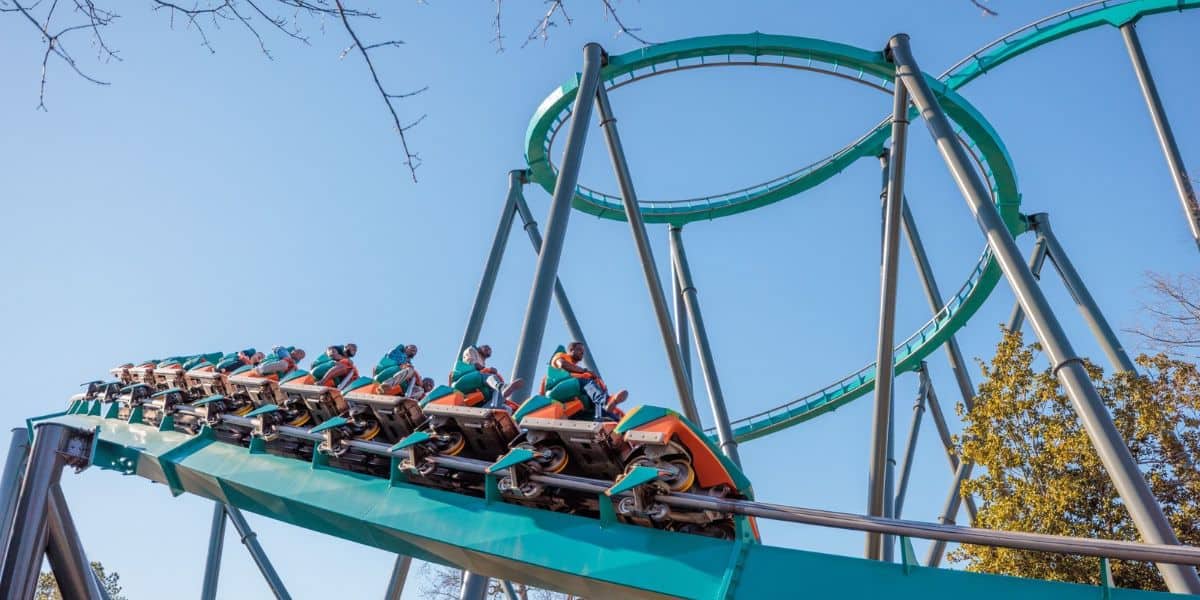
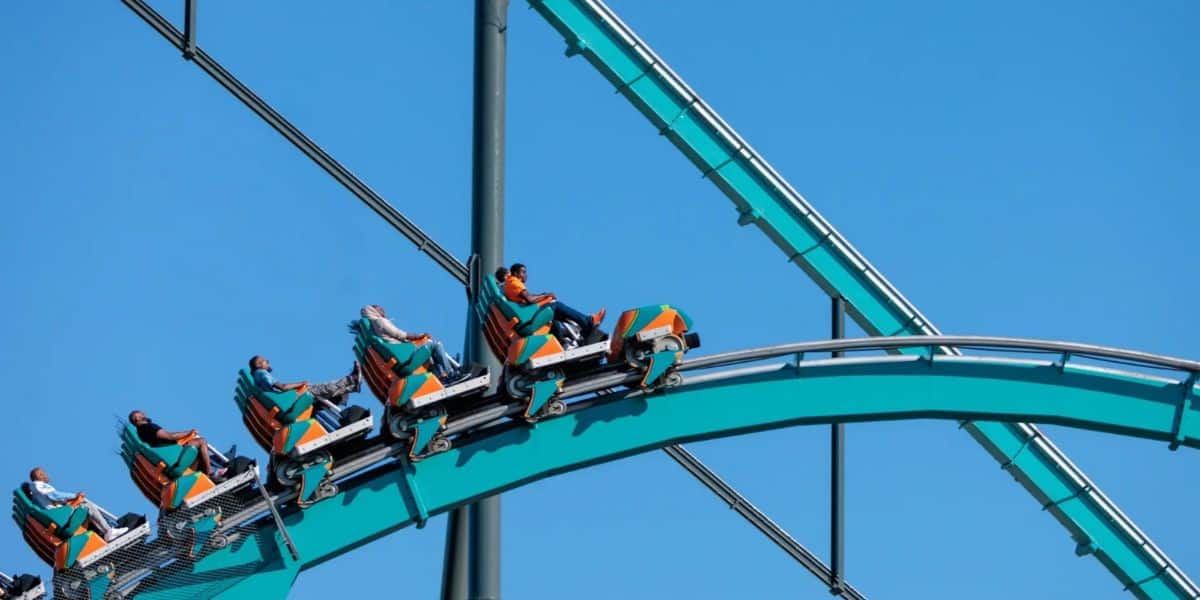
The Georgia attraction at the center of local reporting is Goliath, a hypercoaster manufactured by Bolliger & Mabillard.
According to the official Six Flags Goliath attraction page, the roller coaster opened in 2006, reaches approximately 200 feet, and travels at speeds approaching 70 mph.
Several affected attractions share broad design characteristics with Goliath, including towering hills, high-speed layouts, and similar manufacturer backgrounds.
However, shared design characteristics do not establish a shared defect.
Six Flags has not publicly confirmed that a restraint failure caused the Georgia incident. Nor has the company announced that the temporarily closed rides contain defective components.
That distinction matters. A precautionary shutdown can allow operators to evaluate potential similarities before determining whether any additional action is necessary.
For readers following theme park safety and operational developments, the central question is whether investigators identify an attraction-specific problem or something requiring broader examination.
Until officials release findings, describing the shutdowns as evidence of a confirmed fleet-wide restraint failure would be premature.
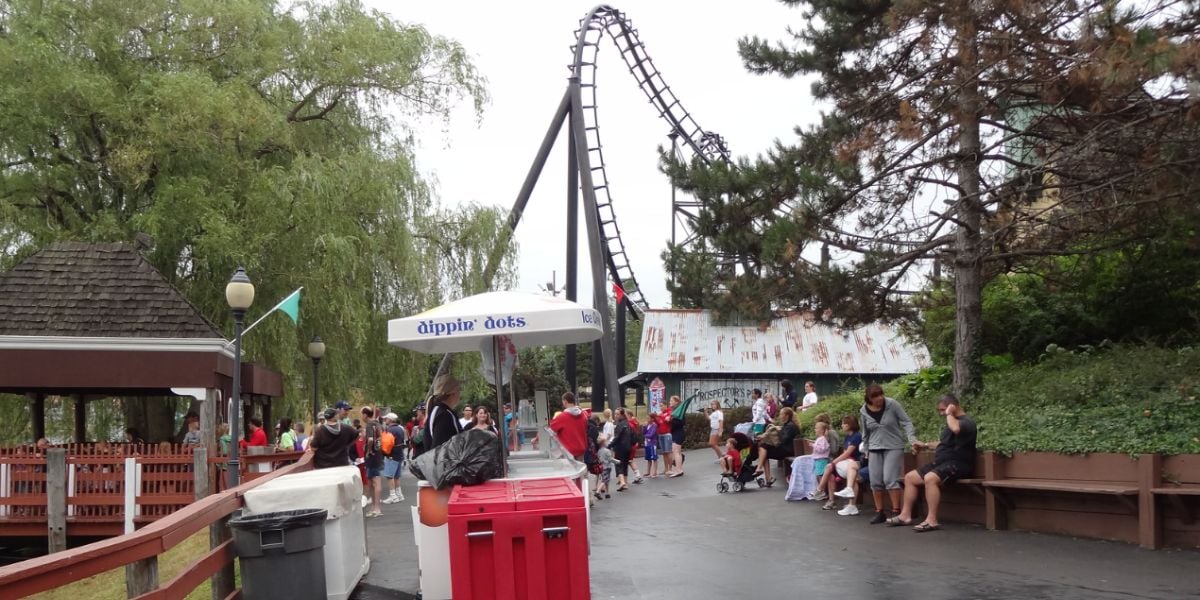
What the Closures Mean for Six Flags Guests
The immediate consequence is straightforward: visitors planning trips around particular roller coasters could encounter unavailable attractions.
At Kings Island, local reporting confirmed that both Orion and Diamondback were temporarily closed, with no reopening timeline announced at the time. Other affected properties face similar uncertainty while the company’s precautionary response continues.
Guests should check their destination’s official attraction information before traveling, particularly if a specific coaster is the main reason for visiting.
The Six Flags Over Georgia visitor guide explains how the company’s mobile application provides park information, including ride wait times and attraction details.
Families should also understand that the nine reported closures do not mean every roller coaster at the affected parks has been shut down.
For visitors tracking changes across major amusement parks, the situation underscores how an incident at one location can influence operations elsewhere.
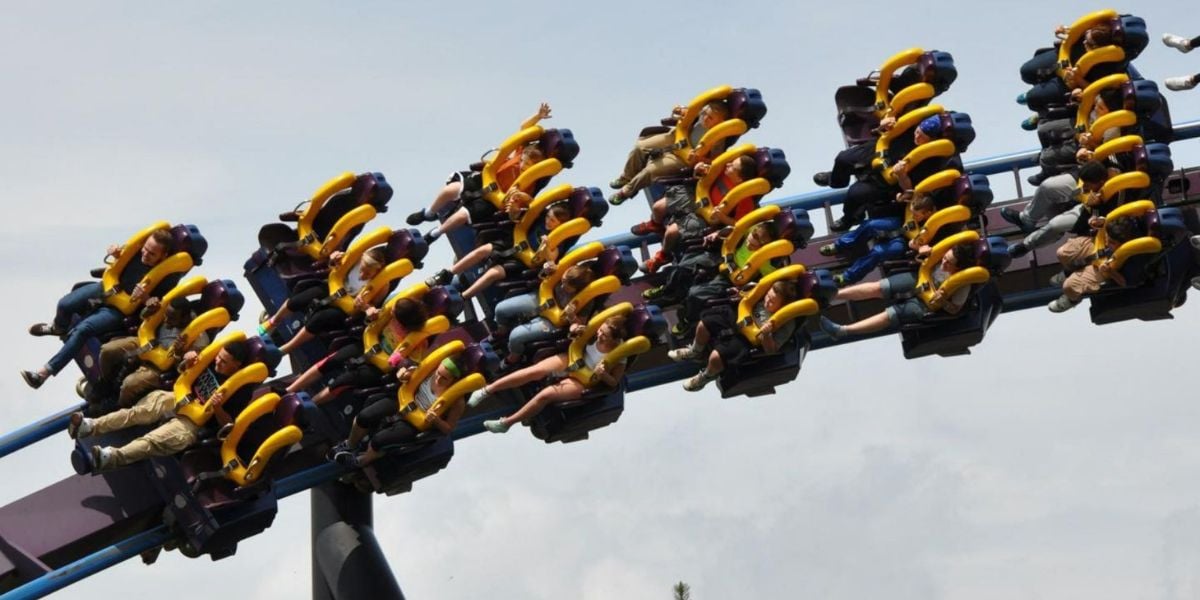
Six Flags Faces Questions as Investigation Continues
The closures arrive at a consequential moment for Six Flags Entertainment Corporation, whose portfolio includes properties previously operated by Cedar Fair.
That expanded portfolio helps explain why a precautionary decision can affect attractions carrying different park identities across several regions.
The incident also raises questions about how operators evaluate comparable ride systems following a serious accident.
Those questions should not be confused with established findings. Investigators must determine what occurred in Georgia before conclusions about equipment, operating procedures, or potential liability can be supported.
Six Flags has expressed condolences to the affected family and said it is cooperating with authorities, according to the Associated Press.
The company’s decision to suspend similar rides demonstrates the immediate operational importance of its response, regardless of what investigators ultimately determine.

When Will the Closed Six Flags Roller Coasters Reopen?
As of October 13, Six Flags had not announced a comprehensive reopening schedule for the nine affected roller coasters.
The company also had not publicly identified a confirmed common mechanical problem connecting the temporarily closed attractions.
Future updates may clarify which inspections are required, whether any corrective measures become necessary, and when individual parks can resume operations.
For now, the investigation in Georgia remains the central development. Its findings could determine whether these closures remain temporary precautions or lead to additional action across the company’s amusement park portfolio.