The End of the Copy-Paste Remake: Inside Disney’s Emergency Pivot After Massive Box Office Disasters

For over a decade, Walt Disney Studios operated on what seemed like an unbeatable box-office formula: take a beloved animated classic, give it a high-budget live-action makeover, and watch the cash roll in. Blockbusters like Beauty and the Beast (2017), Aladdin (2019), and The Lion King (2019) generated billions globally, convincing studio executives that nostalgia was an endless goldmine.

However, the tide has officially turned. What once felt like guaranteed theatrical gold has rapidly transformed into a risky, hyper-expensive gamble. Faced with audience fatigue, critical backlash, and mounting box office losses, Disney is quietly dismantling its traditional remake playbook. The studio is abandoning the “shot-for-shot” remake formula in favor of a fresh cinematic strategy centered on world-building, character spin-offs, and original reimaginings.
The Box Office Wake-Up Call: The Flops of Snow White and Moana
Disney’s abrupt strategic pivot was triggered by back-to-back box office disappointments that proved moviegoers are no longer willing to pay ticket prices for stale retread stories. The high-stakes failures of live-action Snow White and Moana served as the ultimate wake-up call for studio executives.

Snow White: A $170 Million Fairy-Tale Disaster
Intended to celebrate the legacy of Walt Disney’s 1937 animated masterpiece, the live-action Snow White remake turned into an expensive nightmare. Ballooning costs, extensive reshoots, controversial redesigns, and a difficult PR cycle plagued production. Starring Rachel Zegler and Gal Gadot, the project struggled to find its identity between honoring traditional nostalgia and appealing to modern audiences.
When Snow White arrived in theaters, audiences stayed away. With a production budget exploding past $240 million due to delays, the film scraped together just over $205 million worldwide. Once marketing and distribution costs were factored in, Disney was left absorbing an estimated loss of over $170 million. The message was clear: glossy CGI and familiar branding are no longer enough to save an uninspired remake.
Moana: The Danger of Premature Nostalgia
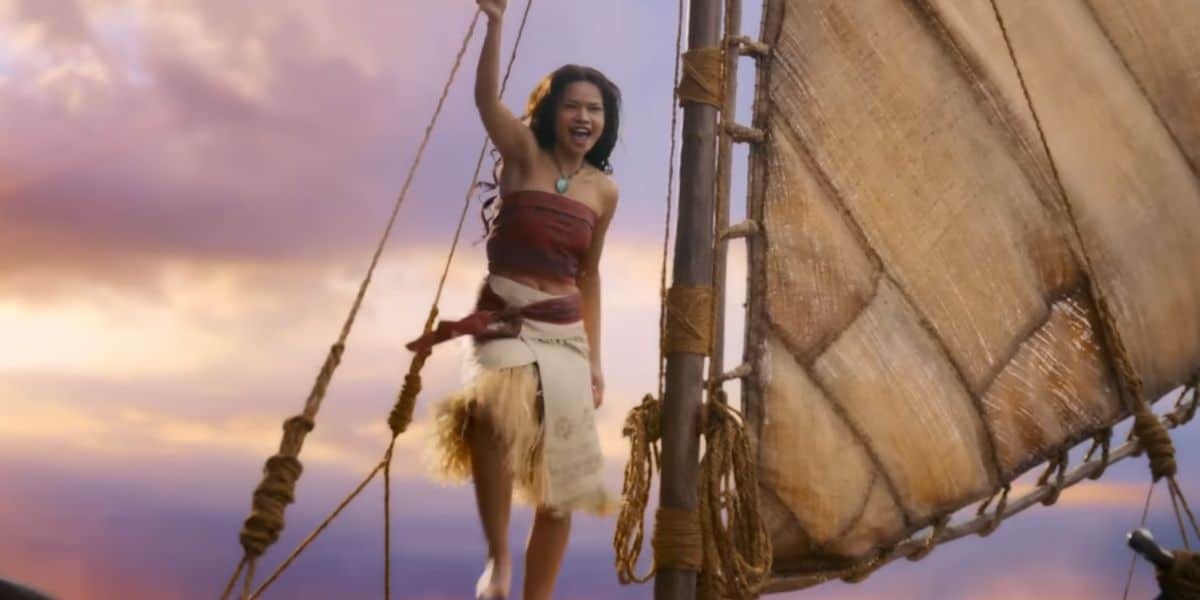
If Snow White demonstrated the peril of remaking an 80-year-old classic without a clear vision, the live-action Moana exposed the danger of rushing modern hits back to theaters. Arriving in mid-2026, the live-action film debuted less than a decade after the 2016 animated original and barely a year and a half after Moana 2 dominated the box office.
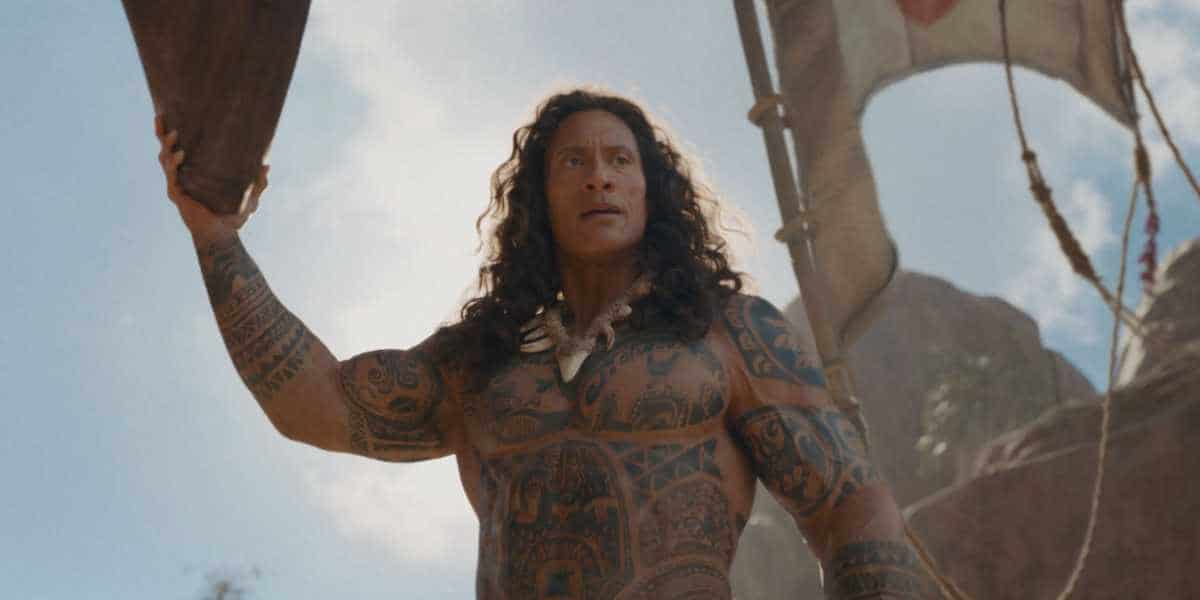
Moviegoers suffered immediate burnout. Audiences saw little reason to buy tickets for a live-action replica of a story fresh in pop culture memory. Stalling out at just over $300 million worldwide against a $250 million budget, the live-action Moana resulted in over $100 million in losses, proving that fast-tracking modern properties into live-action remakes breeds cynicism rather than excitement.
A Radical New Formula: Four Projects Leading Disney’s Live-Action Future
With hundreds of millions lost on recent disappointments, Disney executives have officially recognized that the old live-action playbook is broken. Recent industry updates reveal that the studio is actively redirecting resources away from frame-by-frame retellings. Instead, Disney’s new live-action slate is leaning into creative spin-offs, villain perspectives, and filmmaker-driven expansions of established worlds.

Four major projects in active development illustrate exactly how Disney plans to evolve its live-action strategy:
1. A Reimagined Sleeping Beauty (Directed by Dan Trachtenberg)
Rather than producing a traditional live-action adaptation of the 1959 animated classic, Disney has partnered with director Dan Trachtenberg (Prey) for a fresh take set within the Sleeping Beauty universe. Separate from the studio’s existing Maleficent films, this project leverages core fairy-tale mythos while giving a visionary filmmaker room to build an original experience.
2. A Princess Tiana Feature (Led by Colman Domingo)
Following the enduring popularity of The Princess and the Frog, Disney is developing a dedicated live-action Tiana project alongside creative Colman Domingo. Rather than forcing a direct live-action translation of the 2009 animated musical, the film represents a broader character-driven expansion of Tiana’s world, allowing her story to evolve into compelling new territory.

3. Stepsisters (Expanding the Cinderella Lore)
Instead of rehashing Cinderella’s familiar journey to the ball, Disney is working on Stepsisters, a spinoff that flips the iconic story on its head. By focusing on the perspective of the wicked stepsisters, the project draws on the Cinderella universe while offering a completely new narrative angle.
4. Gaston (A Beauty and the Beast World Expansion)
Spinning off from the world established in 2017’s Beauty and the Beast, Disney is moving forward with Gaston, an expanding character project highlighting the infamous huntsman. Rather than re-staging the central romance, this project explores side-character dynamics and unseen corners of the original story.
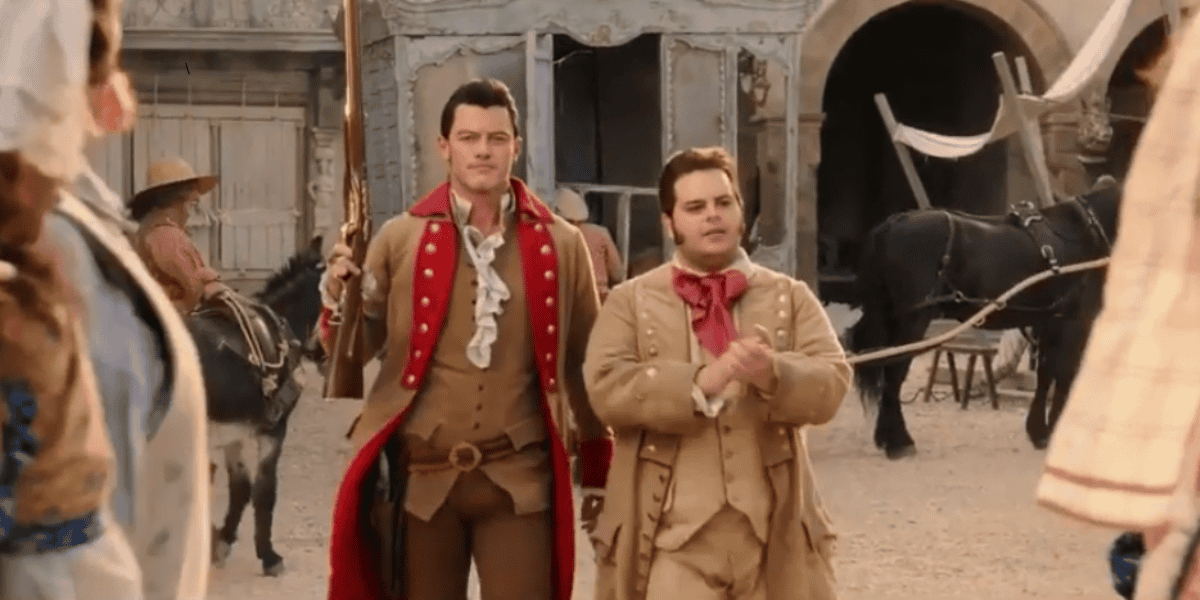
Together, these four developments signal a clear shift in philosophy: Disney is done asking audiences to pay for the same movie twice. By prioritizing world-building and unexpected narrative angles over shot-for-shot retellings, the studio is giving its iconic IP room to breathe.
What This Strategy Change Means for Disney Fans
For Disney enthusiasts, this strategic pivot marks a welcome departure from an era dominated by corporate repetition. The demise of the shot-for-shot live-action remake opens the door for genuine creative risk-taking, fresh storytelling, and exciting cinematic world-building.
While live-action projects will remain a cornerstone of Disney’s theatrical slate, the lessons learned from Snow White and Moana are reshaping the studio’s future. By stepping away from carbon-copy remakes and embracing bold new concepts, Disney has a real chance to recapture the magic that made these stories timeless in the first place.