
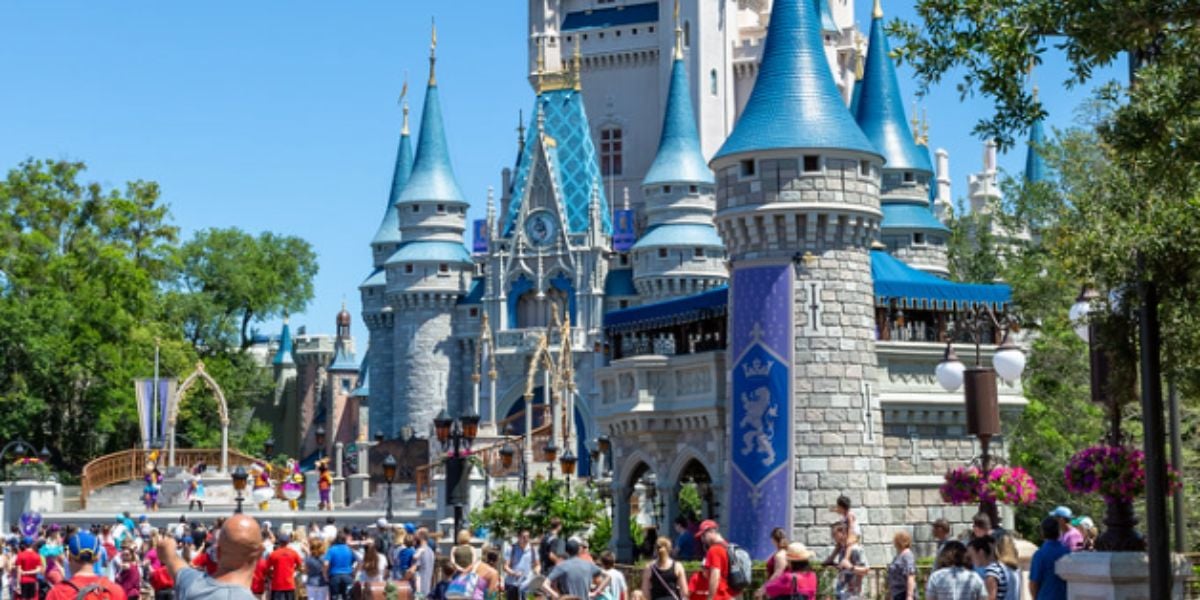
For decades, seasoned Walt Disney World veterans held a closely guarded secret: if you wanted to experience the magic without the madness, you visited during the “off-season.” Historically, this golden window opened in mid-August as summer vacations fizzled out and extended through September. It was a reliable time when guests could stroll down Main Street, U.S.A., with plenty of elbow room and experience minimal waits for blockbuster attractions.

Today, that clearly defined off-season is little more than a nostalgic memory. The Walt Disney Company is a master of crowd control and revenue optimization, and executives quickly realized that empty parks equated to lost revenue. By leveraging hard-ticket after-hours parties, massive resort discounts, and dynamic ticketing, Disney has ensured that Walt Disney World remains a bustling, year-round destination.
The “Summer Slump” Changes the Math
To understand why the off-season feels dead, you have to look at how Disney’s overall crowd calendar has fundamentally shifted. According to recent wait-time data, the traditional summer peak is vanishing entirely. Average wait times for both June and July 2026 sat at a mere 27 minutes across the resort. This summer slump means the sharp, dramatic drop-off that used to occur when kids went back to school no longer happens.
Because July is no longer a high-crowd nightmare, the transition into August and September feels far less significant. The “problem” isn’t necessarily that the off-season has gotten exponentially more crowded—it’s that the dates before it have gotten substantially less busy. Disney’s attendance curve has been aggressively smoothed out. Even on historically slow days, guests will still encounter heavy congestion on popular walkways and see posted wait times of 40 to 60 minutes for premier rides. The mythical days of a “ghost town” Magic Kingdom are a thing of the past.
Weaponizing Halloween and Special Events
One of the most effective tools in Disney’s arsenal for combating the late-summer lull is the strategic expansion of seasonal events. Rather than waiting for autumn weather to arrive, Disney pushes Halloween earlier every year. In 2026, Mickey’s Not-So-Scary Halloween Party kicked off on August 7—a time when Central Florida is still experiencing sweltering 90-degree highs and oppressive, tropical humidity.
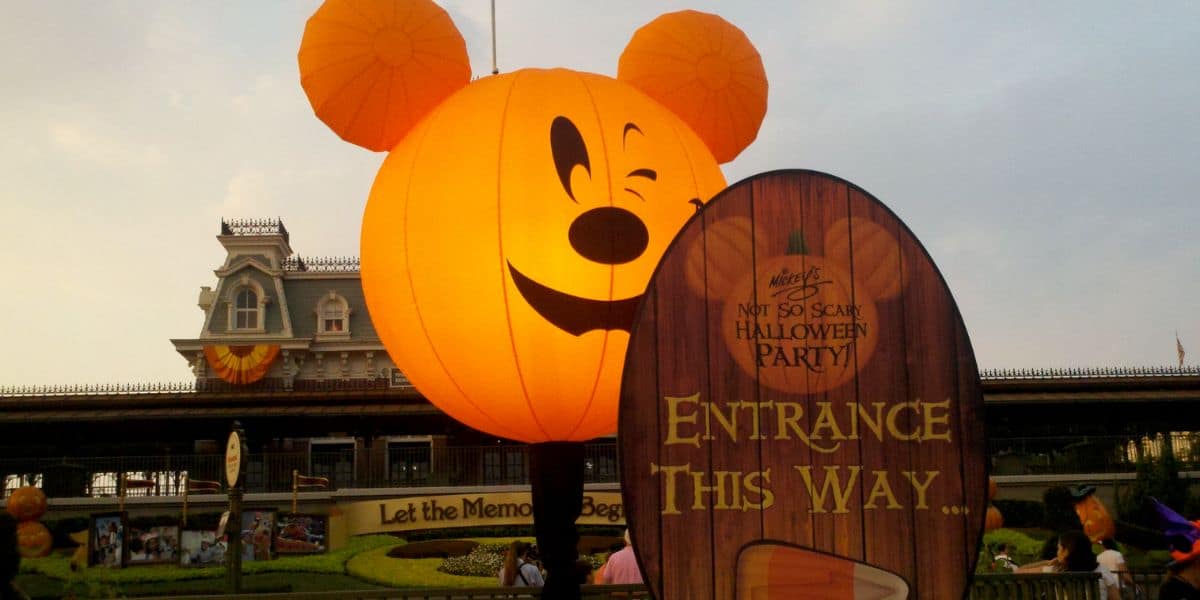
This highly popular, separately ticketed after-hours event turns Magic Kingdom into a massive draw during what would otherwise be a dead month. Fans are more than willing to brave peak hurricane season and torrential afternoon downpours just to experience the exclusive Halloween parades, seasonal fireworks, and rare character meet-and-greets.
But Halloween isn’t the only draw. Over at EPCOT, the International Food & Wine Festival also traditionally opens in late summer, providing yet another massive anchor event that keeps adults and foodies flocking to the resort during August and September. By stacking these premium seasonal offerings during the hottest, rainiest months of the year, Disney ensures that fans have a compelling reason to visit when they otherwise wouldn’t even consider a vacation to Florida.
Irresistible Discounts and the Local Rebound
If Halloween parties and food festivals are the hook, Disney’s aggressive pricing strategies are the sinker. The company uses a dynamic, date-based pricing model for park tickets, so it costs significantly less to visit during historically slow periods. As August progresses, ticket prices transition from high-summer rates to off-peak pricing, bottoming out around $119 by the end of the month.

This pricing strategy acts as a powerful magnet for budget-conscious families. People who deliberately postponed their summer visits to save money inevitably flood the parks as soon as peak-season prices drop. The financial incentives extend far beyond park admission. Disney traditionally announces aggressive summer discount offers for its on-property hotels that extend well into August and September. By effectively slashing the barrier to entry with reduced Deluxe and Value resort room rates, Disney artificially inflates demand during the traditional off-season.
Furthermore, a major catalyst for this baseline congestion is the strategic manipulation of the local demographic. In August, Annual Passholder blockout dates lift, allowing thousands of Florida residents to return to the parks. Central Florida schools, such as those in Orange County and Osceola County, returned to session around August 10 in 2026, a date that has historically triggered a massive drop in attendance. However, the influx of returning local passholders taking advantage of lifted blockouts creates a solid foundation of attendance that prevents the parks from ever feeling deserted.
Adapting to the New Reality of Disney Travel
The death of the Disney World off-season has completely changed how families plan their vacations. You can no longer pick a random week in September, assume the parks will be empty, and expect to walk onto your favorite attractions without a wait. Disney’s masterful deployment of after-hours parties, bottom-dollar ticket prices, and luxury hotel discounts has successfully smoothed out the attendance curve, ensuring the parks stay busy 365 days a year.

If you are planning a trip to Orlando, the best strategy is to stop chasing the ghost town days. Instead, focus on what matters most to your family. If your goal is to save money, target the highly discounted ticket days in late August and September. If your priority is comfortable weather, aim for January through April. The off-season may be dead, but with the right expectations and a solid touring strategy, the magic of a Walt Disney World vacation is still very much alive.




Very nice article, again. Reminds me the main goal while in Covid : flat the curve, remember ?