There is a post going around that is making a lot of people rethink their Disney resort stays, and honestly, we think everyone should read it.

Disney Clips Guy shared on X that newly obtained state records show wildlife trappers have removed at least 414 nuisance alligators from Walt Disney World property since 2016. The number is real. The records come from the Florida Fish and Wildlife Conservation Commission. And the reaction online has been a fascinating split between people who are genuinely shocked and Florida locals who are basically shrugging.
We have thoughts. And more importantly, we have context that matters before your next Disney trip.
First, the Number That Launched a Thousand Replies
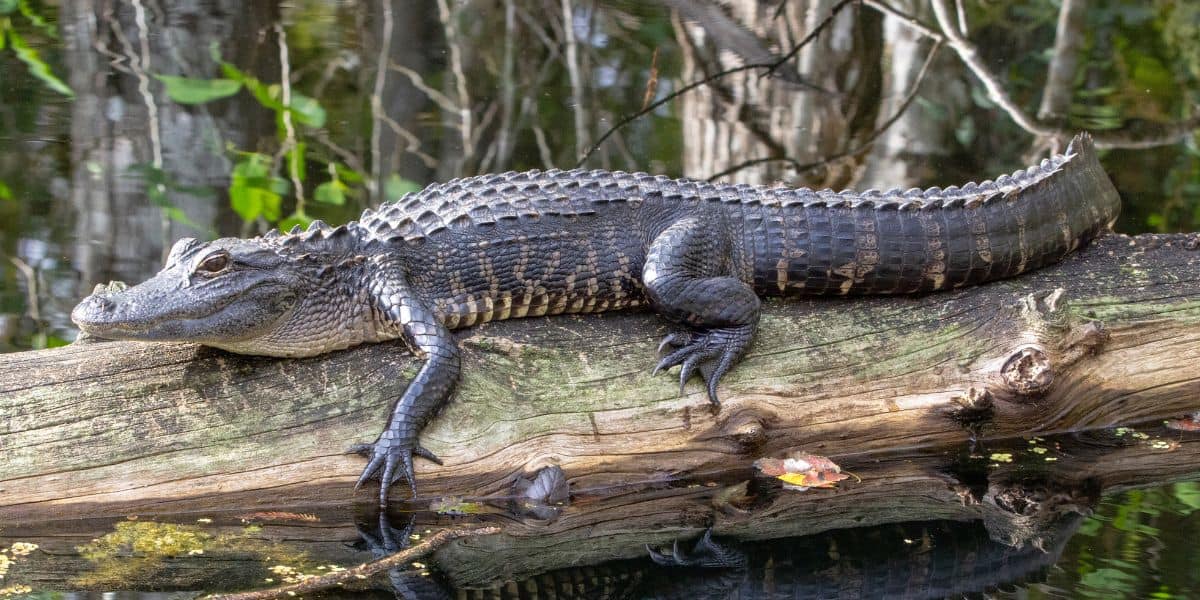
Four hundred and fourteen alligators removed from Walt Disney World property. In nine years. That works out to roughly 46 per year since 2016, though the actual annual numbers fluctuate significantly and tell their own story.
In the eight years before 2016, state-contracted trappers averaged just 23 alligator removals per year from Disney property. Then in 2016, that number jumped to 83. The following year, 57. From 2018 through 2025, the annual average settled around 36. At least a dozen more have already been captured in the first four months of this year alone.
The Tragedy That Changed the Resort Forever

Lane Thomas Graves was two years old. On June 14, 2016, he was on the beach outside Disney’s Grand Floridian Resort, building sandcastles. He was standing “ankle deep or less in the water,” according to the state investigation, scooping water into a bucket, when an alligator came out of the Seven Seas Lagoon and pulled him in.
Lane did not survive.
In the days that followed, Disney moved fast. Fences and large rocks went up along shorelines across the property. Signage about alligators and snakes appeared throughout the resort. Cast Member training was reinforced. A lighthouse sculpture was placed near the Grand Floridian beach in 2017 to honor Lane and raise awareness of the Lane Thomas Foundation, the nonprofit his parents created to support families of children needing organ transplants.
Before all of that, guests could walk right down to the water at the Grand Floridian, the Polynesian, and other resort hotels with no barrier and no warning. Walt Disney World’s earliest promotional materials from 1971 showed families swimming in the resort’s lakes. The alligators were there the whole time.
What the Comments Revealed About the Gap Between Perception and Reality
The X thread that followed Disney Clips Guy’s post is worth reading in full because it captures something important about how Disney’s presentation of its environment shaped guest expectations in ways that real Florida residents never would have needed.
I’ll never forget the first time we stayed at a Disney resort and my kids asked me if there were alligators in the river at Port Orleans. I asked a CM and they said they use Disney magic to keep them out.
Then of course there was the terrible tragedy with that little boy at the… pic.twitter.com/6CDzg1FRJO
— Disney Clips Guy (@disneytipsguy) July 7, 2026
One person shared this: “I’ll never forget the first time we stayed at a Disney resort and my kids asked me if there were alligators in the river at Port Orleans. I asked a CM and they said they use Disney magic to keep them out. Then of course there was the terrible tragedy with that little boy at the GF. But 414! Holy cow!”
Another commenter described the before times at those same resort beaches: “I remember also visiting the Poly and Grand Flo beach area on that trip and I could not believe there was no fence up or any signs at the beaches about gators. The little boy who died was the exact same age as my son, so it’s ingrained in my mind, and it was just so unnecessary for that accident to happen. My heart aches for his family.”
Meanwhile, Florida locals in the thread were barely surprised. “If you’re in Florida and you’re by water there are gators. Period.” Another described assuming alligators live anywhere there is standing water, including a neighbor’s garden and under a friend’s car on a hot day.
One reply that stuck out: “I remember waking up early at Port Orleans once and seeing two CMs whacking a gator with brooms saying ‘git back in the river before you scare the tourists.'”
Someone who spotted an enormous gator walking the Boardwalk path to Hollywood Studios in 2019 was not surprised either. Neither was the commenter who remembered a large resident gator at Shades of Green becoming an informal attraction before the 2016 tragedy prompted its removal.
“WDW was built on Gator habitat,” one person wrote. That is not a critique. That is Florida.
How the Removal Program Actually Works
The removals happen through the FWC’s Statewide Nuisance Alligator Program, called SNAP. State-contracted trappers get a $50 stipend per alligator captured. The FWC does not relocate nuisance alligators because they tend to find their way back to where they were caught, and remote areas already have their own established populations.
FWC communications coordinator Hailee Seely described the program’s purpose: “The goal of SNAP is to proactively address alligator threats in developed areas, while conserving alligators in areas where they naturally occur. People with concerns about an alligator should call FWC’s toll-free Nuisance Alligator Hotline at 866-FWC-GATOR (866-392-4286), and we will dispatch a contracted nuisance alligator trapper to resolve the situation.”
As for where the alligators go after capture, some end up at zoos and animal exhibits. Others go to licensed farms. Ian Hall, owner of Florida Hunting, Fishing and Outdoor Adventures in Okeechobee, described what happens to the ones his operation receives: “We received them all alive and they are released on our hunting preserve where our clients can hunt them. Then they are processed for eating.”
Florida’s total alligator population is approximately 1.3 million. Removing 414 from one property over nine years does not register as a conservation concern.
Walt Disney World addressed the ongoing program in a 2021 statement: “In keeping with our strong commitment to safety, we continue to reinforce procedures related to reporting sightings and interactions with wildlife, and work closely with Florida Fish and Wildlife Conservation Commission to remove or relocate certain wildlife from our property in accordance with state regulations.”
What You Actually Need to Know Before Your Next Disney Trip
The fences and rocks that went up after 2016 are real and visible. The signage is there. The casual beach access that existed before Lane Graves died is gone. Disney has made meaningful changes to the physical layout of its waterfront areas and to how it communicates risk to guests.
The alligators did not go anywhere. Florida has 1.3 million of them. The water at Walt Disney World is still Florida water.
The FWC guidance for anyone near Florida waterways is practical and specific. Keep your distance from any alligator you spot. Leash your pets and keep them back from the water’s edge because they resemble natural prey. Swim only in designated areas during daylight hours and never with pets in tow. Never feed an alligator under any circumstances, it is illegal and it teaches them to associate people with food, which is exactly how encounters turn dangerous. If you see one that concerns you, call 866-FWC-GATOR.
For Disney guests visiting from outside Florida, particularly those traveling with young children who have no baseline understanding that alligators are a real and present part of this landscape, that conversation is worth having before you arrive. Not to frighten anyone. Just to make sure that when someone in your group wanders toward the water’s edge at the Polynesian at dusk, they understand why you are going to call them back.
Have you spotted an alligator during a Disney World stay or anywhere else in Florida? Tell us in the comments. And if you are heading to a Florida Disney destination for the first time with kids who have never encountered this before, share your questions below. This is one of those conversations worth having openly, especially with the resort’s beautiful waterfront being such a big part of the on-property experience.