Universal Suddenly Ends World Cup Viewing Parties at CityWalk After Guests Raise Growing Crowd Concerns
Shocking Announcement Goes Viral

There are few experiences quite like watching a global sporting event surrounded by thousands of strangers who, for just a few hours, feel like lifelong friends. Every goal becomes a shared memory. Every dramatic finish echoes through the crowd. At entertainment destinations, those moments can create an atmosphere that feels almost impossible to replicate.
That was the promise behind Universal CityWalk Hollywood’s World Cup viewing parties. Throughout the tournament, the district transformed into a gathering place where soccer supporters from around the world could celebrate together before heading to restaurants, shops, or a night at the movies. For many visitors, it offered something that extended beyond theme parks—a genuine community event.
But as attendance continued to swell, fans began noticing a different conversation emerging online. Excitement slowly gave way to frustration. What started as an energetic celebration was increasingly being described as overwhelming, with some guests questioning whether the experience had become too chaotic for everyone trying to enjoy CityWalk.

Universal Has Quietly Brought the Celebration to an End
That growing conversation has now been answered.
Universal Studios Hollywood confirmed through its official social media channels that all remaining World Cup viewing parties at CityWalk have been canceled for the rest of the tournament.
“Our soccer viewing parties have concluded for the remainder of the tournament. We thank you for showing your fandom, and we hope you’ll continue to enjoy CityWalk’s shopping, dining, and movie experiences.” – @UniStudios on X
Our soccer viewing parties have concluded for the remainder of the tournament. We thank you for showing your fandom, and we hope you'll continue to enjoy CityWalk's shopping, dining, and movie experiences. pic.twitter.com/Dj9HE94JCz
— Universal Studios Hollywood (@UniStudios) July 4, 2026
“Our soccer viewing parties have concluded for the remainder of the tournament. We thank you for showing your fandom, and we hope you’ll continue to enjoy CityWalk’s shopping, dining, and movie experiences.”
The announcement leaves little room for interpretation. There are no additional viewing events planned, meaning fans hoping to watch the remaining matches inside Universal CityWalk will need to find another venue.
While Universal did not provide a specific reason for ending the events early, the response from guests online has painted a fairly consistent picture.
Guests Believe the Crowds Became Too Much
If there was any surprise surrounding Universal’s announcement, it wasn’t reflected in many of the comments that quickly followed.
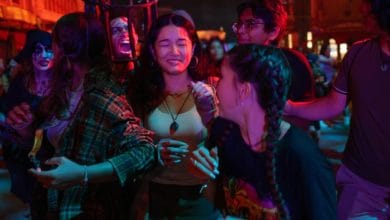
Instead, numerous guests applauded the decision, claiming the viewing parties had become increasingly difficult to manage because of the sheer size of the crowds. Others alleged that disruptive behavior from some attendees had begun affecting the experience for families, vacationers, and guests who simply wanted to enjoy CityWalk’s restaurants and entertainment offerings.
Fans are noticing that this wasn’t just another busy weekend at CityWalk. The World Cup drew passionate supporters from around the globe, creating an atmosphere unlike a typical evening destination crowd.
For many soccer fans, that intensity is part of the excitement.
For other visitors—especially tourists who may have had no idea a major viewing event was taking place—it reportedly became an unexpected obstacle during their visit.
The contrast highlights one of the biggest challenges entertainment destinations face when hosting large-scale public gatherings. The energy that attracts thousands of guests can also become the very thing that changes the experience for everyone else.

This Decision Reflects a Bigger Operational Challenge
To some, ending the viewing parties may seem like a relatively small operational adjustment.
In reality, it reflects a balancing act that destinations like Universal continue to face.
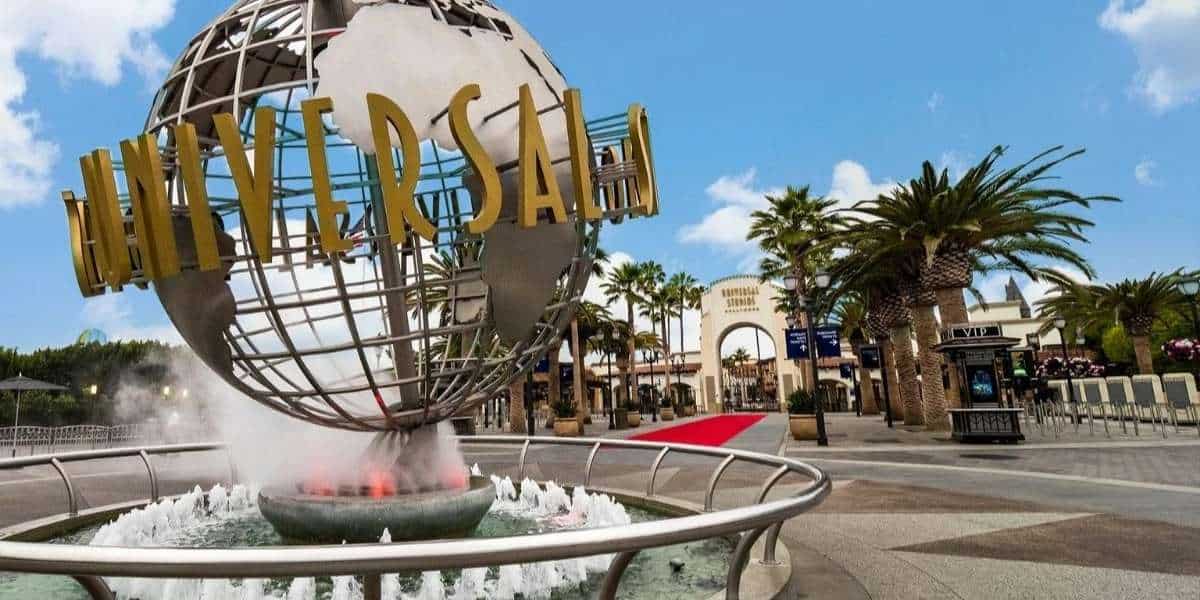
CityWalk isn’t designed solely as an event venue. It’s also a shopping district, restaurant destination, movie theater complex, and primary gateway for countless theme park guests entering and leaving Universal Studios Hollywood.
When attendance surges because of a global sporting event, those different audiences suddenly collide.
Families grabbing dinner, tourists exploring the resort, moviegoers, Annual Passholders, and thousands of soccer supporters all compete for the same space.
What fans may not immediately realize is that guest satisfaction isn’t measured only by those attending the event itself. Every visitor passing through CityWalk becomes part of the overall experience, making crowd management far more complicated than simply accommodating enthusiastic sports fans.
That’s why operational decisions like this often extend well beyond the event they’re affecting.
Fans Are Already Looking Ahead
The timing also stands out because interest in international soccer continues to grow dramatically across the United States.
Large public viewing events have become increasingly common, and destinations like Universal recognize the value of bringing fans together for experiences that go beyond rides and attractions.
That makes this decision feel especially significant.
Rather than adjusting schedules or relocating viewing areas, Universal opted to conclude the parties altogether, signaling that the challenges may have outweighed the benefits for the remainder of the tournament.
Guests hoping to watch upcoming matches at CityWalk will now have to make other plans, while visitors simply looking for a night out may find the district returning to a more familiar pace.

What Happens Next Could Shape Future Events
For longtime theme park fans, this story is about more than a canceled viewing party.
It’s another reminder of how quickly guest experiences can evolve when entertainment destinations attempt to blend major live events with everyday operations.
Universal hasn’t suggested whether similar viewing parties could return for future tournaments or international sporting events. But the reaction surrounding this decision may become part of a much larger conversation about how destinations balance community celebrations with maintaining an enjoyable experience for every guest on property.
As theme parks continue expanding beyond traditional attractions into festivals, concerts, seasonal entertainment, and live sporting experiences, operators will likely face more moments like this. The demand for shared experiences isn’t going away—but neither are guest expectations for comfort, safety, and accessibility. How Universal responds to those competing priorities in the future could shape not only CityWalk’s next major event, but the evolving role entertainment districts play in bringing fans together.