Planning a modern vacation to Walt Disney World Resort requires a fair amount of digital strategy. Between navigating Virtual Queues, booking Lightning Lane passes, and scanning into hotel rooms, your smartphone is essentially your ticket to survival. But at the end of June 2026, a sudden shift in the My Disney Experience app left tech-savvy fans and offsite day visitors facing an unexpected digital wall.

Reports are flooding social media platforms like X (formerly Twitter), suggesting that Disney World may be implementing aggressive new geolocation and profile-tracking measures to block non-resort guests from using the Mobile Order feature at quick-service restaurants inside Deluxe resort hotels.
The appearance of a strict new gatekeeping barrier has ignited a fierce debate online: Is Disney intentionally trying to lock down its premier properties to offsite guests, or is the app just suffering from a spectacular technical glitch?
The New Digital Wall: An Explicit Account Restriction
The controversy ignited when regular theme park visitors and Annual Passholders began sharing screenshots of a blunt new error message within the app’s food and beverage interface.
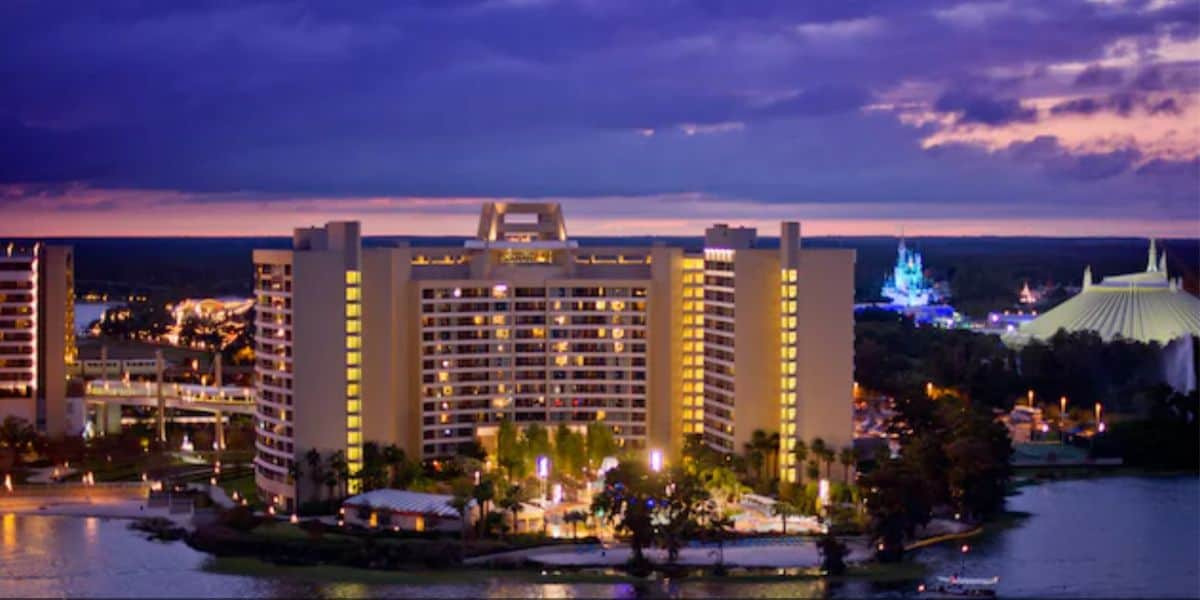
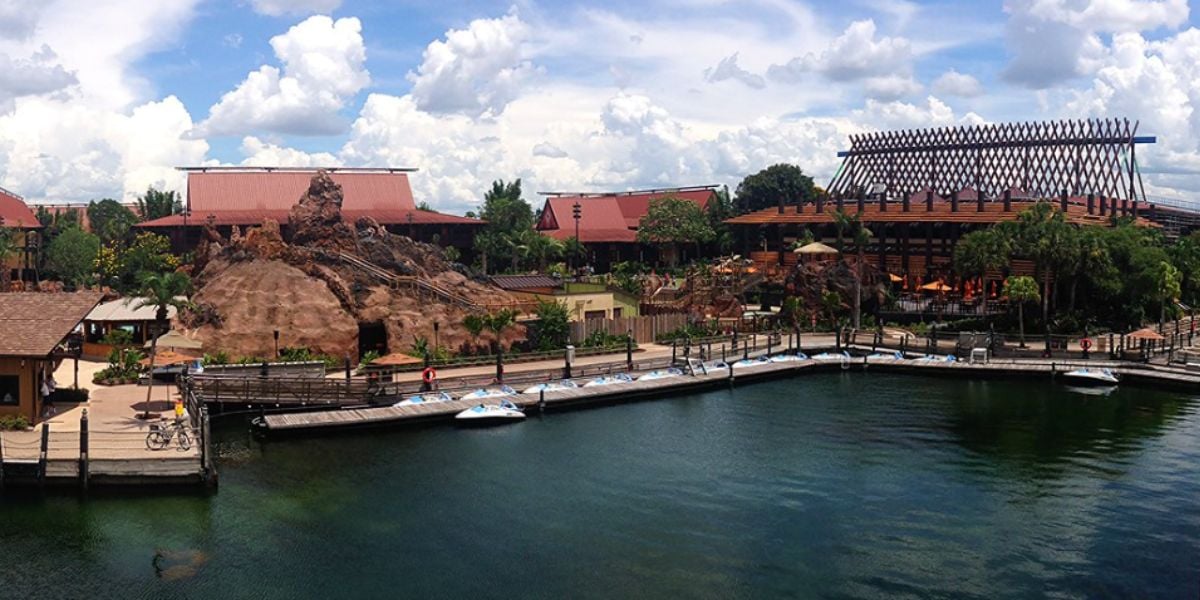
Crucially, the system isn’t just throwing a standard, location-based distance alert like “You are too far away to order.” Instead, when a user attempts to view menus or place a food order at a Monorail loop resort—such as Captain Cook’s at Disney’s Polynesian Village Resort or Contempo Café at Disney’s Contemporary Resort—the app surfaces a highly specific notification.
The pop-up explicitly states that mobile ordering at the venue is “only available to Guests staying at this Disney World Resort Hotel.
This explicit message implies that the application is actively vetting the user’s underlying Disney account profile in real-time, checking for an active hotel reservation link before it even allows them to look at a menu. If you are a day-visitor staying at an offsite hotel or a local resident, the app essentially locks you out of casual dining options along the Monorail loop.
Glitch or Feature? The “Close and Retry” Loophole
While the wording of the error message reads like a deliberate, ironclad corporate policy, the app’s actual execution tells a much messier story. Almost as soon as panic spread across online fan forums, onsite investigators and vacationers began reporting a bizarre, erratic workaround.
According to multiple firsthand accounts, the new digital restriction is incredibly unstable:
- The Error: A guest clicks on a resort’s quick-service restaurant and is met with the screen stating they must be an overnight hotel resident to order.
- The Fix: The guest fully closes the My Disney Experience app, swipes it from their phone’s active background tasks, and reopens it a few moments later.
- The Result: Upon refreshing, the restrictive error message disappears, allowing the offsite guest to place their mobile order without further interference.
This “close and retry” phenomenon strongly indicates that the restriction may be a massive, unpolished technical glitch rather than a flawless rollout of a permanent policy. The My Disney Experience software has historically been notorious for location-service bugs and server communication lag following major updates. Developers are probably testing new backend features to manage holiday crowd flows, and the code is mistakenly misfiring for regular day visitors.
Targeting the Legendary “Resort Parking Hack”
Whether this turns out to be an impending corporate policy change or a temporary software bug, the timing of the app error aligns perfectly with Disney’s ongoing efforts to shut down a decades-old guest workaround known as the “resort parking loophole.”
Standard parking at Magic Kingdom can be a time-consuming ordeal, requiring guests to park at the massive Transportation and Ticket Center (TTC), board a ferryboat or monorail, and navigate central security lines. To bypass the lines and save time, clever day-visitors discovered a shortcut:
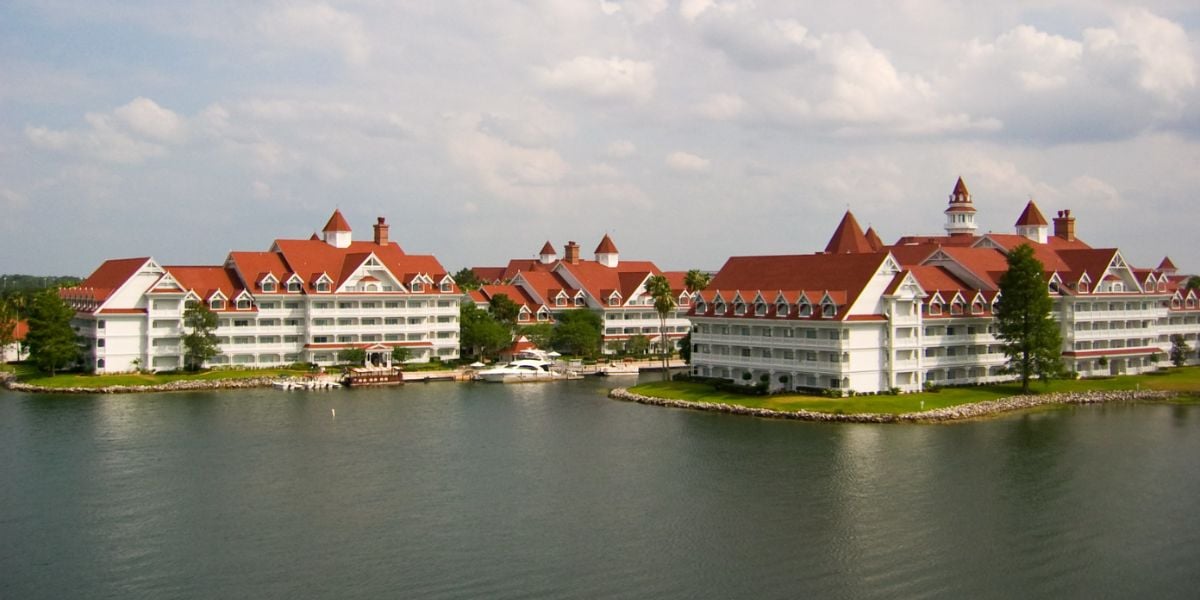
- They would drive straight to a premium Monorail loop resort, such as the Contemporary or the Grand Floridian.
- They would open their app and place a mobile order for a low-cost item, such as a cup of coffee or a pastry, at the resort’s quick-service counter.
- Upon arriving at the security guard shack, they would show the active mobile order confirmation screen to the cast member, who would then lift the gate and grant them up to three hours of free resort parking.

From there, guests would bypass the TTC entirely, stroll directly onto the resort monorail, and glide into the Magic Kingdom. By exploring digital ways to limit mobile food orders strictly to on-property residents, Disney directly removes the primary excuse offsite guests use to gain vehicle access to high-demand parking lots.
Part of a Bigger 2026 Lockdown Strategy
Many seasoned theme park analysts remain convinced that this mobile order restriction is a deliberate policy trial. The app updates rolled out directly alongside controversial transit restrictions implemented across the property over the final weekend of June 2026.

Under those security guidelines, Disney Springs security personnel began verifying that passengers boarding buses or watercraft heading toward deluxe resorts possessed either a valid resort lodging reservation, an Advance Dining Reservation (ADR) for a table-service meal, or a confirmed booking for a specialized recreational experience.
Because casual quick-service spots do not use traditional table-service reservations, they are inherently unable to generate the confirmation codes required to clear physical security checks. By combining transportation filters with targeted mobile order blocks, Disney appears to be testing a seamless digital wall to protect the environments of its highest-paying customers from peak-holiday overcrowding.
The Spontaneity Penalty
Ultimately, the confusion echoing across social media highlights a widening cultural divide between Disney’s corporate efficiency goals and the spontaneous desires of its offsite fan base. If this restriction becomes permanent, it will mean a less flexible vacation environment for everyone.

A family already inside the Magic Kingdom who simply wants to take a peaceful monorail ride over to the Polynesian for a quick-service lunch would no longer be able to maximize their time by ordering their food while waiting in the park’s monorail queue.
They would be forced to travel to the resort first, walk into the building, and cross their fingers that the app updates their location coordinates quickly enough to let them eat. Whether a digital glitch or a sign of things to come, the era of effortless resort hopping faces a highly technical future.