With only days remaining before Toy Story 5 (2026) arrives in theaters, Disney is sending fans a message many probably weren’t expecting.
The latest installment in Pixar’s flagship franchise isn’t just another adventure featuring Woody, Buzz Lightyear, Jessie, and the rest of the gang. According to early reactions and reviews, the film tackles a topic that could leave some younger viewers thinking long after they leave the theater.
That topic is technology.
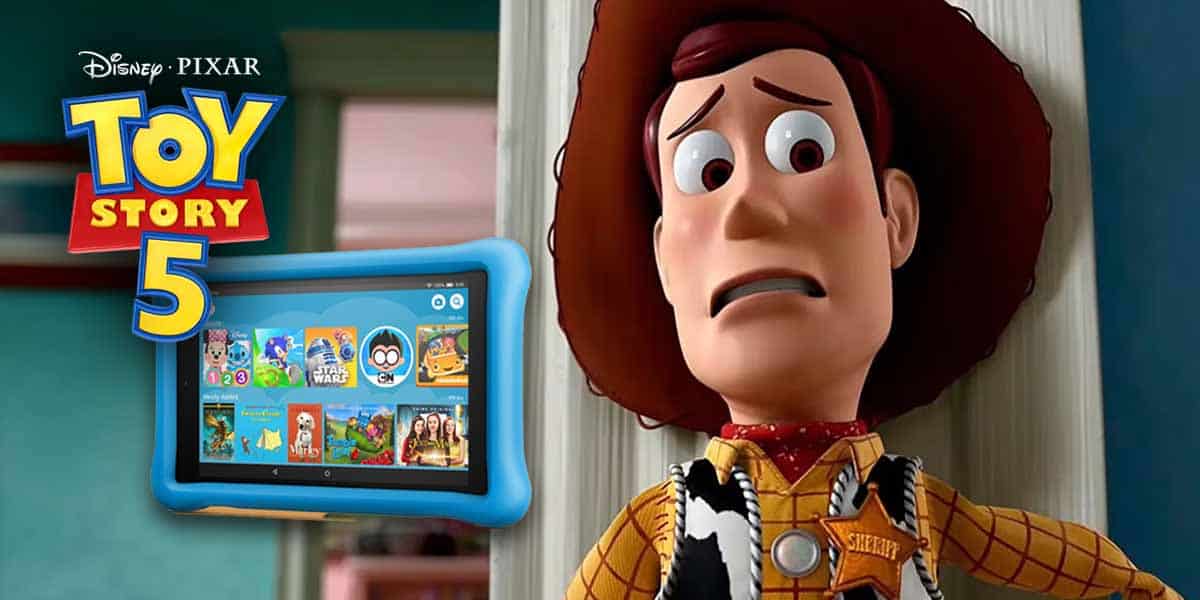
While the Toy Story movies have always explored childhood through the eyes of toys, Toy Story 5 takes a different approach by focusing on how children’s relationships with electronic devices are changing the way they play.
It’s a storyline that feels especially timely in 2026.
A Different Kind of Toy Story Story
Disney has already revealed that the toys find themselves challenged by children’s growing fascination with electronics.
That premise alone marks a significant departure from earlier entries in the franchise.
Instead of escaping danger or finding their way home, the characters are confronting a changing world where digital entertainment increasingly competes for attention.
For many parents, that situation probably sounds familiar.
Children today are growing up surrounded by screens, streaming platforms, social media, gaming systems, and mobile devices. Pixar appears to be using that reality as the emotional foundation of its newest film.
Why Disney Is Talking About It
The studio isn’t suggesting the movie is inappropriate for children.
Rather, Disney appears to be acknowledging that Toy Story 5 explores themes that may feel more serious or personal than audiences expect.
Several early reviews suggest the film actively engages with concerns surrounding technology and modern childhood rather than treating those topics as background details.
That’s part of the reason the movie has generated such strong reactions ahead of release.
At the time of writing, Toy Story 5 has earned a 92% critics score on Rotten Tomatoes. Reviewers have highlighted the film’s willingness to address contemporary concerns while remaining accessible to family audiences.
Pixar’s History of Challenging Audiences
Pixar has never shied away from emotional storytelling.
The studio built its reputation by creating movies that work on multiple levels. Children enjoy the characters and adventure, while adults often connect with deeper themes hidden beneath the surface.
That formula helped make films like Inside Out (2015), Coco (2017), and Soul (2020) major successes.
Toy Story 5 seems positioned to follow a similar path.
The difference is that the movie’s central issue is something children encounter every day.
Rather than introducing an imaginary threat, Pixar is examining a real-world challenge many families already discuss at home.
Returning Favorites Lead the Way
Fans won’t have to worry about losing the franchise’s biggest stars.
Tom Hanks returns as Woody, Tim Allen is back as Buzz Lightyear, and Joan Cusack reprises her role as Jessie. New characters also join the cast as Pixar expands the story’s scope.
The film also features several additional returning characters and voice actors from across the franchise.
That combination of familiar faces and new ideas could help the movie appeal to multiple generations of viewers.
A Conversation Starter for Families
The most interesting aspect of Disney’s warning may be what it says about the film itself.
Studios rarely draw attention to themes that could challenge younger viewers unless those themes play a major role in the story.
In this case, Pixar appears confident enough in its message to embrace the conversation.
Whether audiences agree with the movie’s perspective remains to be seen, but early reviews suggest the studio has created something more ambitious than a standard sequel.
As opening day approaches, one thing is becoming increasingly clear.
Toy Story 5 isn’t simply revisiting familiar characters for another adventure. It is using one of Disney’s most beloved franchises to explore how childhood itself may be changing.
For some families, that discussion could be just as memorable as anything that happens on screen.