
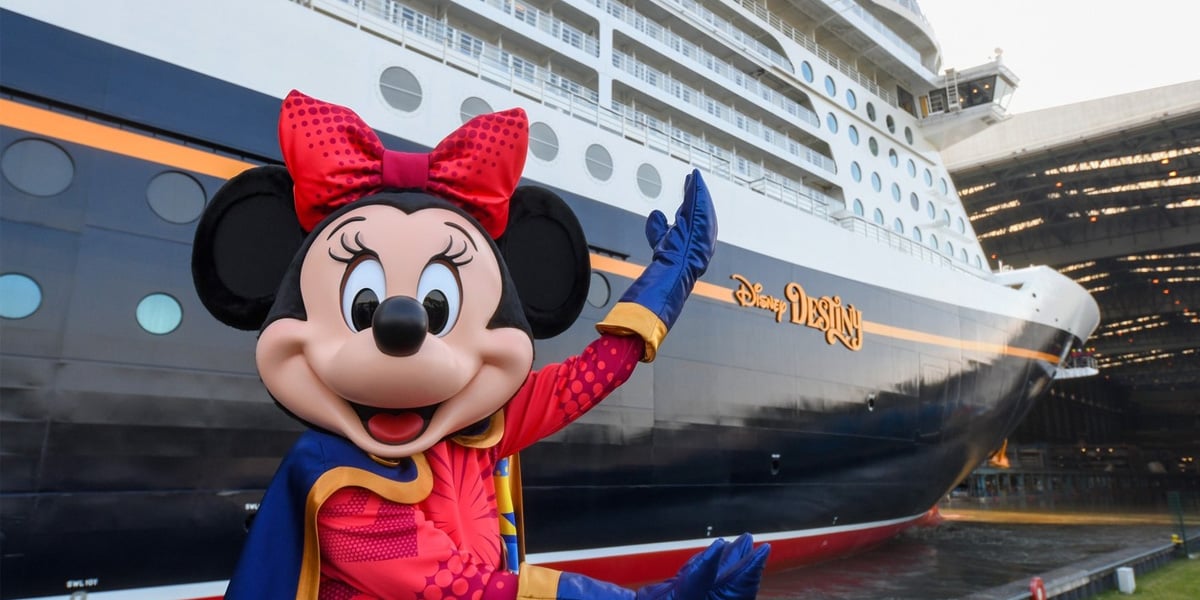
Disney Quietly Tightens Alcohol Rules, and Guests Are Already Reacting
What This Means for Your Dining Experiences

the feeling that a Disney vacation operates a little differently from the rest of the travel industry. The atmosphere feels more relaxed. The details feel more thoughtful. And for repeat cruisers especially, there’s a comfort in knowing exactly how to plan for the experience ahead.
That’s why even relatively small policy adjustments can suddenly become major conversation points inside the Disney Parks and cruise community.
Over the past few years, Disney guests have watched prices climb across nearly every corner of the vacation experience—from park tickets and Lightning Lane access to hotel stays and specialty dining. While loyal travelers have largely continued showing up in massive numbers, fans are becoming increasingly sensitive to changes that impact flexibility, value, and vacation budgeting.
Now, another Disney policy shift is drawing attention ahead of the busy summer cruise season.
Disney Cruise Line Quietly Reduced a Popular Guest Allowance
Starting with sailings departing June 3, Disney Cruise Line is officially reducing the amount of wine guests can bring onboard at the start of their voyage.
Previously, guests 21 and older were permitted to bring two unopened bottles of wine or sparkling wine onboard. Under the updated policy, guests will now be limited to one bottle per person or six beers.
The policy update appears directly on Disney Cruise Line’s official website and applies to embarkation day carry-on luggage only. Alcohol packed inside checked luggage remains prohibited and may be removed without compensation.
Disney’s updated policy now reads:
“Guests 21 years and older… may bring a maximum of one bottle of unopened wine or sparkling wine… or 6 beers…”
At the same time, Disney is lowering its onboard corkage fee from $29 to $20 per bottle for guests who choose to consume their wine inside one of the ship’s dining rooms.
For some guests, that reduced fee may soften the blow. But for many longtime Disney Cruise Line travelers, the larger conversation isn’t necessarily about the corkage cost—it’s about what this change potentially signals.
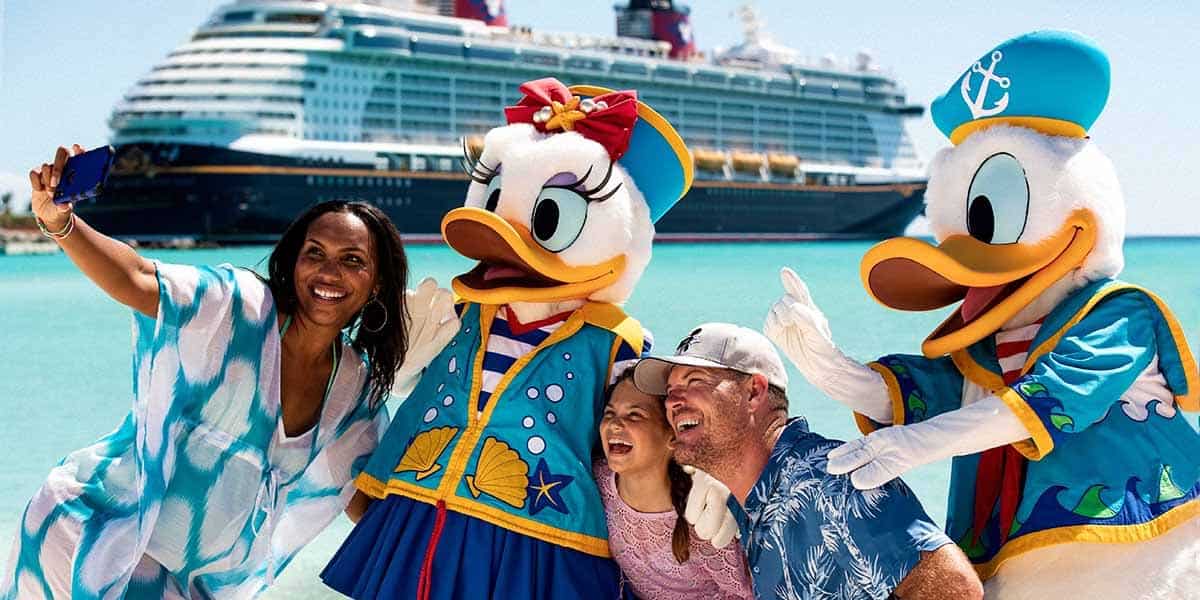
Fans Are Already Questioning What This Means for Cruise Value
Disney Cruise Line has long occupied a unique position in the cruise industry.
The company is widely viewed as one of the more premium mainstream cruise experiences, often commanding significantly higher prices than competitors like Royal Caribbean International or Carnival Cruise Line. Many guests justify those higher costs because of Disney’s service reputation, entertainment offerings, cleanliness, and family-focused atmosphere.
But fans are increasingly noticing smaller policy changes that collectively impact vacation spending.
For guests who regularly brought two bottles onboard to avoid purchasing additional drinks during multi-day sailings, the new rule may now create extra onboard expenses. What was once a manageable vacation strategy for couples or adults traveling in groups could suddenly become noticeably more restrictive.
That matters because Disney cruises are already expensive before guests even step onboard.
Cruise fare, gratuities, specialty dining, excursions, transportation, internet packages, and premium beverage purchases can quickly turn a family vacation into a major financial commitment. Even a seemingly modest alcohol policy adjustment can feel larger within the broader context of rising travel costs.
Fans online are already debating whether this represents a simple operational adjustment or part of a wider tightening of guest flexibility across Disney experiences.

A Bigger Shift May Be Happening Across Disney Vacations
For longtime Disney fans, this feels significant because it fits into a growing pattern many guests believe they’ve been noticing for years.
Disney experiences increasingly prioritize operational control, premium upsells, and spending management. From changes inside the parks to cruise policies and hotel perks, guests are becoming more aware of what’s included, what’s restricted, and what now carries additional costs.
What makes this particular change especially interesting is that Disney simultaneously lowered the corkage fee while reducing the wine allowance.
That combination suggests Disney may be trying to strike a balance between guest satisfaction and onboard beverage revenue. Guests who still choose to bring wine onboard may now feel more encouraged to consume it in Disney’s restaurants due to the lower fee, while the reduced allowance potentially limits how much outside alcohol enters the ship overall.
It’s a subtle shift—but an important one.
Cruise lines make substantial revenue from beverage sales, specialty dining, casinos, and onboard experiences. Disney Cruise Line, despite its family-friendly image, is no exception.

Guests Could Feel the Impact Differently Depending on Cruise Length
The reaction to this change may also vary depending on the type of sailing guests book.
For shorter three- or four-night cruises, the reduced wine allowance may barely register for some travelers. But for guests embarking on weeklong or international itineraries, the change could feel far more noticeable.
Adults celebrating anniversaries, honeymoons, birthdays, or multigenerational family vacations often rely on embarkation-day allowances as part of their budgeting strategy. Some guests intentionally bring wine onboard for private balcony dinners or evening relaxation after long port days.
Now, those vacation habits may need adjusting.
And because Disney’s policy states that excess alcohol must be discarded prior to entry—with no compensation offered—guests will likely need to pay closer attention before arriving at the terminal.

Disney Cruise Line Fans Are Watching What Happens Next
What started as a small policy update is now fueling larger conversations about the future of Disney vacations as a whole.
Disney Cruise Line remains enormously popular, and demand for ships like the Disney Wish and upcoming expansions continues to surge. For many families, the Disney cruise experience still feels unmatched.
But guest perception matters—especially among repeat travelers who notice every operational tweak.
Fans are already asking whether this adjustment will remain isolated or whether additional onboard policy changes could eventually follow. In an era where vacationers are increasingly calculating value with every booking decision, even small changes can shape how guests emotionally connect with the Disney experience.
And as Disney continues expanding its cruise fleet while competition across the industry intensifies, the company may soon discover that guests are paying closer attention to these details than ever before.



Bad behavior takes away freedoms. Thats a reality.
Hope Disney starts reducing alcohol i take in the parks as well.